
Intramuros, the historic heart of Manila, is a center of cultural and historical significance. If you’re looking for things to do in Intramuros, you’re in the right place as we discover some places you shouldn’t miss when you visit this famous attraction in the capital of the Philippines.
When translated, it means “within the walls.” Intramuros is a fortified area packed with charming streets, museums, and historical landmarks that tell the story of the Philippines’ colonial past. Discover what stories this stronghold keeps within its walls and experience what hundreds of years of history could show.
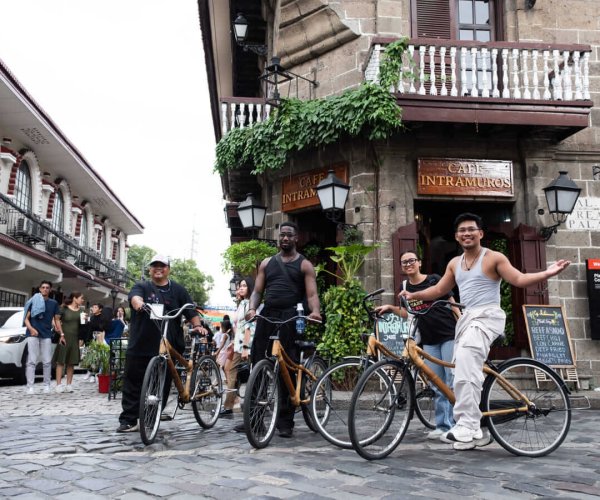
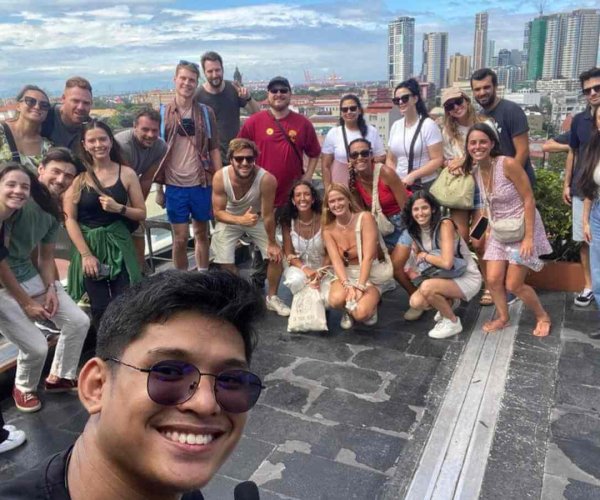
For a more comfortable visit, you can book this half-day FREE Intramuros tour and see the highlights of Intramuros; however, if you’re looking for a more fun way to experience the capital of the Philippines, this full-day Manila city tour also includes a bamboo bike ride around Intramuros, a food tour around Quiapo and Binondo Chinatown, and an opportunity to experience the city like a local.
Let’s dive into this travel guide and discover some of the best things to do in Intramuros!
Fort Santiago and Rizal Shrine
Start your adventure at Fort Santiago, a 16th-century citadel that played a vital role in Philippine history. Originally built to protect the city from invasions, it has a rich history that includes serving as a prison for many Filipino revolutionaries, including José Rizal. Walking through the fort, you’ll encounter impressive stone walls and cannons that once defended the area.
Inside Fort Santiago is the Rizal Shrine, dedicated to the national hero José Rizal. The shrine features a collection of Rizal’s personal belongings, manuscripts, and photographs that chronicle his life and contributions to Philippine independence. Take your time exploring the exhibits that provide insights into his thoughts and writings.
Plaza Roma
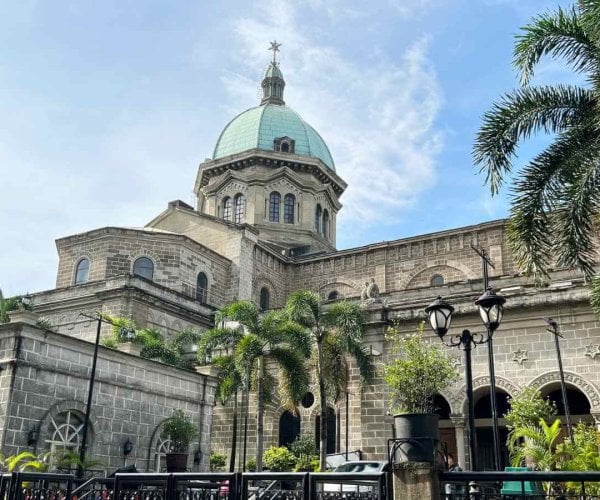
Next, head to Plaza Roma, a beautiful public square surrounded by stunning architecture. This plaza is a historical site in its own right. It is historically significant as it was once the center of political and social life during the Spanish colonial period. Here, you’ll find:
- Manila Cathedral: An architectural marvel with its neo-Romanesque style. Step inside to admire its intricately designed stained glass windows and elaborate altars. The cathedral has been rebuilt several times due to earthquakes and wars. Still, it remains a symbol of faith for many Filipinos and is culturally important to the local’s heritage and resilience.
- Ayuntamiento de Manila: This building served as the seat of government during Spanish rule. Today, it houses the offices of the Bureau of the Treasury. Although destroyed in WW2 and later reconstructed, this grand structure is an excellent example of colonial architecture.
- Palacio del Gobernador: Once the residence of the Governor-General, this building showcases impressive colonial design elements. Although it’s not open to the public for tours, you can appreciate its historical importance and capture beautiful photos from the outside.
 olonial architecture.
Fort Santiago
Casa Manila
Visiting Casa Manila is essential for anyone interested in life during the Spanish colonial period. This museum showcases period furniture, clothing, and decor that reflects the affluent lifestyle of the upper class in the 19th century. Wander through elegantly furnished rooms and courtyards that evoke the charm of old Manila. The museum also hosts cultural performances and workshops that allow visitors to engage with Philippine heritage.
Bahay Tsinoy
For a unique perspective on Manila’s history, visit Bahay Tsinoy, which focuses on the contributions of Chinese Filipinos to the country’s development. The exhibits highlight their cultural heritage and significant role throughout history, including their impact on trade and commerce in the Philippines. Exploring the museum, you’ll learn about their struggles and achievements through artifacts, photographs, and multimedia presentations.
San Agustin Church and Museum
San Agustin Church is one of the oldest stone churches in the Philippines, a UNESCO World Heritage Site, and a must-see attraction. Marvel at its stunning Baroque architecture characterized by ornate carvings and intricate ceiling frescoes and admire its grand altar adorned with gold accents from the inside.
Adjacent to the church is the San Agustin Museum, which features a collection of religious artifacts, vestments, and artworks from different periods in Philippine history. The museum offers insights into the evolution of Catholicism in the country and showcases important pieces from centuries past.
Museo de Intramuros
If you’re curious about local history, head to the Museo de Intramuros. This museum exhibits Manila’s history, culture, and heritage. From artifacts dating back to pre-colonial times to displays about key events during the Spanish era, it’s a fantastic way to deepen your understanding of what to do in Intramuros. There are interactive displays that make learning fun for visitors of all ages.
Plaza Mexico
Take a break at Plaza Mexico, a serene spot surrounded by beautiful architecture. This plaza commemorates the cultural ties between the Philippines and Mexico (Manila-Acapulco galleon trade) during colonial times when trade flourished between these two nations. Enjoy a leisure stroll through the plaza or enjoy the view while relaxing on benches under the shade.
Plazuela de Santa Isabel
Another lovely area to explore is Plazuela de Santa Isabel. This quaint plaza is perfect for taking pictures and enjoying a moment of tranquility amidst your exploration. The surrounding trees and gardens provide a refreshing atmosphere, making it an ideal spot for a quick rest or conversation with fellow travelers.
Puerta de San Lucia
As you wander through Intramuros, make sure to stop by Puerta de San Lucia, one of the city’s original gates. It’s a great spot for snapping pictures while learning about Manila’s fortifications. The gate is adorned with historical markers that provide context about its significance during colonial times.
Rizal’s Bagumbayan Light and Sound Museum
For a unique experience, visit the Light and Sound Museum. This interactive attraction brings to life the legacy of José Rizal, the Philippines’ national hero. Through captivating light displays, sound effects, and multimedia presentations, the museum brings to life key events in Rizal’s life and the broader history of Philippine independence.
Visitors can immerse themselves in the rich narrative of Rizal’s contributions to nationalism and learn about the significant moments that shaped the nation. This engaging experience uniquely appreciates Philippine history while honoring its most iconic figure.
Baluarte de San Diego and Puerta Real
Don’t miss Baluarte de San Diego, which features a historical structure that was once part of the original fortifications built by the Spanish design to avoid possible invasions. Today, it serves as a peaceful park where you can stroll through while learning about its historical importance from informative displays.
The nearby Puerta Real gate adds charm with its picturesque surroundings. It once served as one of the main entrances to Intramuros, making it an excellent spot for capturing beautiful photos.
Baluarte de San Andres
Another historical bastion worth visiting is Baluarte de San Andres. It provides insights into how Intramuros was defended against potential threats throughout history. The area offers impressive views of nearby structures and gives you an idea of how extensive the fortifications were.
Puerta del Parian
Take a moment to visit Puerta del Parian, the main entrance for Chinese traders during the Spanish colonial era. This gate symbolizes Manila’s multicultural past and trade relationships that flourished in that period. It’s an interesting historical piece highlighting how diverse influences shaped modern Philippine society.
Puerta de San Isabela II
Finally, check out Puerta de San Isabela II, another of Intramuros’ ancient gates. Like Puerta del Parian, it represents Manila’s rich trading history and serves as a reminder of Intramuros’s strategic importance. It allowed for the movement of goods and people while contributing to the fortifications that protected the city throughout its history.
Explore the restaurant scene around the area
Touring Intramuros can build up an appetite, so while there, why not try some notable restaurants around the area that locals love. Here are some of our suggestions:
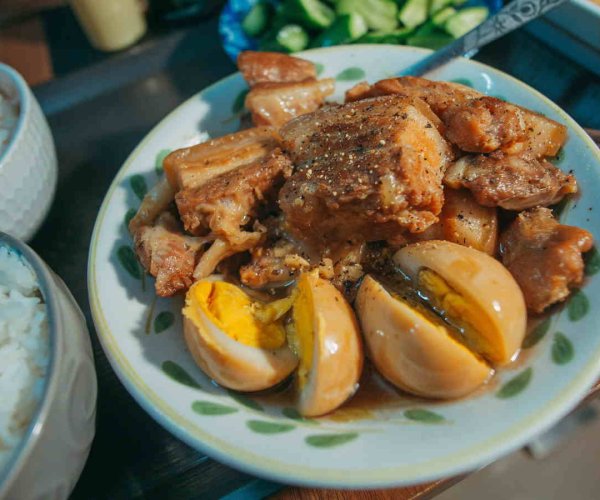
- Barbara’s Heritage Restaurant offers traditional Filipino cuisine with cultural performances in a charming, historical setting. You can also participate in their interactive dance performances and try the local traditional dance called Tinikling (to build your appetite even more).
- Ristorante Delle Mitre features a cozy ambiance and a diverse menu blending Filipino, Spanish, and other Asian dishes. The restaurant’s menu refers to priests, bishops, and other prominent people in the Catholic Church, which is iconic as the restaurant is located next to St. Augustine Church!
- 9 Spoons serves modern Filipino cuisine in a stylish, relaxed atmosphere. It offers stunning views of Intramuros and the Manila skyline.
- Bambu Intramuros focuses on Filipino comfort food and prides itself on its culinary\ artistry. Located in the heart of Manila’s historic district, this restaurant is perfect for unwinding after exploring the area.
- Ilustrado Restaurant combines classic Filipino dishes with Spanish cuisine in a modern, elegant setting that celebrates the country’s heritage.
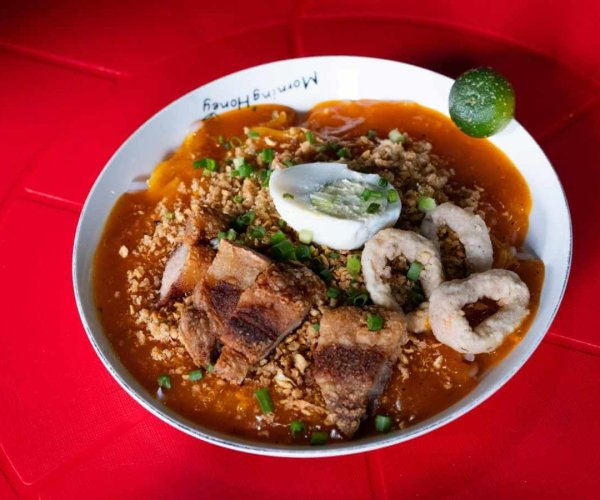
- For a cheaper option, head over to Binondo or book this tour, which includes exploring Intramuros, Manila, and a guided food-tasting tour!
When is the Best Time to Visit Intramuros?
The best time to visit Intramuros is from December to May in the dry season. This period offers pleasant weather, making exploring all outdoor attractions and sites easier without worrying about rain.

Best Ways to Get to Intramuros
Getting to Intramuros is quite convenient:
- By Taxi: This is a straightforward option if you prefer comfort, but it could be expensive due to Manila’s infamous traffic.
- By Grab: Convenient for booking rides through an app, it could be cheaper than a taxi.
- By Local Transport: Jeepneys are also available for a local experience, but you may need to do some research on how to get there!
Best Ways to Get Around Intramuros
Once you’re in Intramuros, there are several fun ways to explore:
- Rent an E-Bike: A great option for covering more ground quickly.
- By Calesa: Experience a traditional horse-drawn carriage ride.
- By Bamboo Bike: Enjoy a unique biking experience while being eco-friendly.
- By Walking: Many attractions are within walking distance; strolling allows you to take in all the sights at your own pace.
For a full guide on transportation in the Philippines >>
With so many things to do in Intramuros, your visit will surely be filled with cultural discoveries and memorable experiences! Whether you’re interested in history and architecture or just soaking up the atmosphere of old town Manila, this guide covers where to go in Intramuros.























 The selected tours will be reserved for you for 30 minutes. If you do not complete the reservation, after 30 minutes, the tours will be released for purchase by others.