
Beyond the postcard-perfect sunsets and mouthwatering food, there’s a quirkier, deeper side to the Philippines that most first-time visitors don’t expect. We’re talking about vibrant rides that double as public art, Christmas celebrations that start in September, and a language style where two tongues casually dance in a single sentence.
These 10 facts about the Philippines will help you understand and enjoy the little things locals don’t always explain, but they’ll definitely smile when you notice. Keep your eyes open, your heart curious, and your taste buds ready.
10 Facts You Didn’t Know About the Philippines
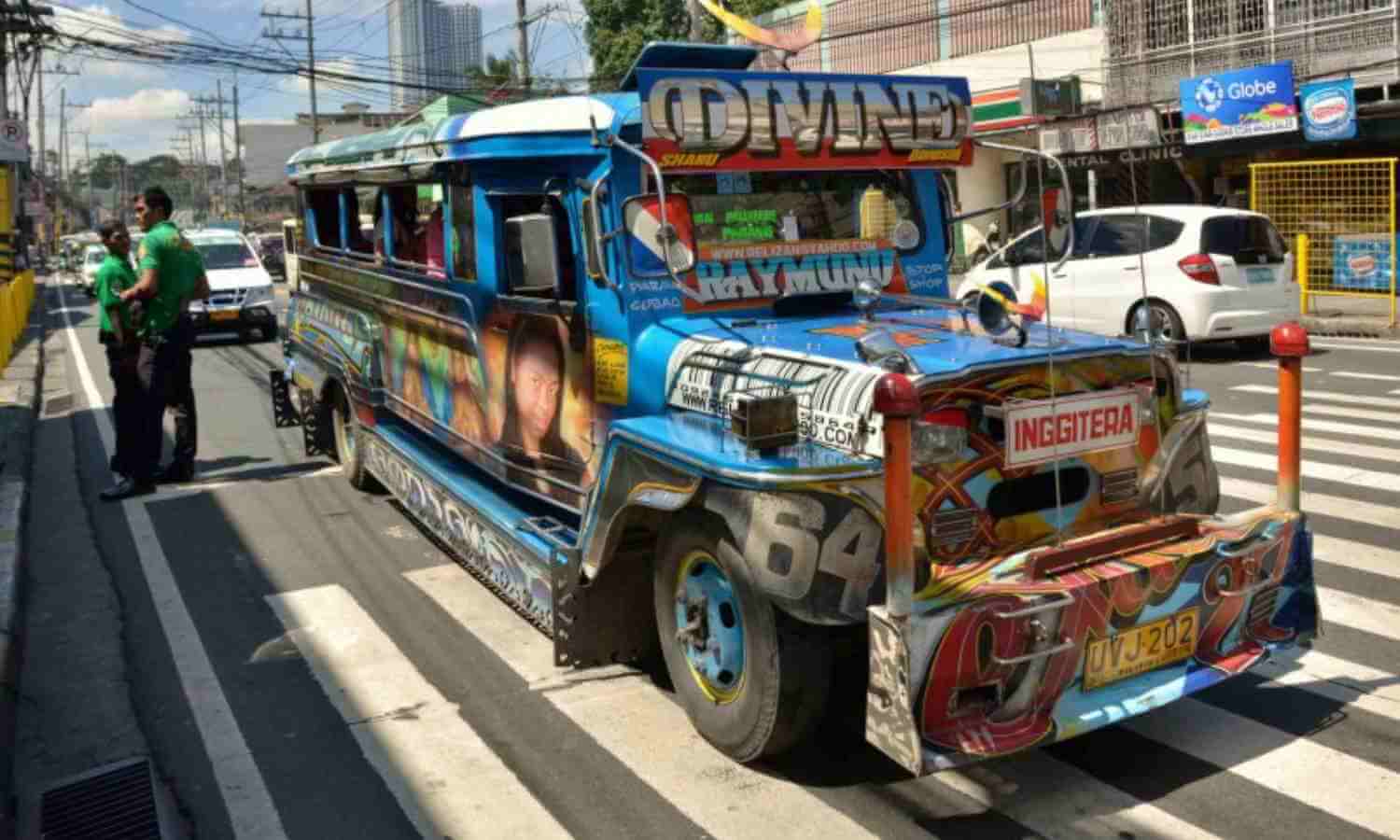
1. Jeepneys Turn Every Commute Into a Moving Street Festival
Forget sterile subways and bland buses. In the Philippines, your ride is part of the adventure. Jeepneys – long, open-air vehicles made from surplus U.S. military jeeps – have been transformed into flamboyant, mobile masterpieces. They’re hand-painted in bright, clashing colors, plastered with religious slogans, family portraits, and pop culture icons.
Inside, you’ll squeeze into bench-style seats, pass your fare forward to the driver through a human chain of passengers, and enjoy a breeze as you zoom through the city or countryside. Every jeepney has its own name, character, and driver-curated soundtrack. It’s cheap, it’s lively, and it’s uniquely Filipino.
Pro tip: Learn to say “para po!” (Please stop!) to get off at your destination like a local. There are no designated jeepney stops, you can literally stop anywhere close to your destination! And if you want to ride one and found one that goes to where you want to me, just wave at one and it will stop.
Check Bookaway for cheapest transportation solutions in the Philippines >>
2. Balut Will Challenge Your Taste Buds and Your Limits
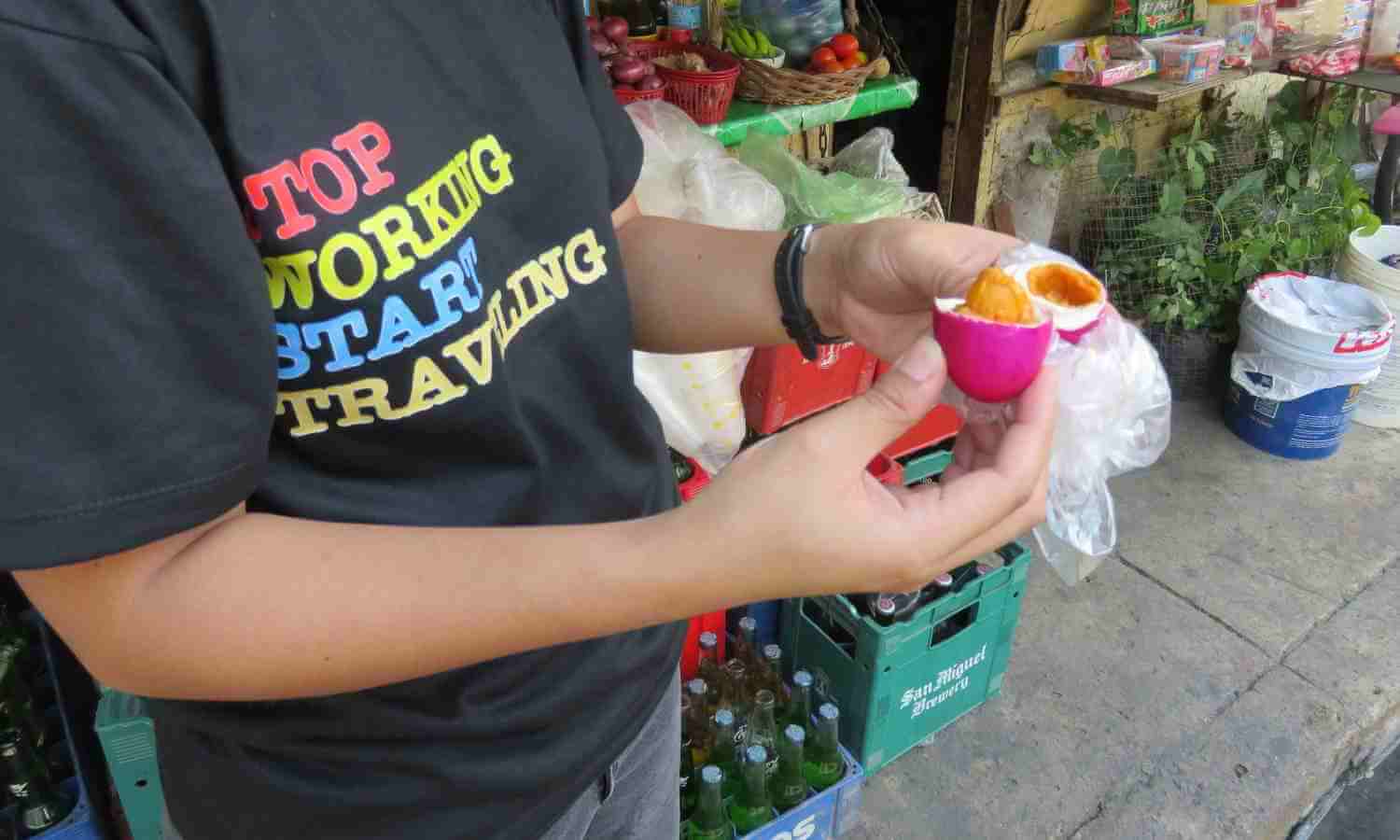
So you’ve been offered balut. Deep breath – it’s more than just food. Balut is a fertilized duck egg containing a partially developed embryo, usually eaten warm from the shell with a sprinkle of salt or vinegar. For many Filipinos, it’s comfort food; for many visitors, it’s a wild culinary adventure.
Despite its reputation, balut is rich, flavorful, and surprisingly delicious once you get past the mental hurdle. Locals swear by its health benefits and even say it’s an aphrodisiac. It’s often sold by street vendors in the evening, announced by the unmistakable call: “Baluuuuut!”
If you try it, you’ve officially leveled up. If you pass, don’t worry – you can still earn street cred with a plate of crispy lumpia or grilled isaw (chicken intestines). It’s all part of the flavor tour.
4. Banana Ketchup Is the Filipino Condiment You Never Knew You Needed
When your fries arrive in the Philippines, what you dip in might surprise you. Bright red and sweet, banana ketchup is a homegrown Filipino classic. Invented during World War II when tomatoes were scarce, it’s made from mashed bananas, sugar, vinegar, and spices, then dyed red to look familiar.
Today, banana ketchup is everywhere: on hot dogs, fried chicken, omelets, and even spaghetti (yes, Filipino spaghetti is sweet and has hot dogs in it). The flavor? Think tomato ketchup with a tropical, slightly fruity twist.
You’ll either get hooked on it fast or be completely confused by it. Either way, you’ll never forget your first taste.
5. Karaoke Isn’t Just a Pastime – It’s a National Obsession
You haven’t truly been to the Philippines until someone hands you a karaoke mic and expects you to sing your heart out. Karaoke isn’t just entertainment here – it’s a way of life, a form of expression, and low-key community therapy rolled into one.
You’ll hear karaoke echoing from neighborhood sari-sari stores, beach resorts, birthdays, fiestas, and sometimes even from boats. Whether you’re in tune or off-key doesn’t matter – what matters is you sing with feeling.
It’s also a family thing. Don’t be surprised if grandma belts out a Celine Dion hit right after a toddler’s performance of “Baby Shark.” In the Philippines, everyone’s a star.
6. Bayanihan Means Carrying More Than Just Each Other’s Burdens
Bayanihan is one of the most beautiful concepts in Filipino culture. It refers to the communal spirit of helping one another. Still, in its most literal (and historical) sense, it means villagers gathering to carry an entire house from one location to another – yes, a real house.
Traditionally done with lightweight nipa huts, bayanihan is more symbolic today. Still, its spirit lives on in everyday acts, like neighbors cooking for one another, strangers helping you find your way, or communities rallying around those in need after typhoons or floods.
It’s one reason people often say Filipinos are among the warmest, most helpful people in the world. You’ll feel that from the moment you arrive.
7. Taglish Is the Freestyle Language You’ll Hear Everywhere
You’ll notice something fascinating about the way people talk in the Philippines. One moment it’s English, the next it’s Tagalog, and then suddenly it’s both – all in one sentence. That’s Taglish, and it’s not a mistake. It’s intentional, fluent, and beautifully fluid.
Taglish isn’t a mix – it’s a mode of communication that reflects modern Filipino life. You’ll hear it in malls, classrooms, offices, and online. A typical sentence might sound like: “Nag-commute ako kanina tapos super late na talaga ako, grabe.”
Don’t worry, you’ll start picking it up just by listening. And locals will love it if you confidently throw in a few Tagalog words (even if you butcher the grammar – no one will judge).
8. Lip-Pointing Is a Real Directional Tool, Not a Quirk
When you ask where the nearest ATM is, instead of using a hand, someone subtly points with their lips. Welcome to lip-pointing, a totally normal and widely used way of indicating direction in the Philippines
It’s discreet, efficient, and surprisingly accurate once you get used to it. A quick chin raise, a little pout in a direction – that’s it. Fingers stay down, and the conversation moves on.
It might feel strange at first, but by the end of your trip, don’t be surprised if you catch yourself doing it too. It’s one of those small, charming behaviors you only learn by being immersed in the culture.
10 things to do in Intramuros, Manila >>
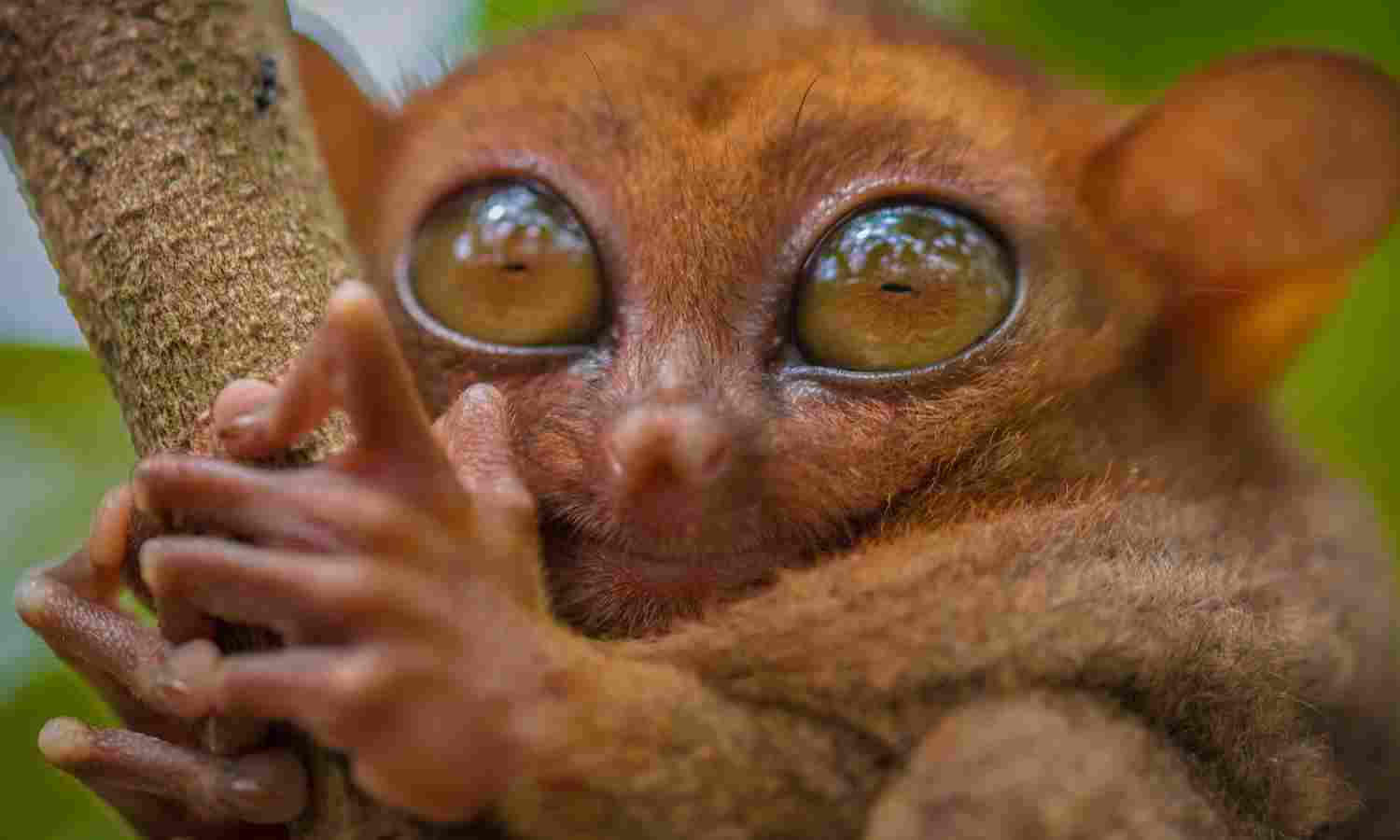
2. Tarsiers Are Protected Tiny Creatures With Giant Eyes and Giant Rules
One of the most enchanting animals you’ll encounter in the Philippines is the tarsier – a tiny, nocturnal primate found in places like Bohol and parts of Mindanao. They’re known for their gigantic eyes and soft, fuzzy appearance – but seeing one in person is a privilege that comes with strict boundaries.
Tarsiers are incredibly sensitive. Loud noises, touching, and flash photography can cause extreme stress, so sanctuaries enforce serious “do not touch, do not flash” rules. Many tarsiers have died from trauma in the past due to over-tourism, so today’s protected areas are designed to keep them safe and undisturbed.
So yes, you can see them, but always keep your voice down, respect barriers, and never use your camera flash. You’re in their home, not the other way around.
You can learn more about the Tarsiers on our Bohol Countryside Tour >>
9. Christmas Starts in September and Lasts Through January
If you’re visiting anytime between September and January, you’re walking straight into the world’s longest Christmas celebration. As soon as the Ber months (September, October, etc.) begin, malls start blasting carols, twinkle lights go up, and festive spirit takes over.
Expect dazzling lanterns called parols, all-night masses (Simbang Gabi), gift exchanges, and massive family feasts. It’s a celebration of joy, hope, and over-the-top decor – and it’s deeply rooted in Filipino Catholic tradition.
By December, you’ll already feel like it’s Christmas Day. It’s extra, joyful, and absolutely infectious.
10. Catholicism Isn’t Just a Religion – It’s Woven Into Daily Life
With over 80% of the population identifying as Roman Catholic, faith isn’t just practiced in the Philippines – it’s lived, breathed, and celebrated in public. Religion shows up on jeepney dashboards, in sidewalk shrines, and during street processions that stop traffic in the middle of town.
Attending Sunday Mass is the norm, but it doesn’t stop there. People make the sign of the cross before takeoff on airplanes. Holy Week becomes a country-wide pause for reflection. And massive church weddings aren’t just events – they’re full productions.
You don’t need to be Catholic to appreciate the devotion, beauty, and cultural depth this brings to everyday life in the Philippines. It’s all around you – from the songs to the symbols to the spirit.
Bonus fact: Philippines is the only Catholic nation in Asia!

Final Thoughts
You came for the islands and the beaches, but now you know there’s a lot more under the surface. These facts about the Philippines are just the beginning of what makes this country such a fascinating, fun, and culturally rich destination. It’s vibrant, soulful, a little chaotic – but always unforgettable.
So go ahead, ride that jeepney, sing that karaoke duet, and respect the tarsiers’ nap schedule. By the time your trip ends, you won’t just have memories – you’ll have stories that sound too strange to be true. Yet, they absolutely are.















 The selected tours will be reserved for you for 30 minutes. If you do not complete the reservation, after 30 minutes, the tours will be released for purchase by others.