


 TEL AVIV
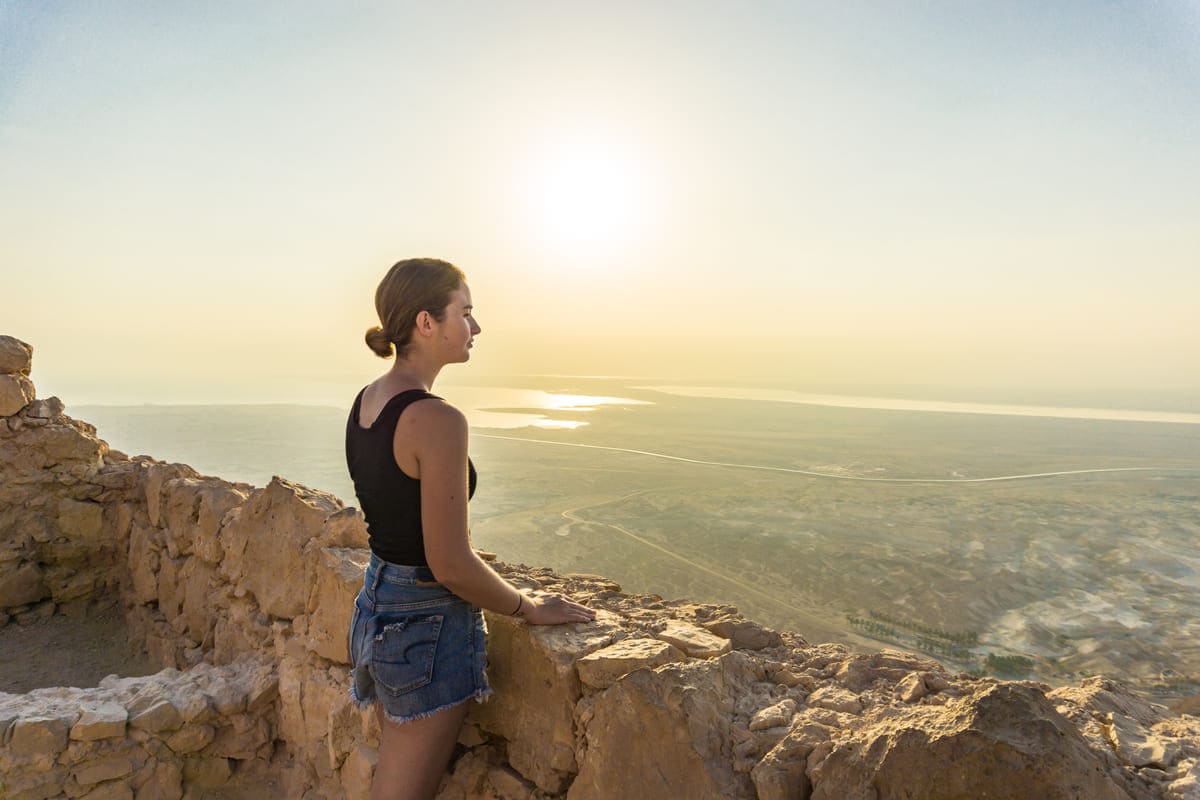





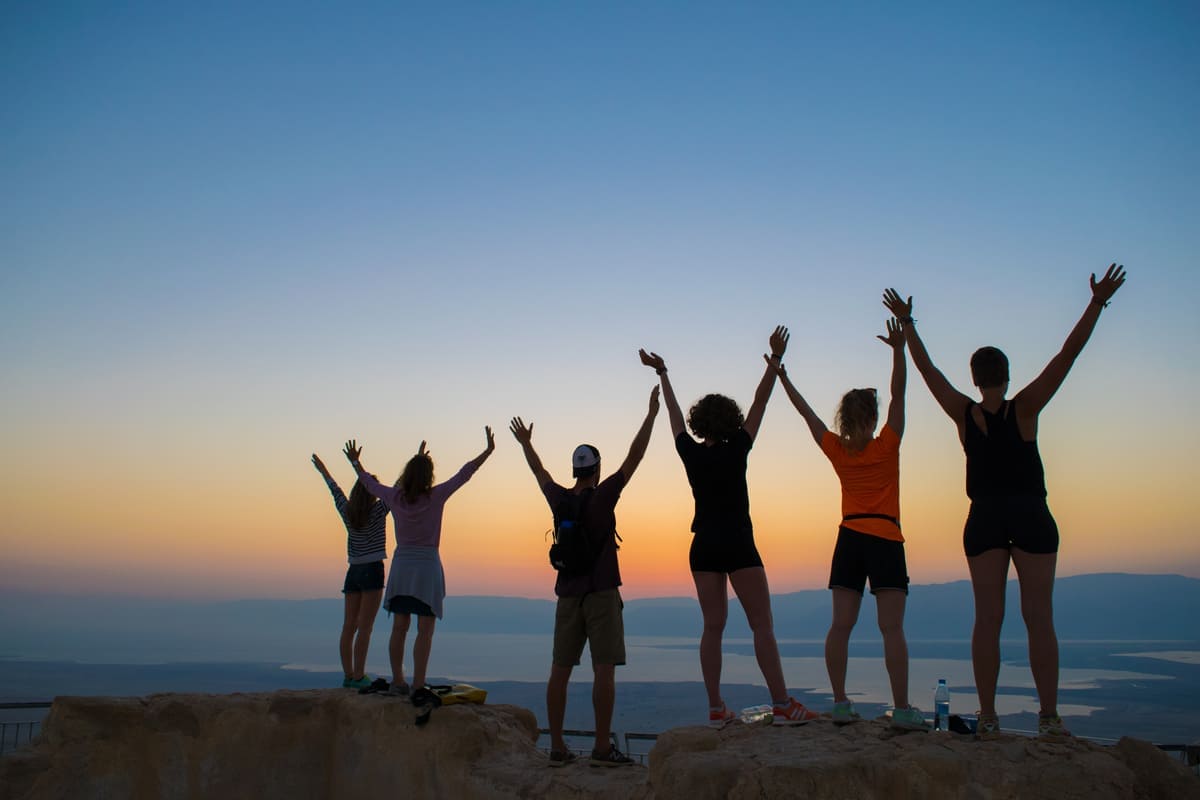



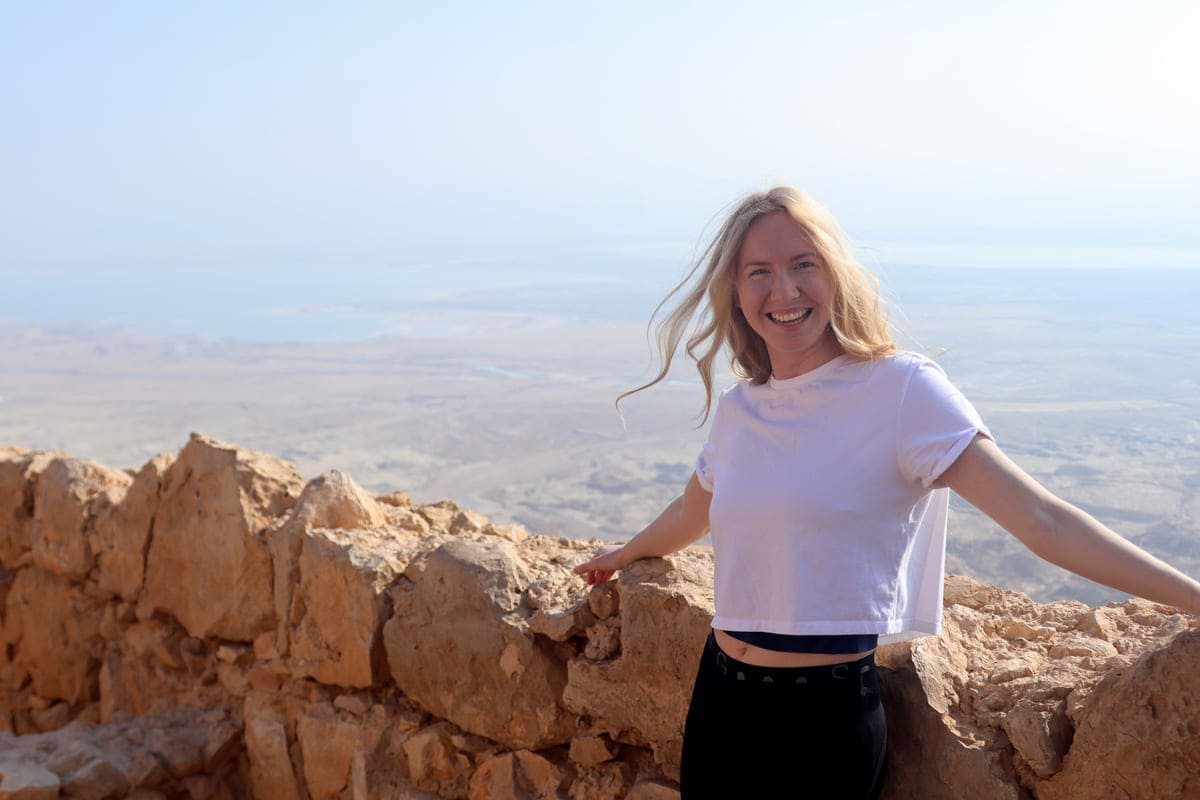
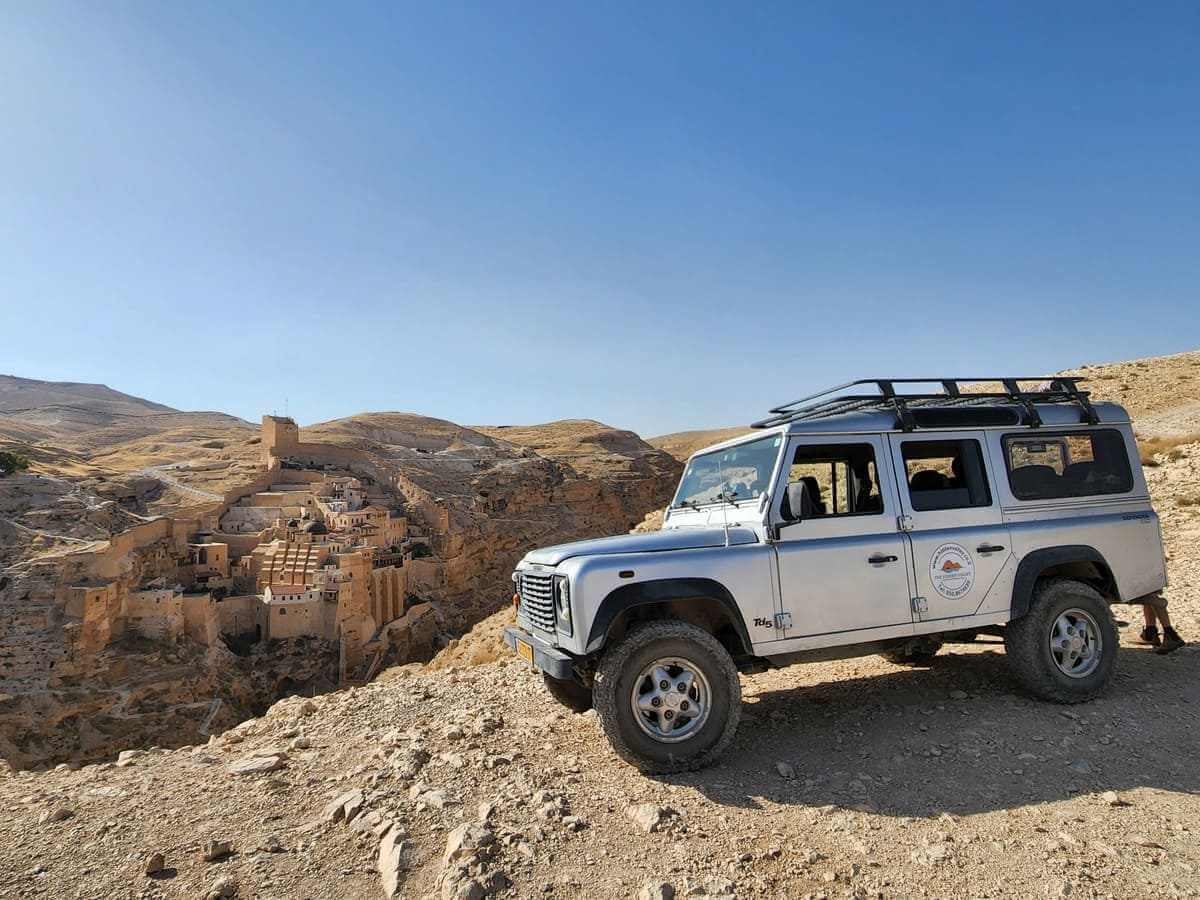
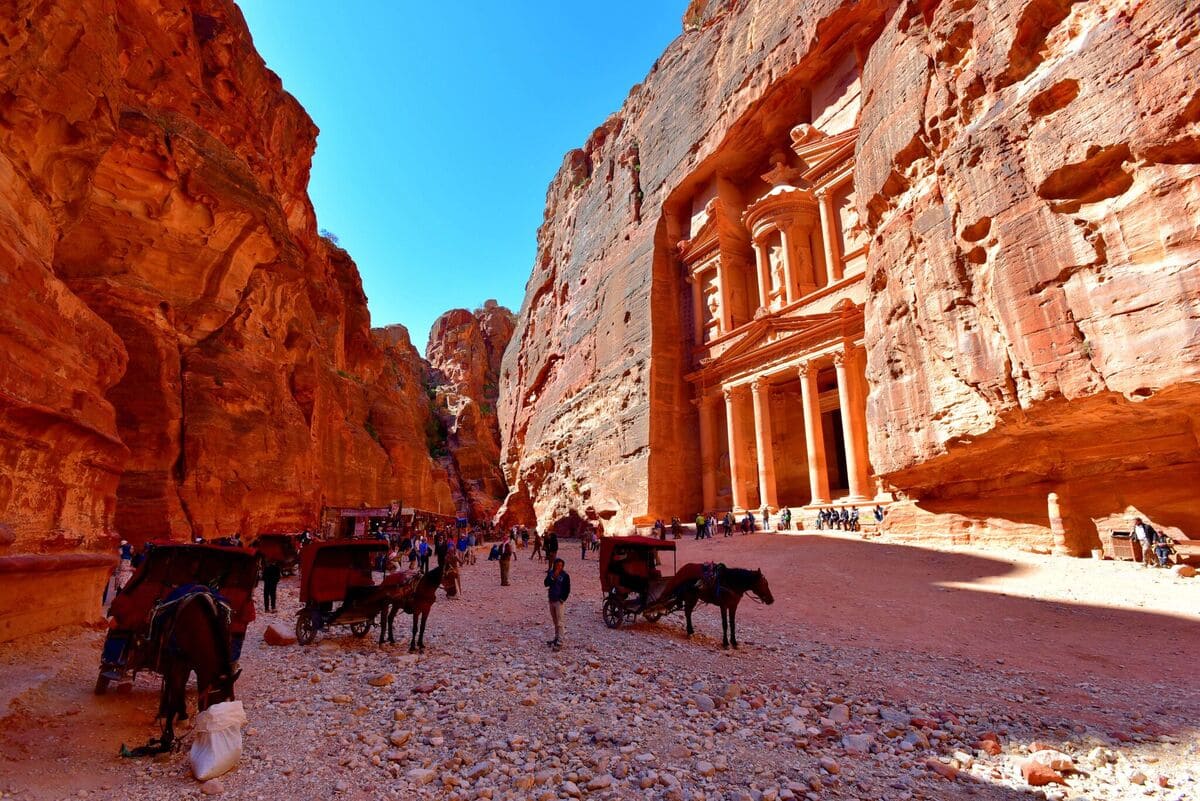
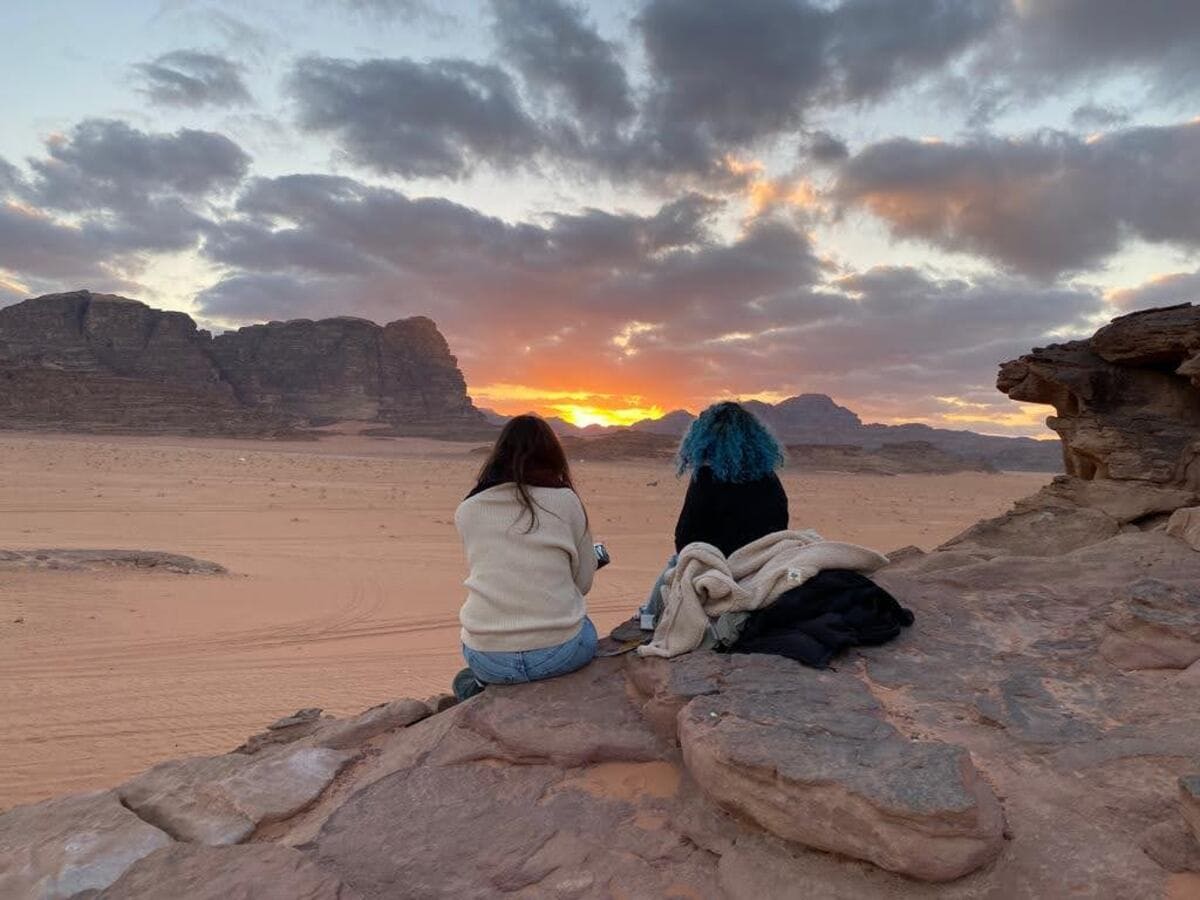
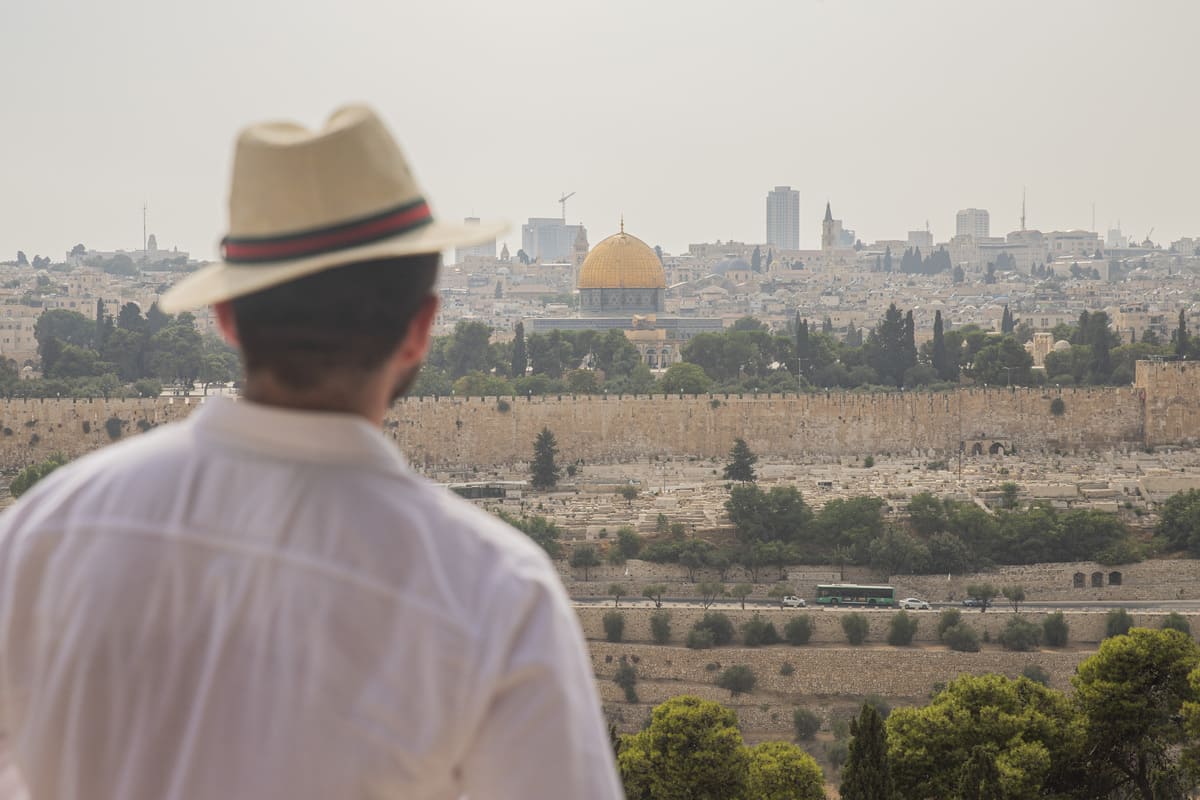


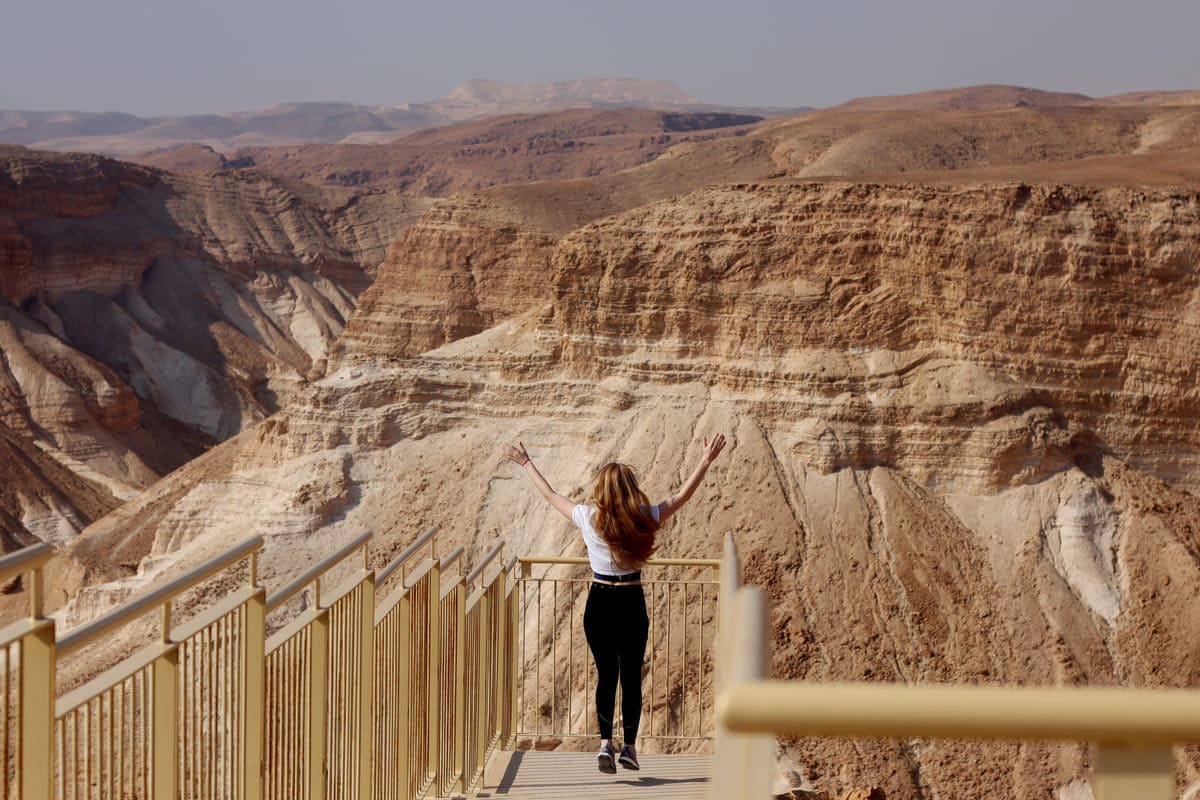
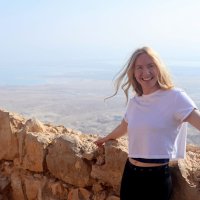
Masada stands on an isolated plateau near the Dead Sea. Its location made it easy to defend and difficult to attack, which is one of the main reasons it became such an important fortress. Today, visitors can still see the remains of palaces, storerooms, bathhouses, walls, water systems, and Roman siege camps.
Early History
Masada was first fortified during the Hasmonean period, but it became much larger and more developed under King Herod the Great in the first century BCE. Herod ruled Judea under Roman influence and built several major construction projects across the region. Herod chose Masada because of its remote location and strong natural defenses. The steep cliffs around the mountain made it difficult for enemies to reach the top. On the plateau, Herod built a large fortified complex that included palaces, defensive walls, bathhouses, storage rooms, and water cisterns.
The water system was one of the most important parts of the site. Although it’s located in the desert, the builders created large cisterns that collected and stored floodwater from the surrounding area. This allowed people to live on the mountain for long periods, even in dry conditions.
What Visitors Can See at Masada Today
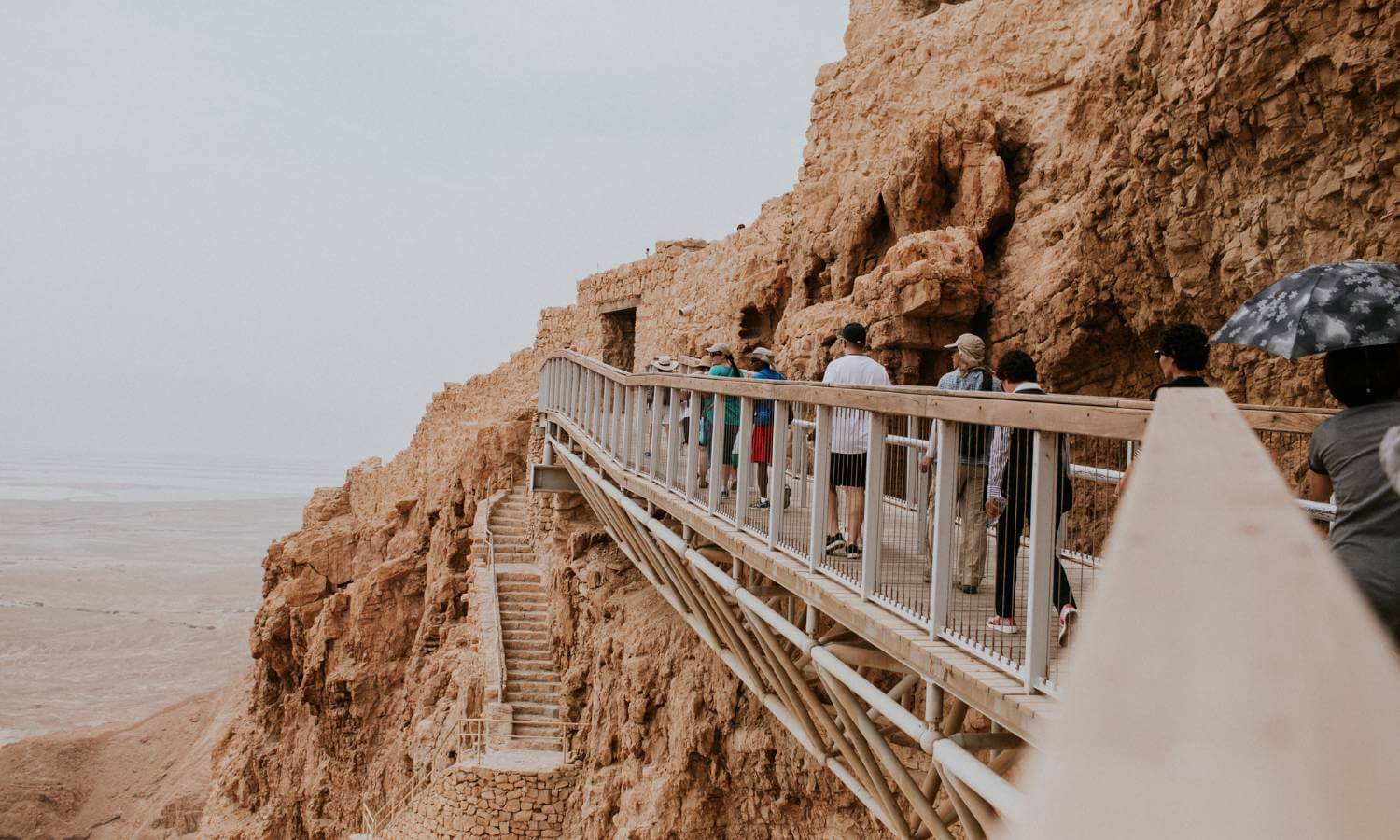
Today, Masada is an archaeological site where visitors can walk through the remains of the ancient fortress. One of the most important areas is the Northern Palace, built by Herod on several levels along the edge of the cliff. The palace shows the scale and ambition of Herod’s construction at the site.
Visitors can also see the Western Palace, ancient storerooms, a bathhouse, defensive walls, and the remains of a synagogue. These areas help explain how Masada functioned as both a palace complex and a fortified refuge.
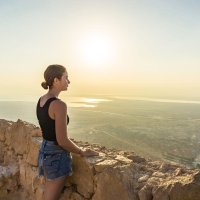
The Roman siege remains are also an important part of the visit. From the top of Masada, it is possible to see the outlines of Roman camps below the mountain. These remains give visitors a clearer understanding of the Roman military operation and the final stage of the siege.
Book a tour with Abraham Tlalim Tours to enjoy the best of Masada >>

Visiting Masada as Part of a Travel Route
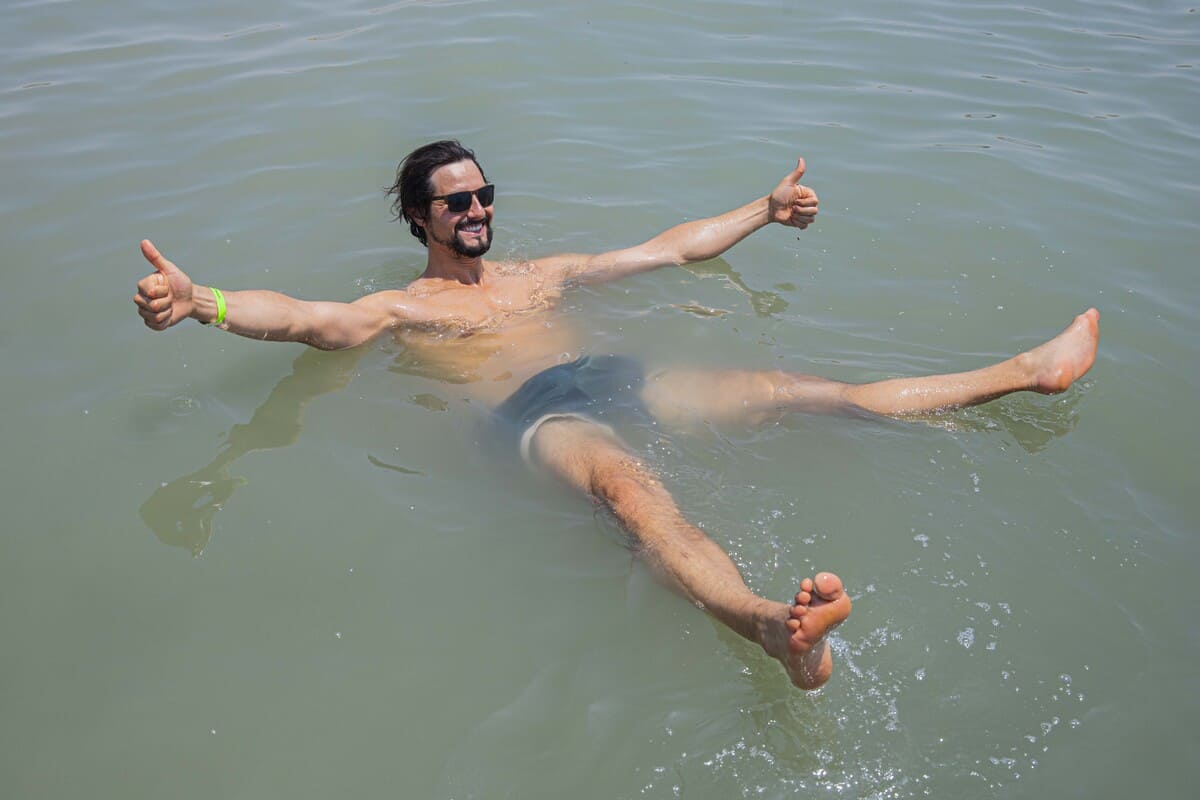
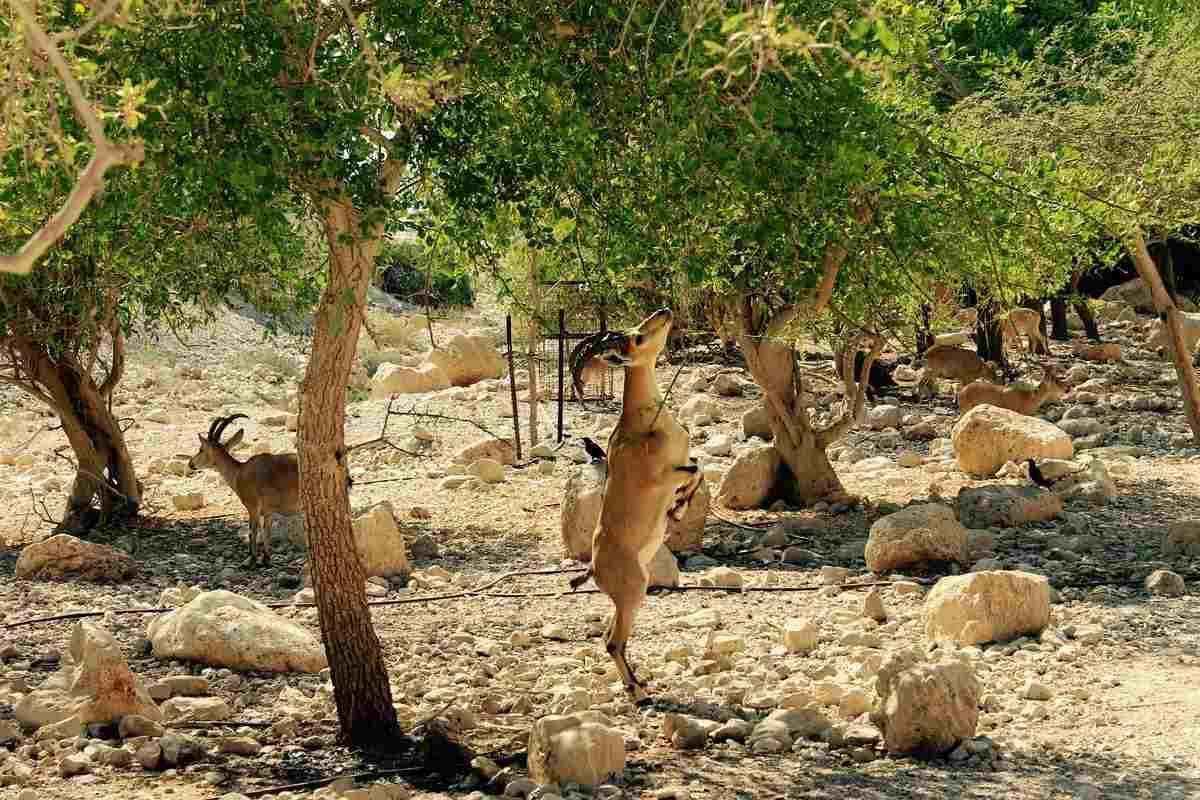
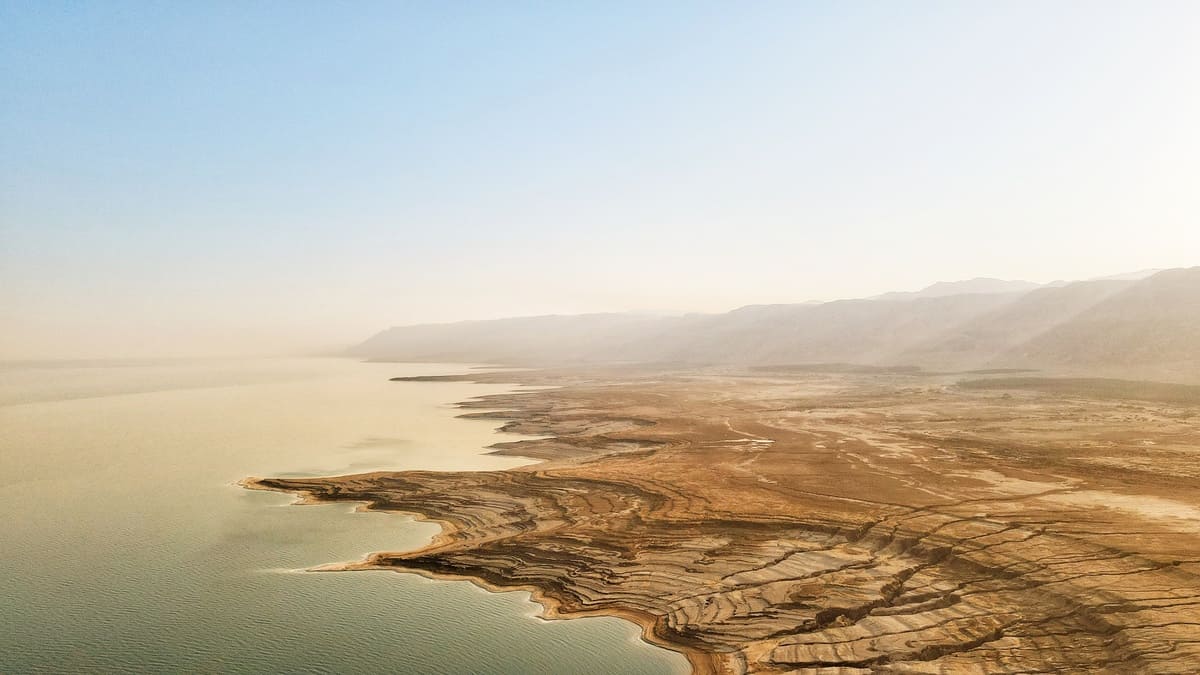
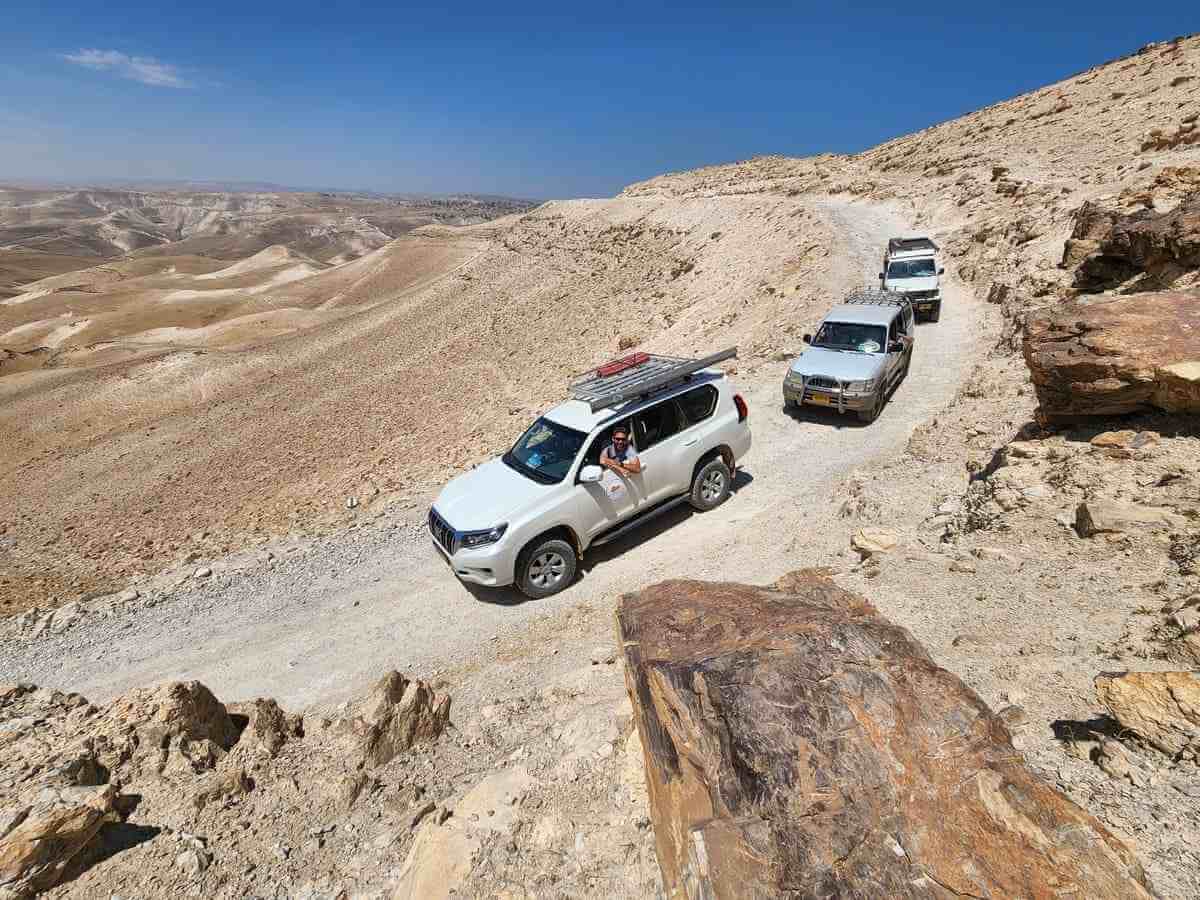
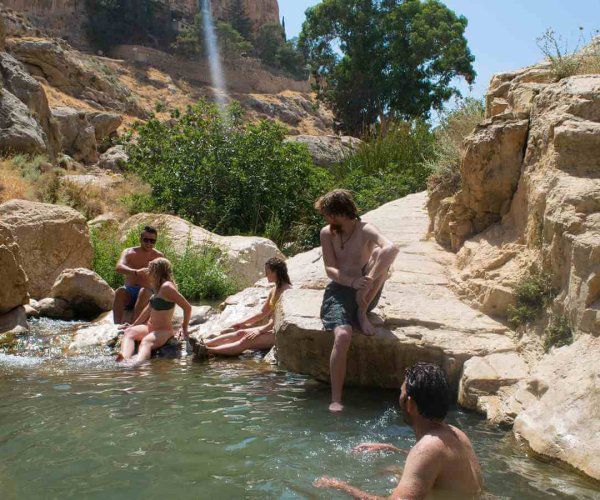
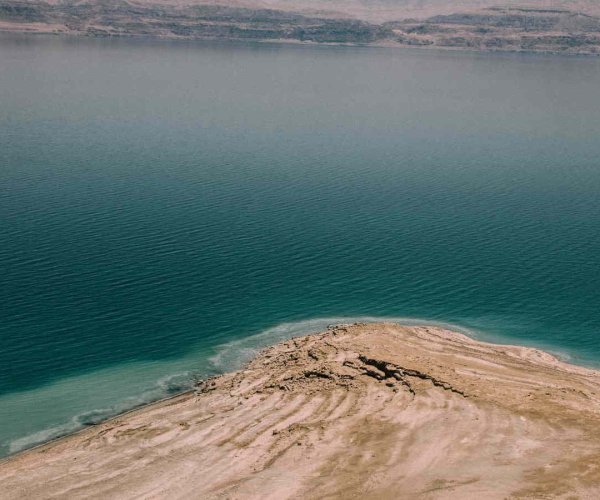
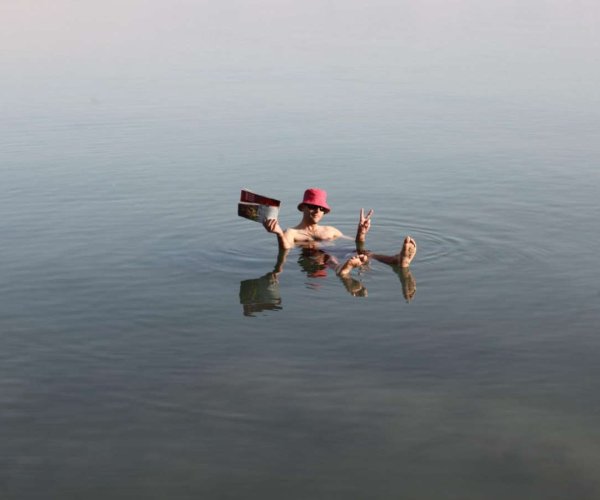
Masada is often visited as part of a travel route through the Judean Desert and the Dead Sea area. Its location makes it easy to combine with other important sites nearby, especially Ein Gedi Nature Reserve and the Dead Sea. Ein Gedi is a desert oasis with walking trails, natural water sources, and greenery in the middle of the dry landscape. The Dead Sea, located nearby, is the lowest place on Earth and is known for its salty water, which allows visitors to float.
Together, Masada, Ein Gedi, and the Dead Sea offer a full day that combines history, nature, and one of Israel’s most unusual natural sites.
Our Masada, Ein Gedi and Dead Sea Tour
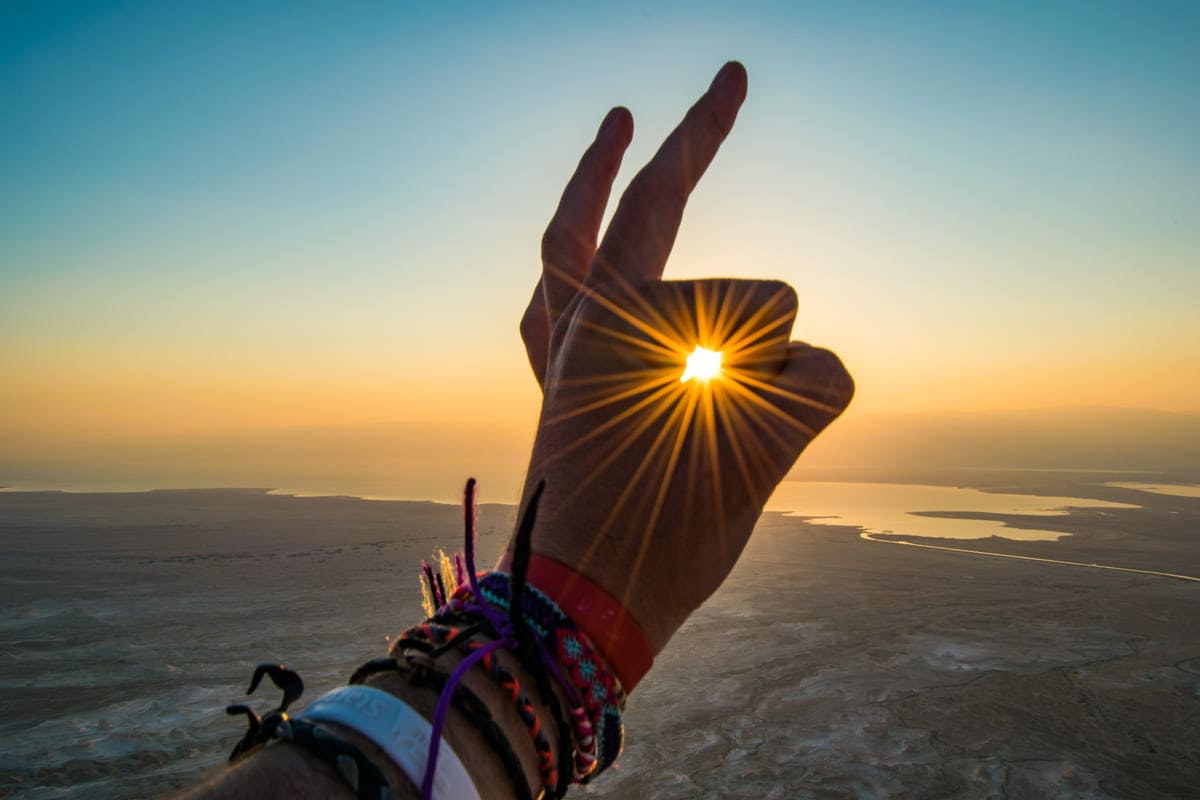
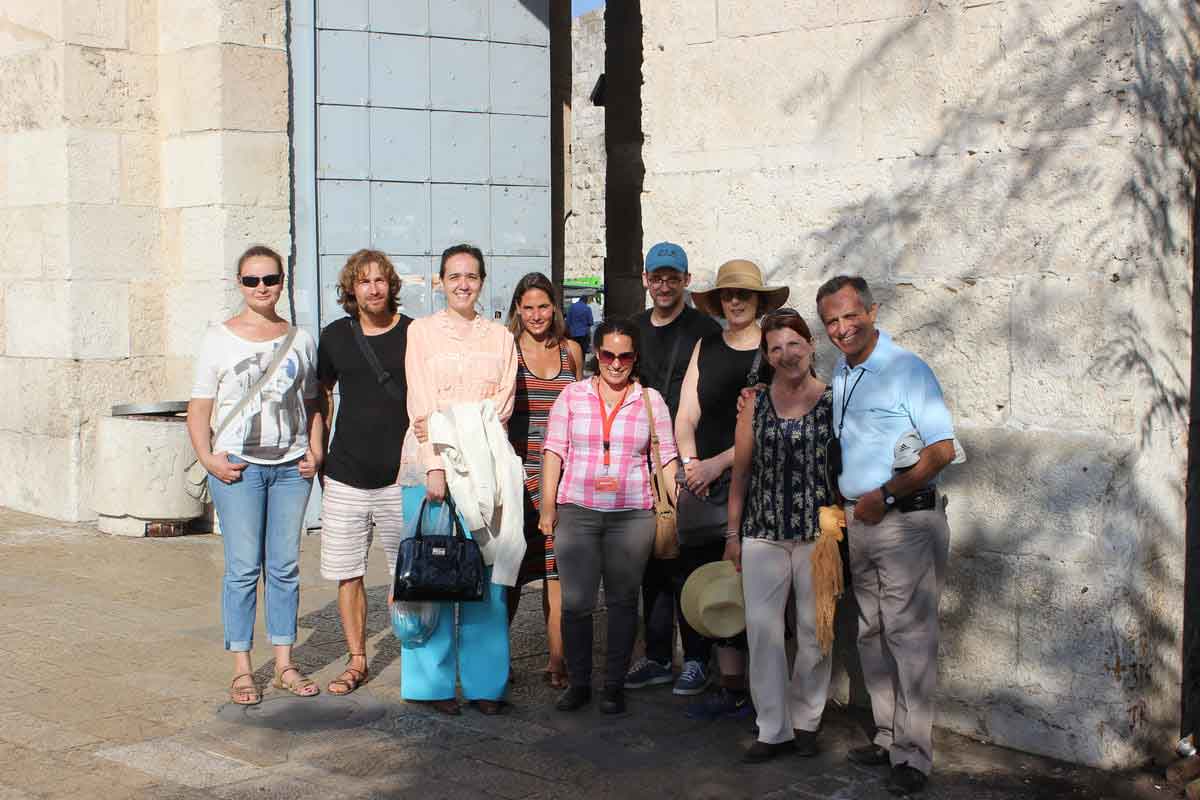
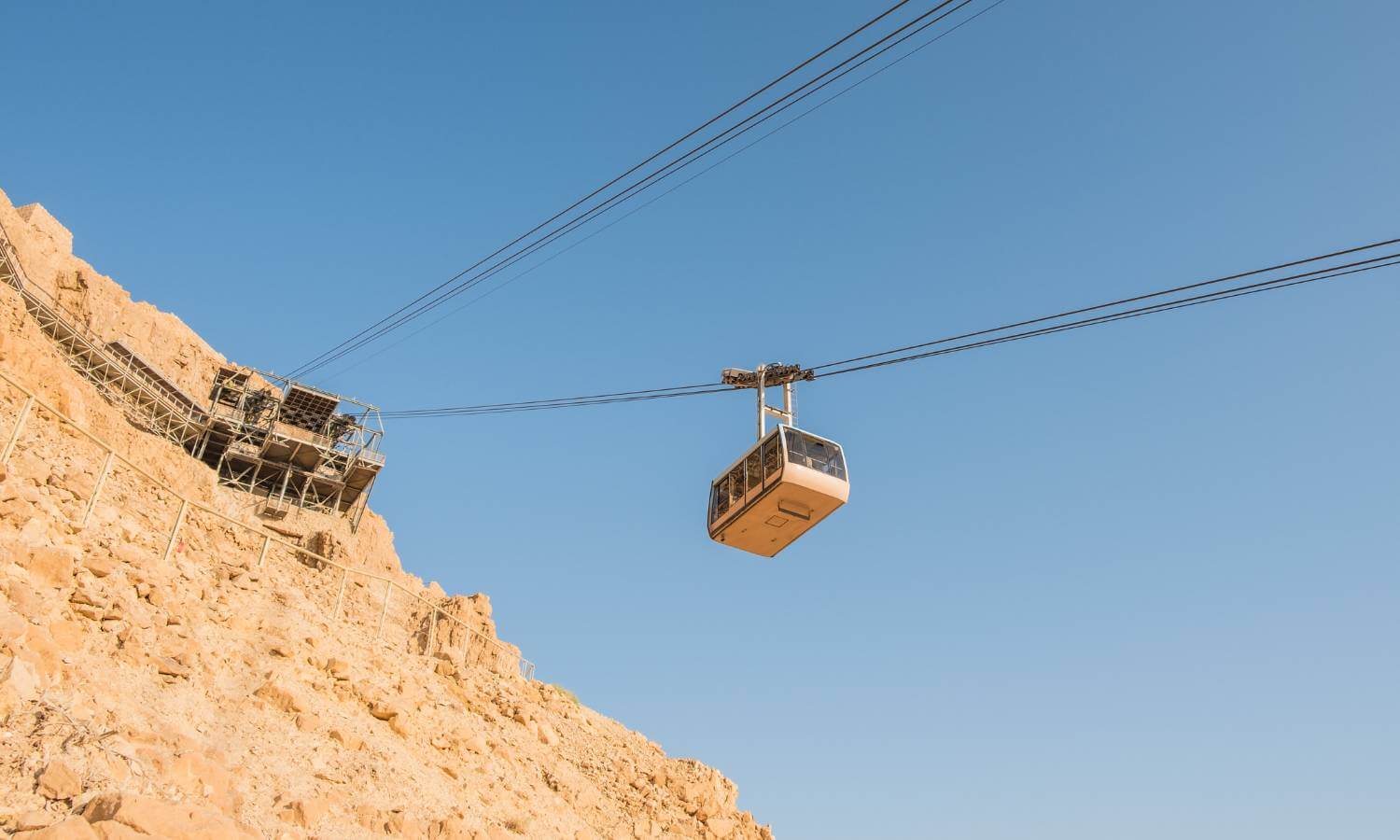
Our Masada, Ein Gedi and Dead Sea Tour is designed for independent travelers who want to visit the main sites of the Judean Desert in one organized day. The tour leaves from Tel Aviv and Jerusalem and travels through the desert to Masada. At Masada, travelers take the cable car to the top of the fortress and explore the archaeological remains. The visit includes time to see the ruins, learn about the history of the site, and understand its role during the Roman period. You can also book a sunrise tour, but please note that the cable car does not operate early in the morning.
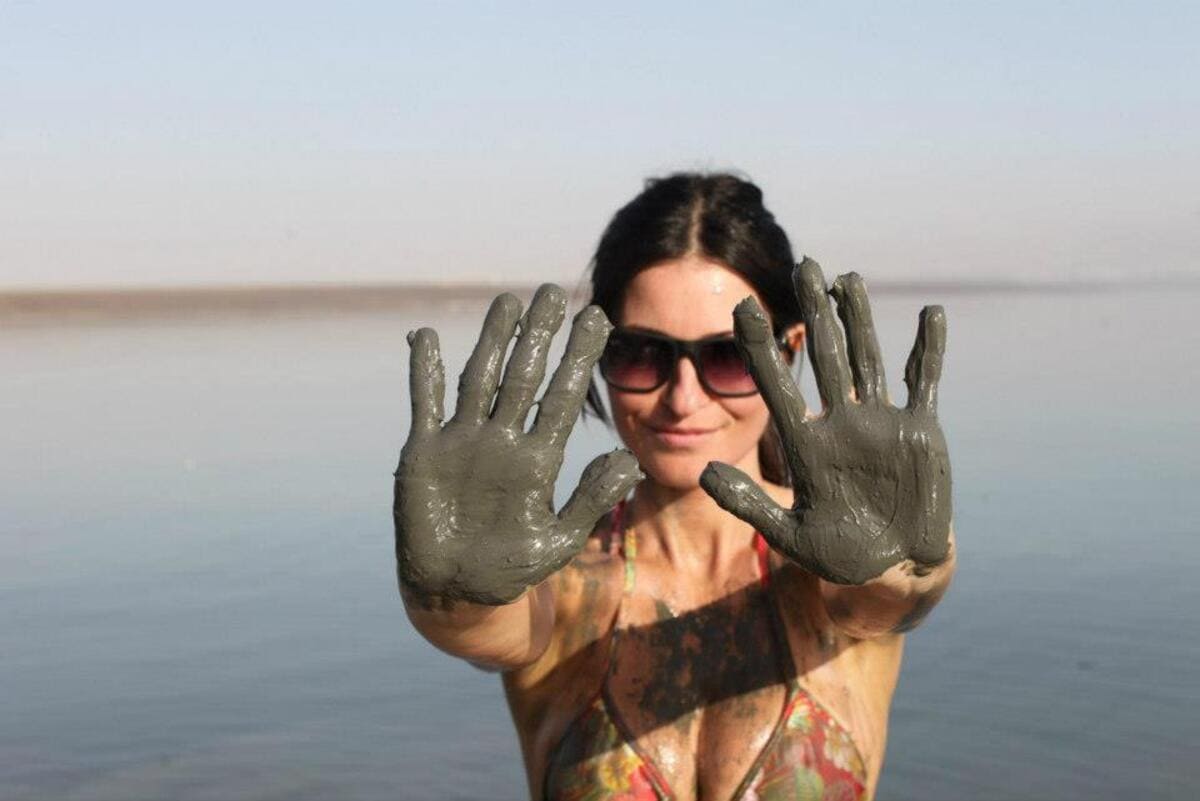
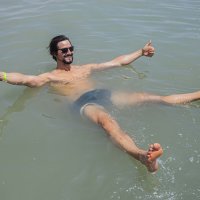
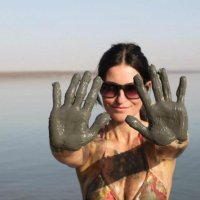
The tour continues to Ein Gedi Nature Reserve for a short hike through the desert oasis. The final stop is the Dead Sea, where travelers can float in the salty water and experience the famous Dead Sea mud.
This tour is a practical option for travelers who want to visit several major attractions in one day without arranging separate transportation between them. It allows visitors to understand the history of Masada while also experiencing the nature and geography of the Dead Sea region.


 The selected tours will be reserved for you for 30 minutes. If you do not complete the reservation, after 30 minutes, the tours will be released for purchase by others.