


 TEL AVIV

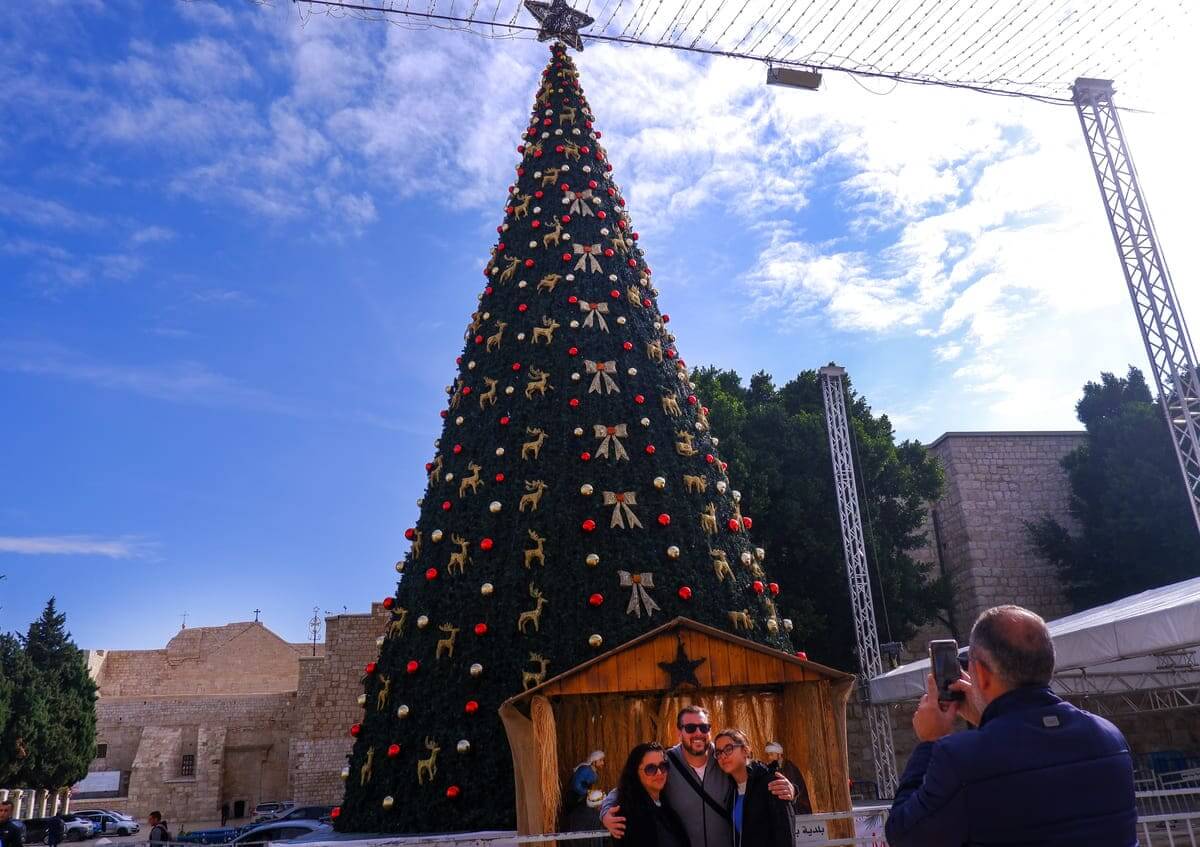




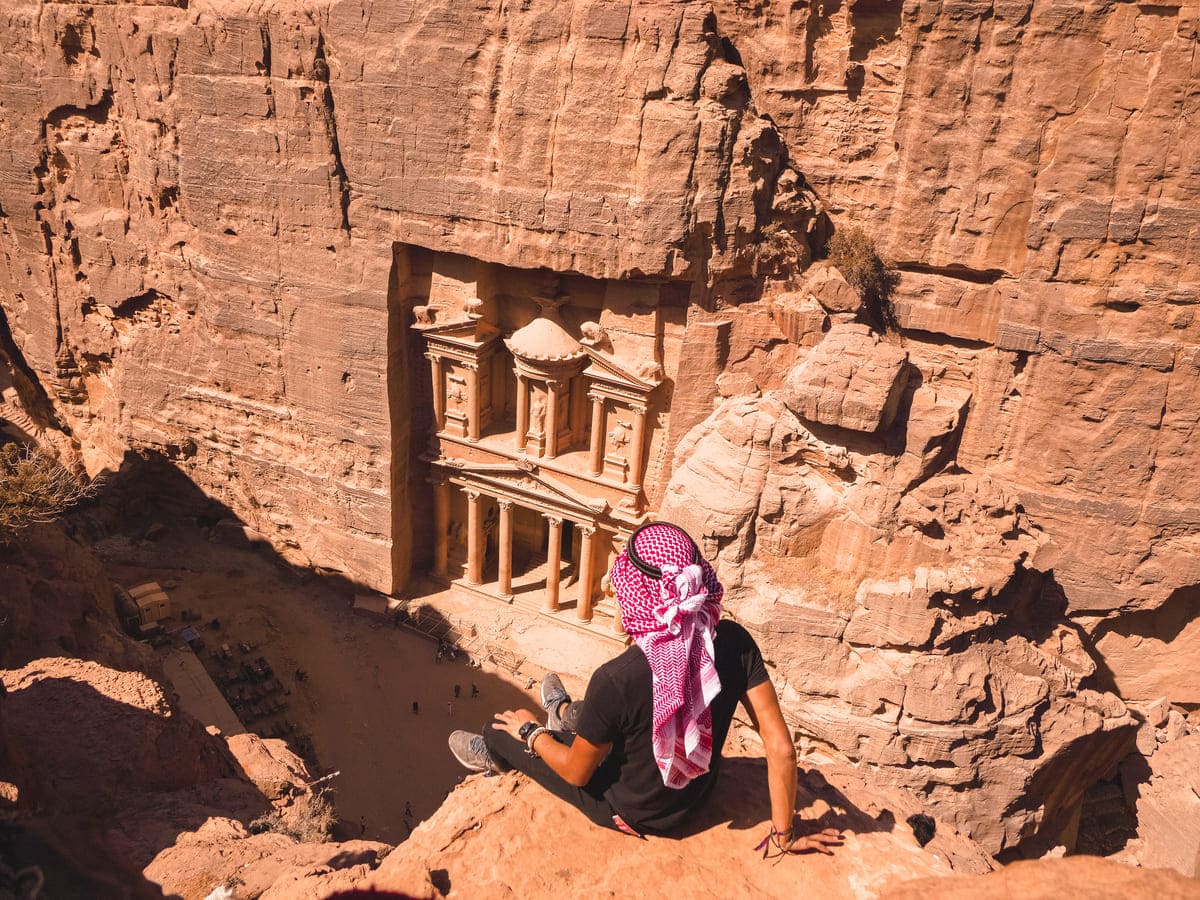


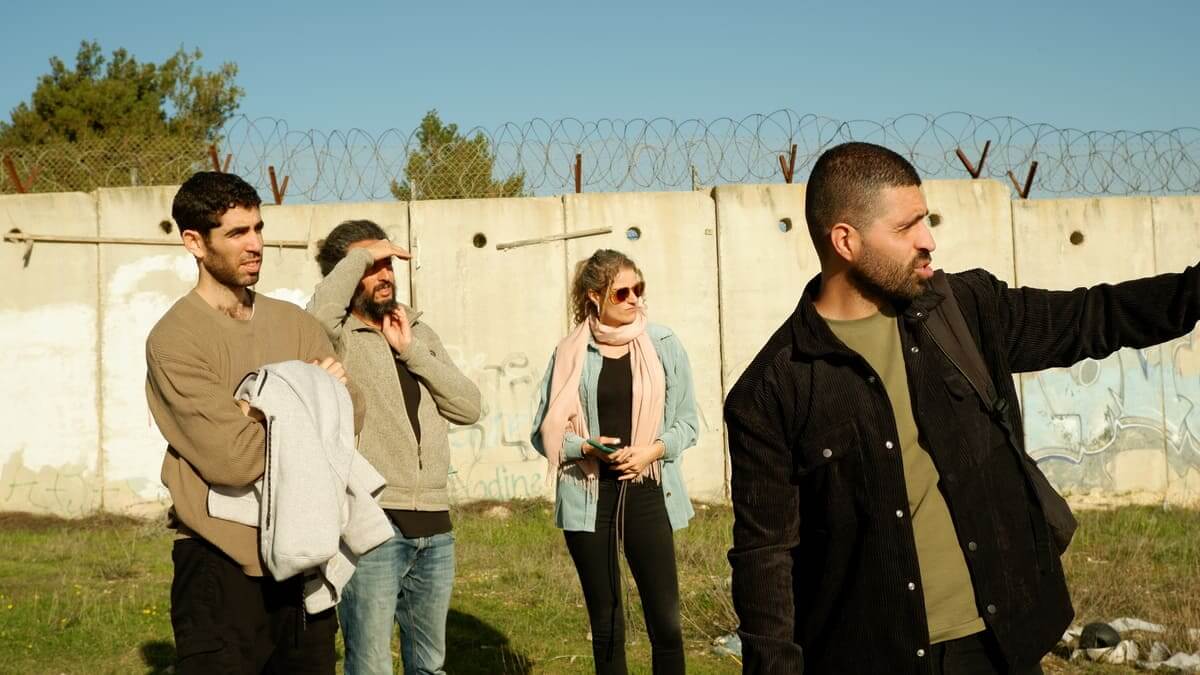
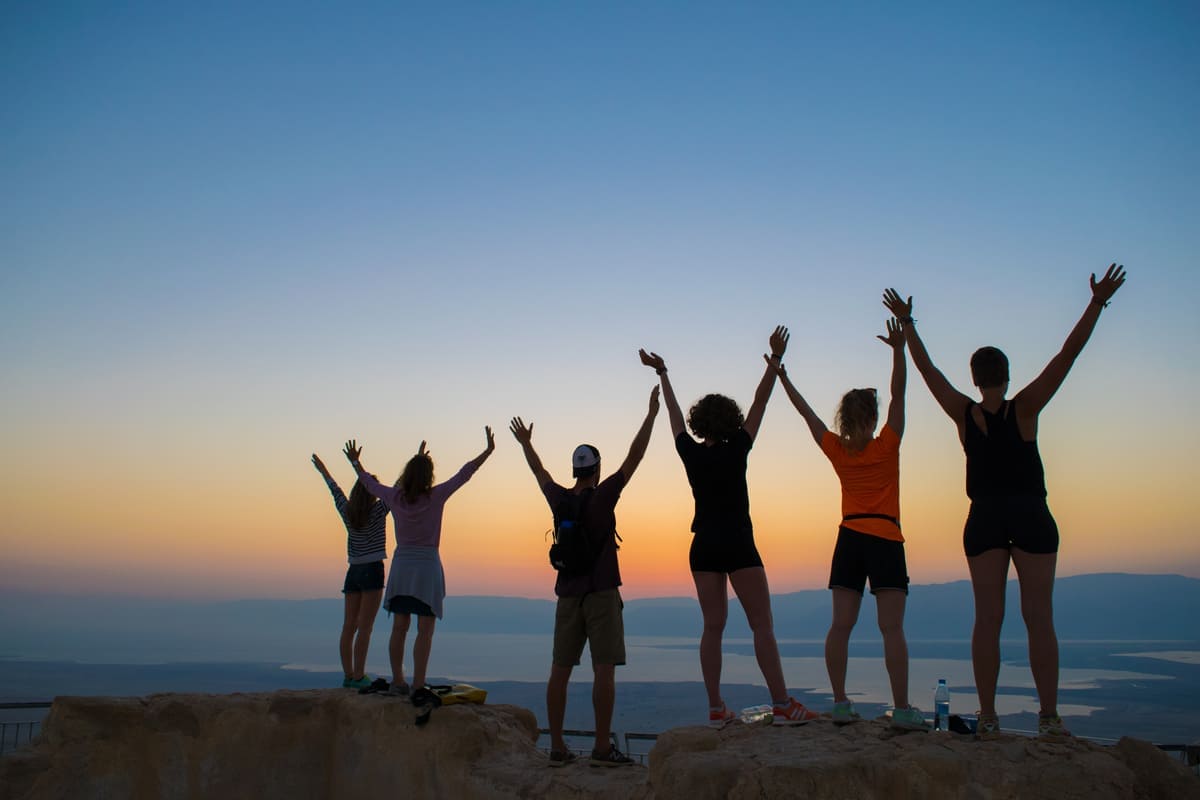


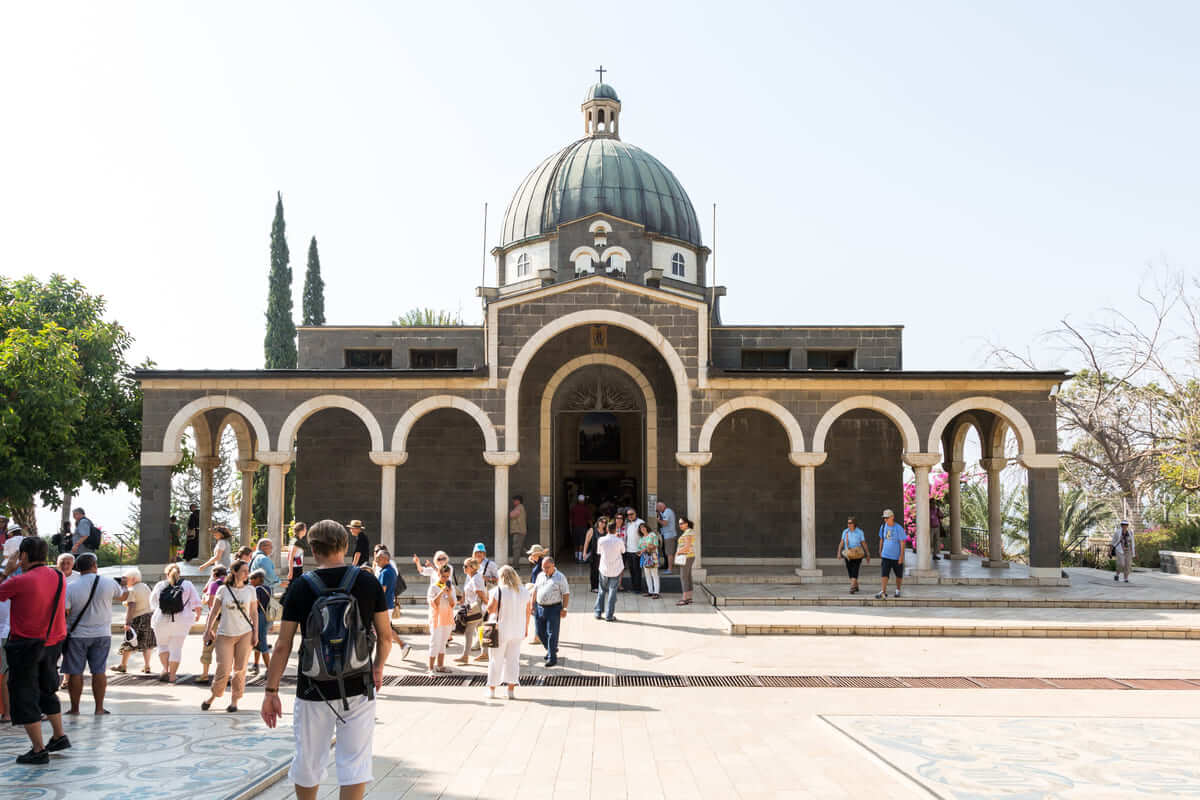
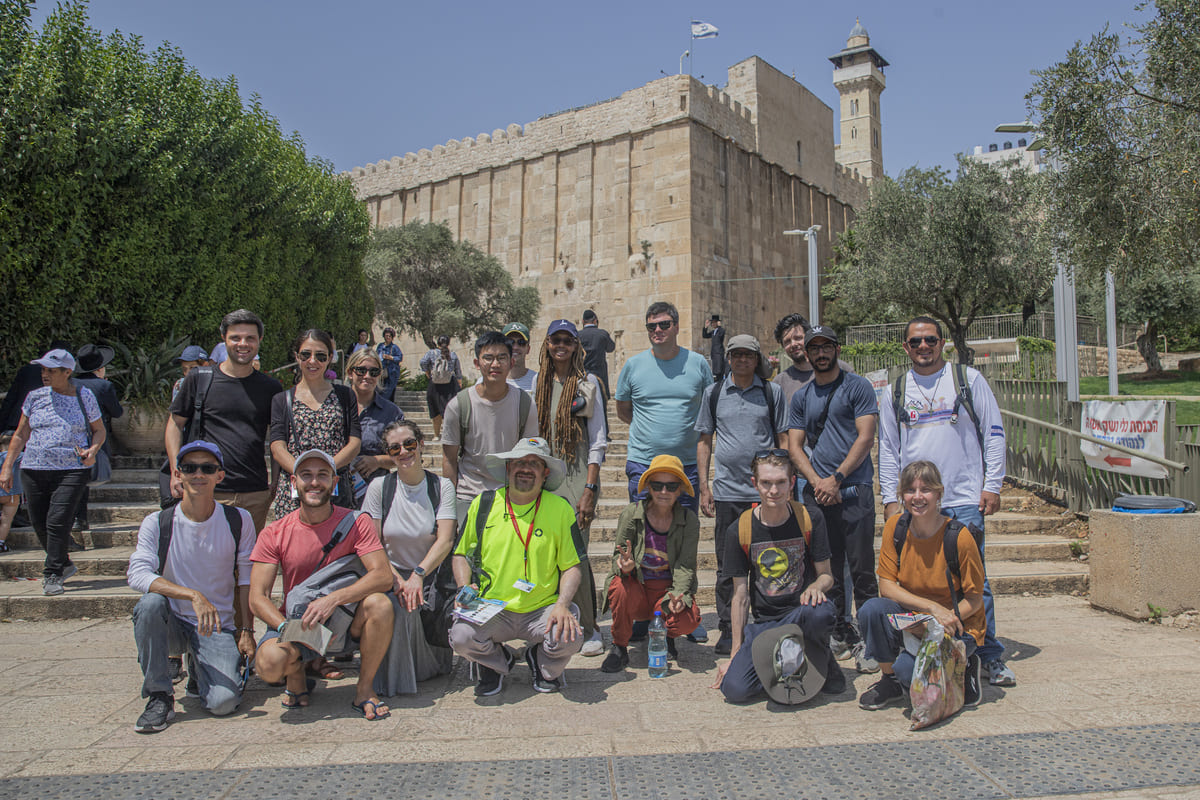




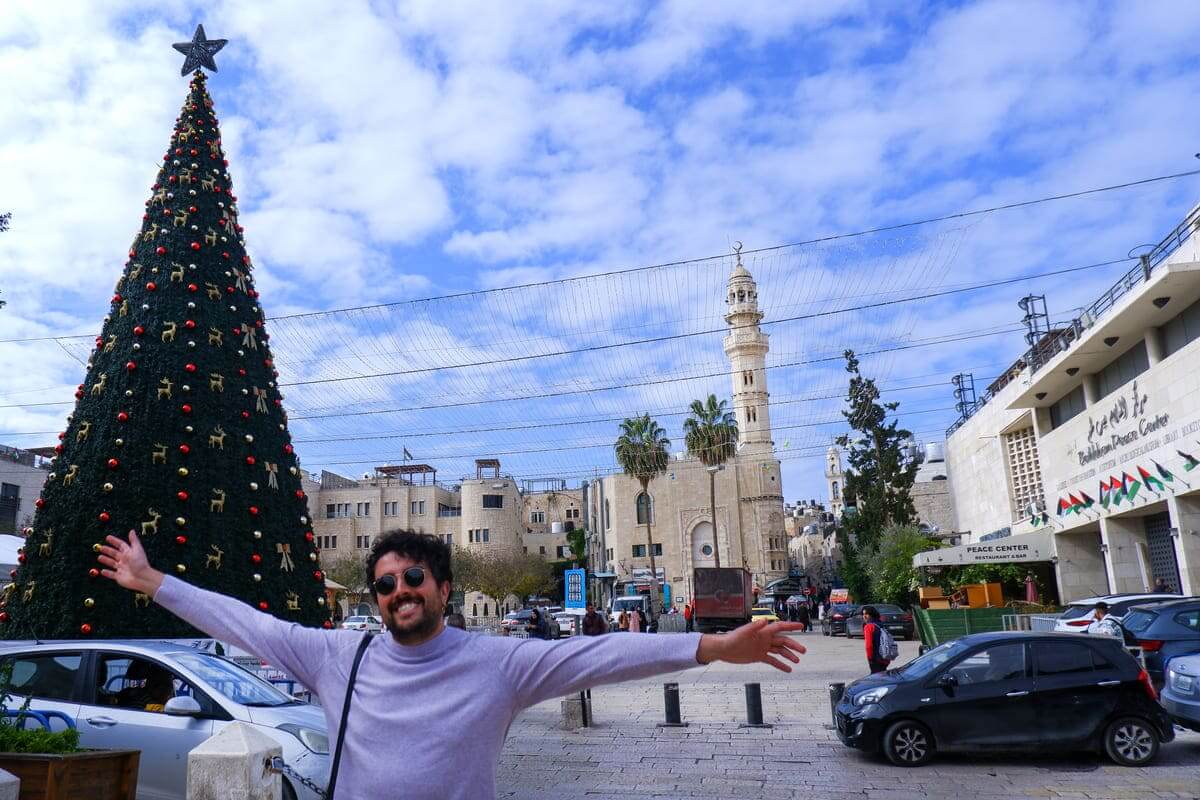
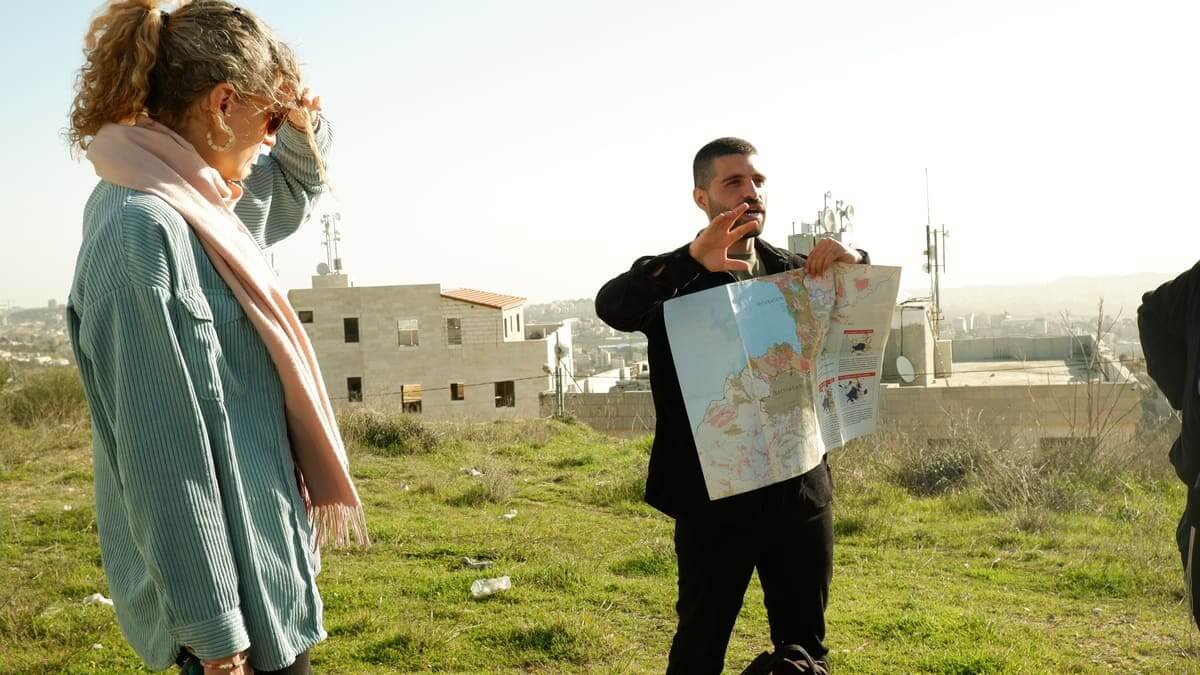
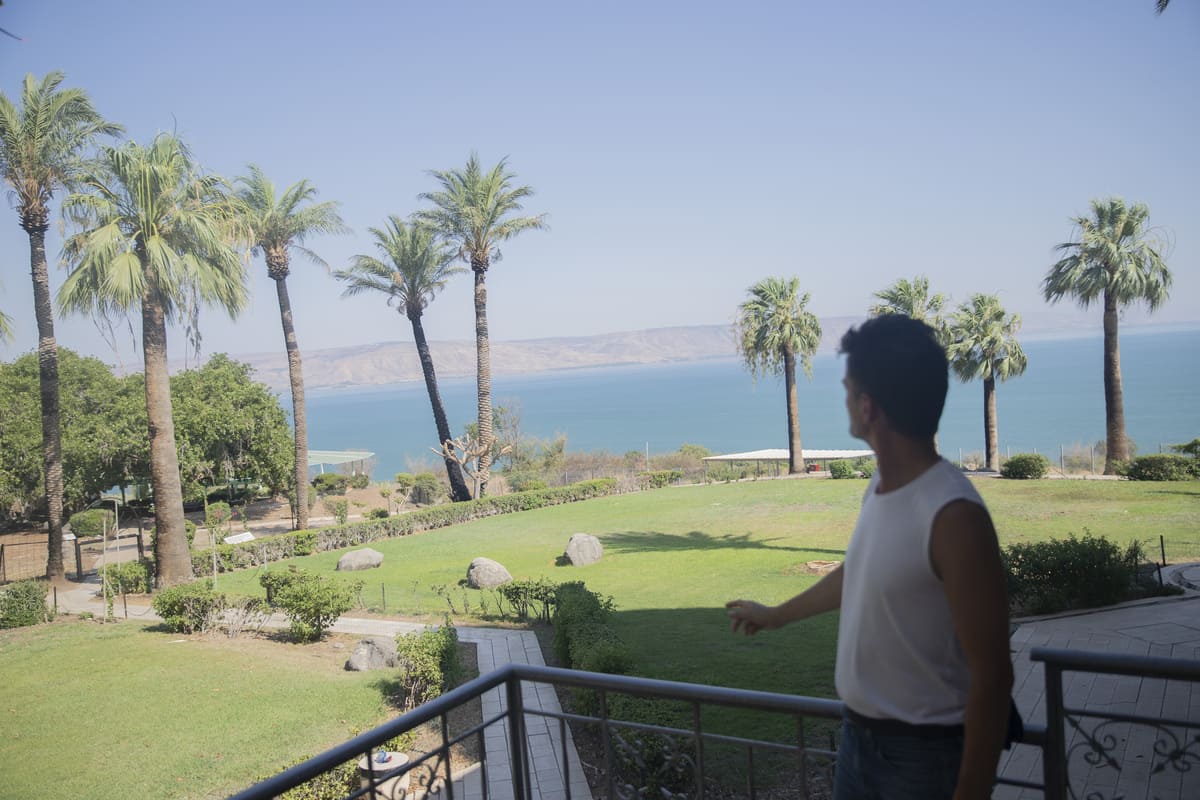
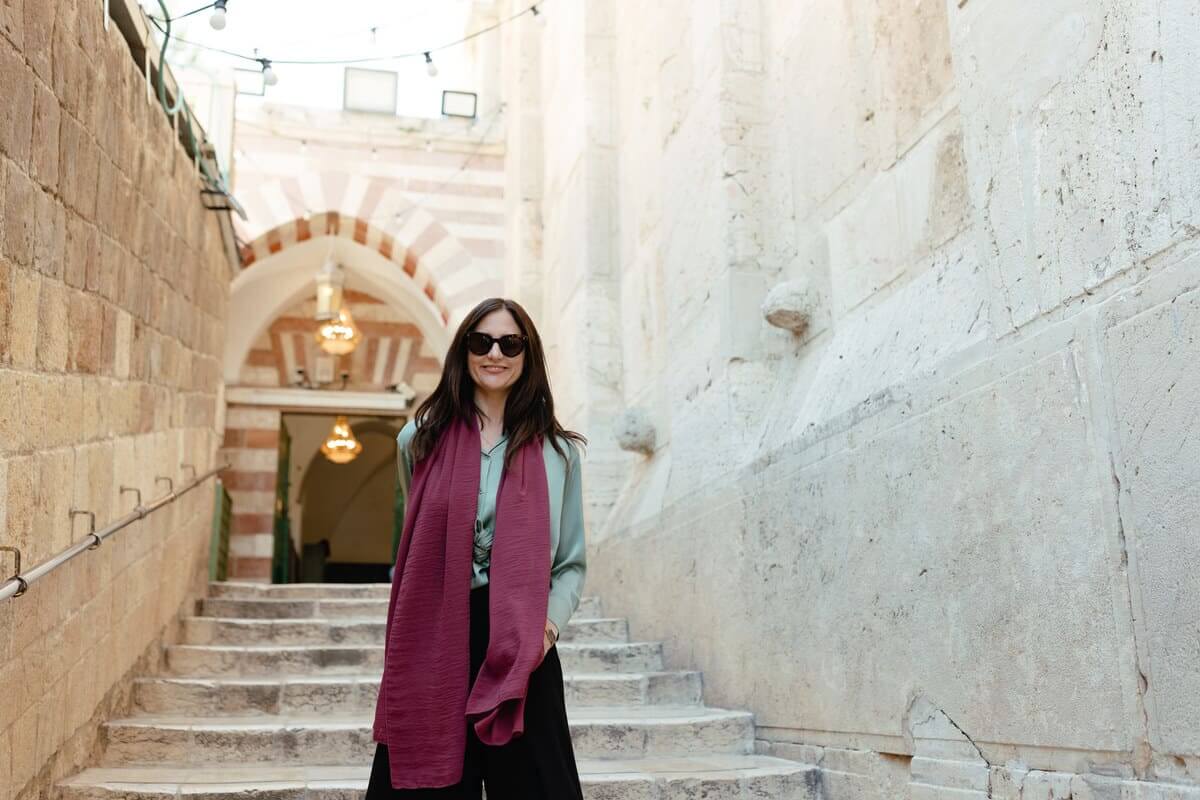
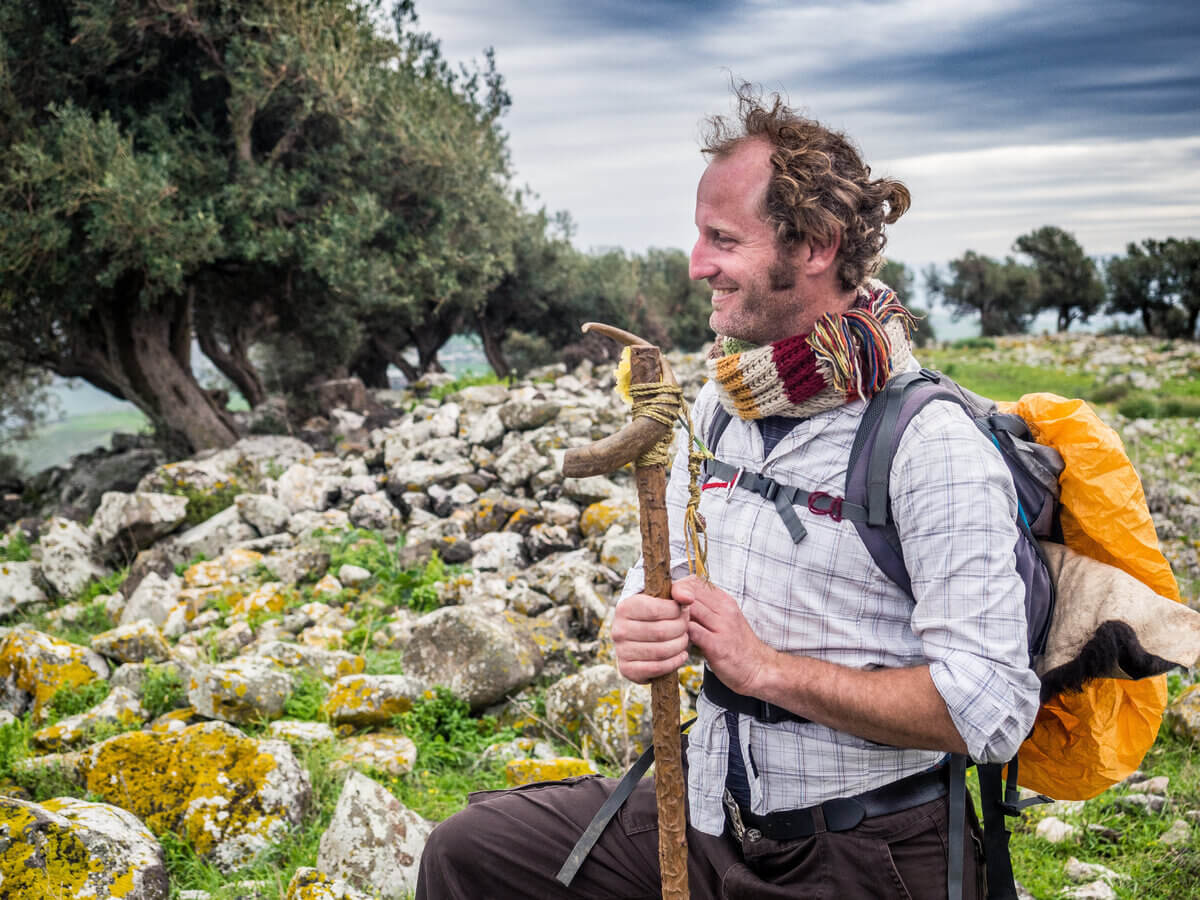
Israel is a destination where traveling alone does not have to mean spending the whole trip by yourself. Hostels, walking tours, local markets and group day tours make it easy to meet people along the way. At the same time, the security situation and transportation schedule require some extra planning.
This guide covers what to know about safety, how to get around and the best places to include in an Israel solo travel itinerary.

Is Israel a Good Destination for Solo Travelers?
Israel can work well for independent travelers because the main cities are compact, English is widely understood in tourist areas and many destinations can be reached by public transportation or an organized day tour. Tel Aviv and Jerusalem are the most practical starting points. Both offer plenty to do without a car, while guided tours connect them with places that are more complicated to reach independently, such as Masada, Ein Gedi, the Dead Sea and the Galilee.
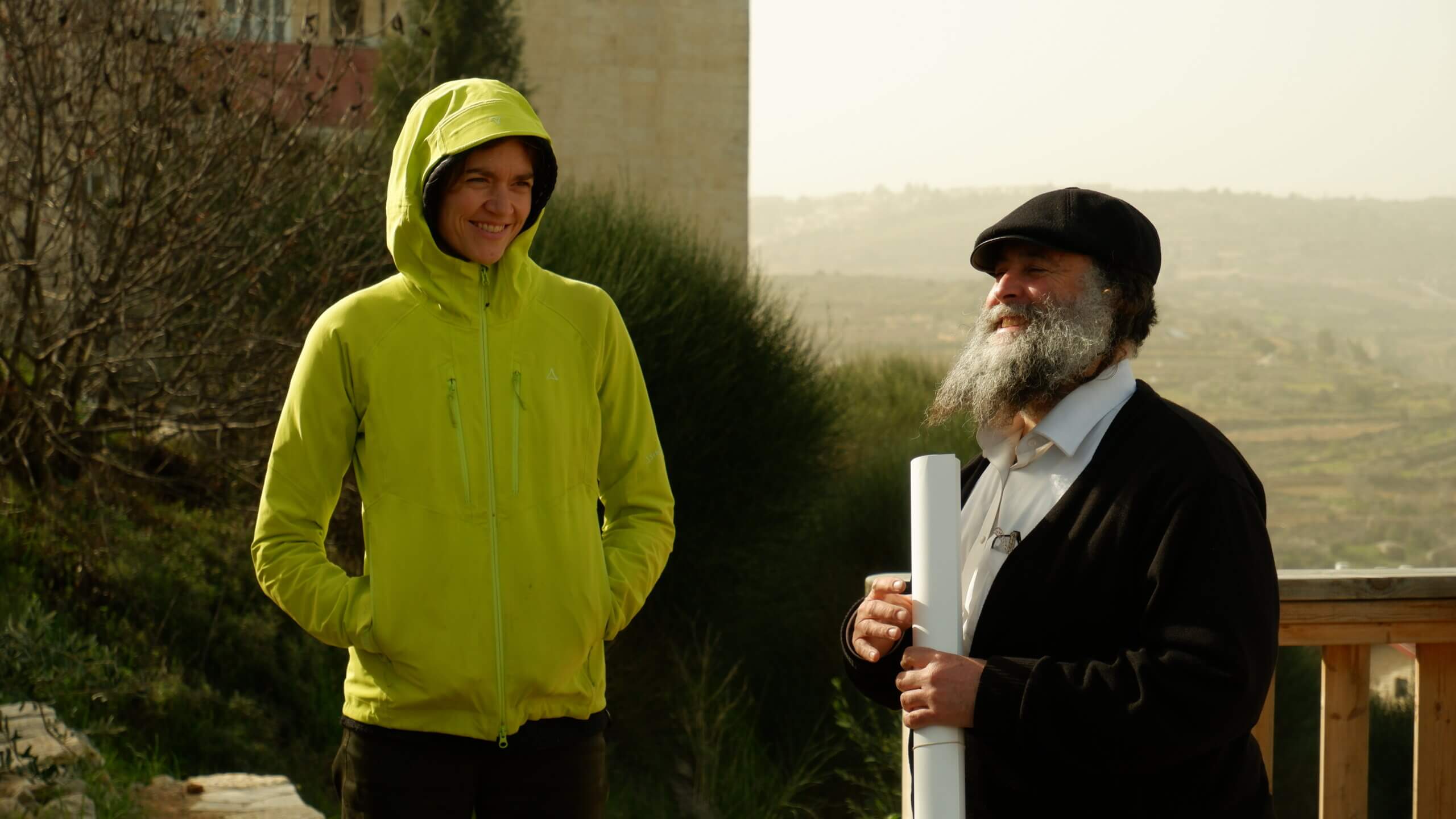
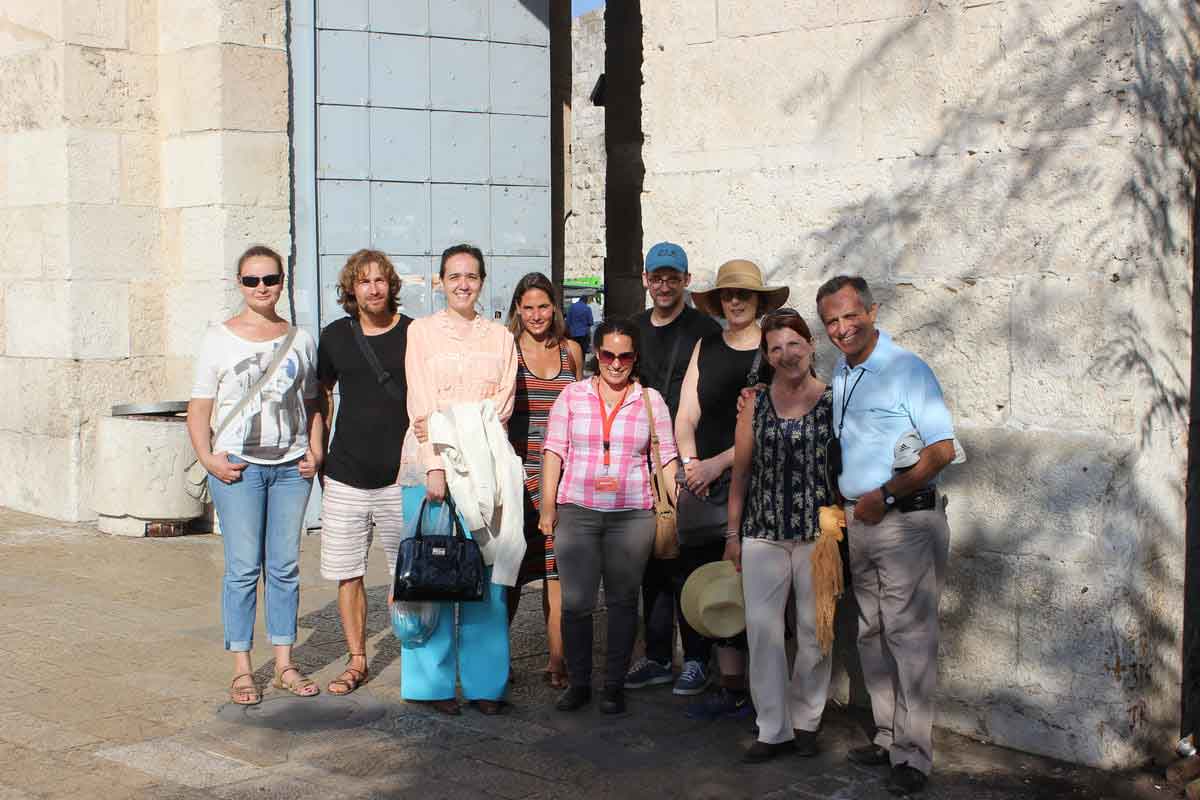
The social side of the trip is another advantage. Joining a food tour, walking tour, hostel activity or day trip gives solo travelers a natural way to meet both visitors and locals without having to organize an entire group.
Is It Safe to Travel Alone in Israel?
There is no single answer that applies to every place or every travel date. The regional security situation can change quickly, and official advice may differ between destinations. Before booking and again before each journey, check the travel advisory issued by your own government and the latest information for tourists from Israel’s Ministry of Tourism.
Travelers should also install the official Home Front Command app, enable location services and learn what to do if an alert sounds. The Ministry of Tourism recommends the app for real-time alerts and instructions.
Security conditions can affect flights, public transportation, opening hours and tour schedules at short notice. Keep your itinerary flexible, make sure your travel insurance reflects current official advice and stay in accommodation where the staff can provide local information.
For everyday personal safety, use the same habits you would in any unfamiliar destination:
- Keep your phone charged and carry a portable charger.
- Save the address of your accommodation in both English and Hebrew.
- Let someone know when you are taking a long hike or traveling to a remote area.
- Use licensed taxis or established booking apps.
- Keep your passport, money and other valuables secure.
- Avoid demonstrations, large confrontations and areas restricted by the authorities.
- Follow instructions from local authorities and accommodation staff.
Israel’s main emergency numbers are 100 for police, 101 for an ambulance and 102 for the fire service.
Solo Female Travel in Israel
Women travel alone in Israel, but normal precautions remain important. Choose well-reviewed accommodation in a central area, be aware of your surroundings at night and arrange transportation in advance when returning late.
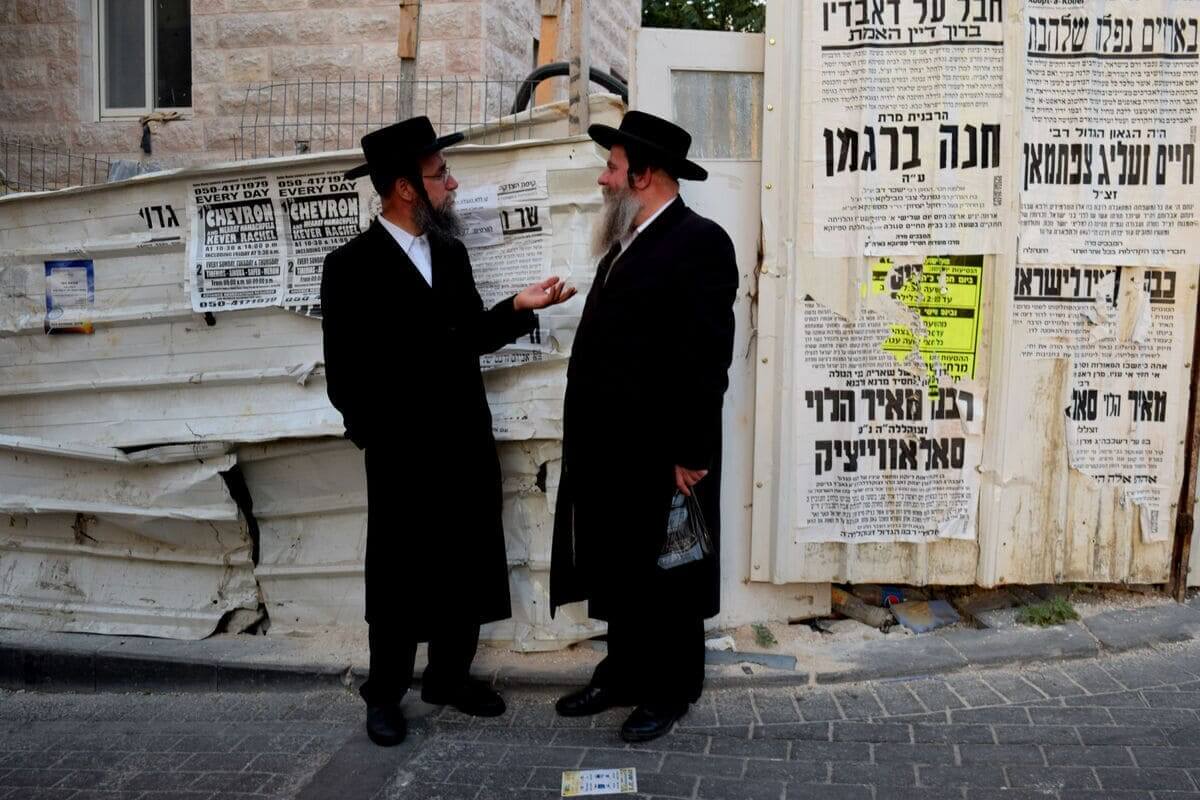
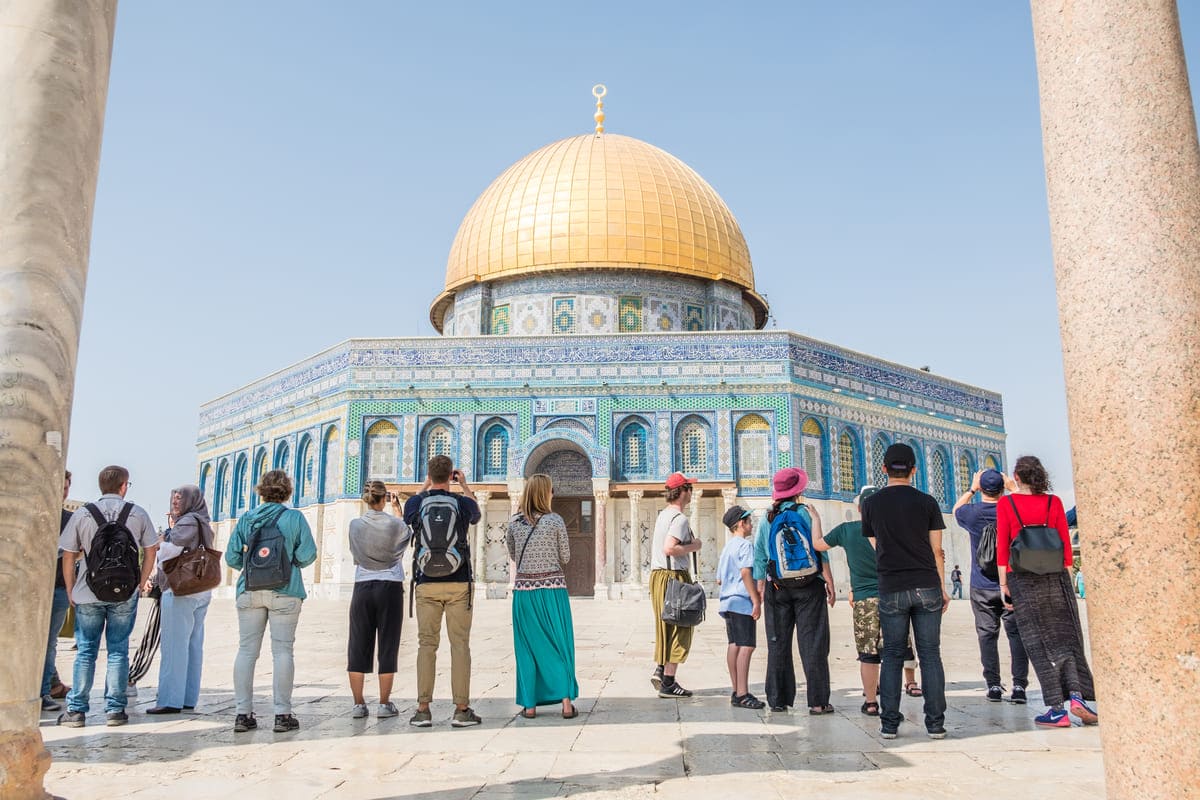
Clothing is generally informal in Tel Aviv and Eilat. More modest clothing is appropriate when visiting religious sites and conservative neighborhoods in Jerusalem, Nazareth and other communities. Carrying a light scarf is useful for covering shoulders when required.
If a place or interaction feels uncomfortable, leave and ask staff, a guide or another traveler for help. Joining a small group tour can also make remote destinations easier to visit without managing the transportation alone.
Getting Around Israel as a Solo Traveler
Israel has buses, trains and light rail systems connecting many of its principal cities and attractions. The official public transportation guide explains how the Rav-Kav travel card works across buses, trains and light rail. Route-planning and payment apps can also be useful, but payment options may vary by service. Check your route shortly before leaving because schedules and services can change.
Trains
Trains are useful for journeys between Ben Gurion Airport, Tel Aviv, Jerusalem, Haifa and Be’er Sheva. They are usually the simplest option when both your starting point and destination are close to a railway station.
Leave extra time when traveling to the airport and check the schedule on the day of departure, particularly during holidays or periods of disruption.
Buses and Light Rail
Buses reach many places that are not served by train, including smaller towns and parts of the Dead Sea region. Jerusalem and the Tel Aviv metropolitan area also have light rail services. When planning a long bus journey, check where the service ends. A stop named after a national park, junction or town may still be some distance from the entrance or your accommodation.
Transportation on Shabbat
Most national public transportation stops from Friday afternoon until Saturday evening, although exact times vary with the season. Limited alternatives operate in some areas. Tel Aviv, for example, runs a free metropolitan weekend transportation network on Fridays and Saturdays.
Shared taxis, regular taxis and some private shuttle services may also operate, usually at a higher cost. If you need to reach the airport, change cities or join an early tour, arrange the journey before Shabbat begins.
When a Tour Is the Easier Option
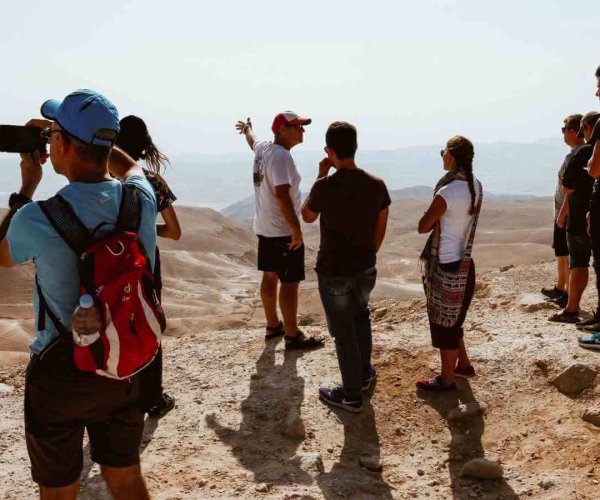
Public transportation is practical between major cities, but it is less convenient when a day includes several sites. A guided tour can save time when visiting Masada, Ein Gedi and the Dead Sea together, or when exploring the Galilee from Tel Aviv or Jerusalem.
For a solo traveler, a tour also removes the need to coordinate several connections and provides an easy social setting for the day.
Best Places for Solo Travel in Israel
Tel Aviv and Jaffa
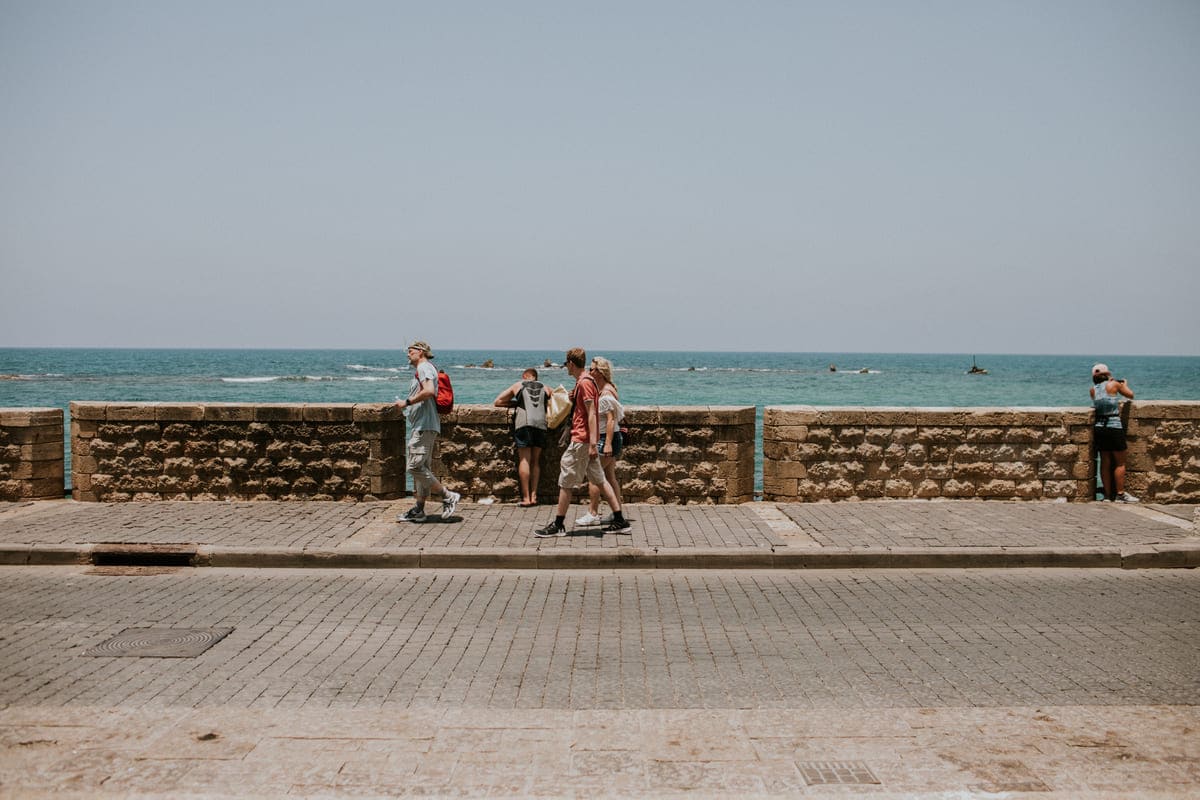
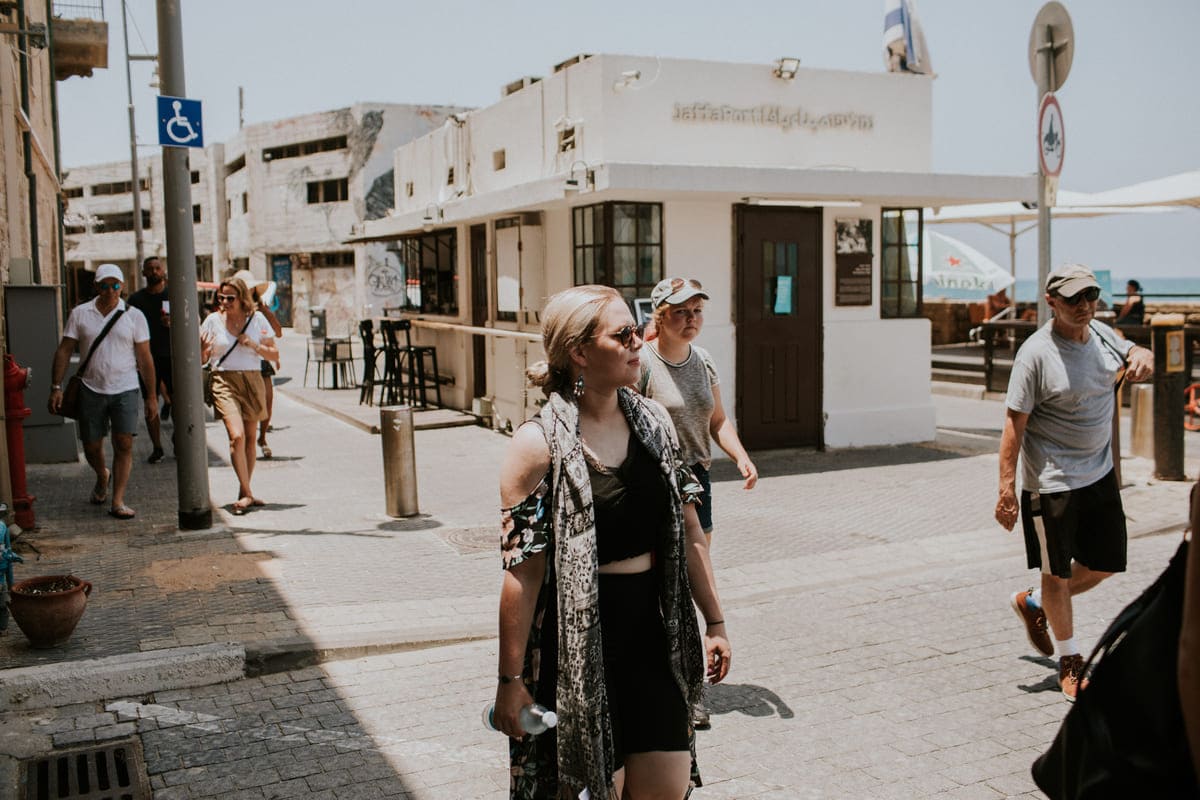
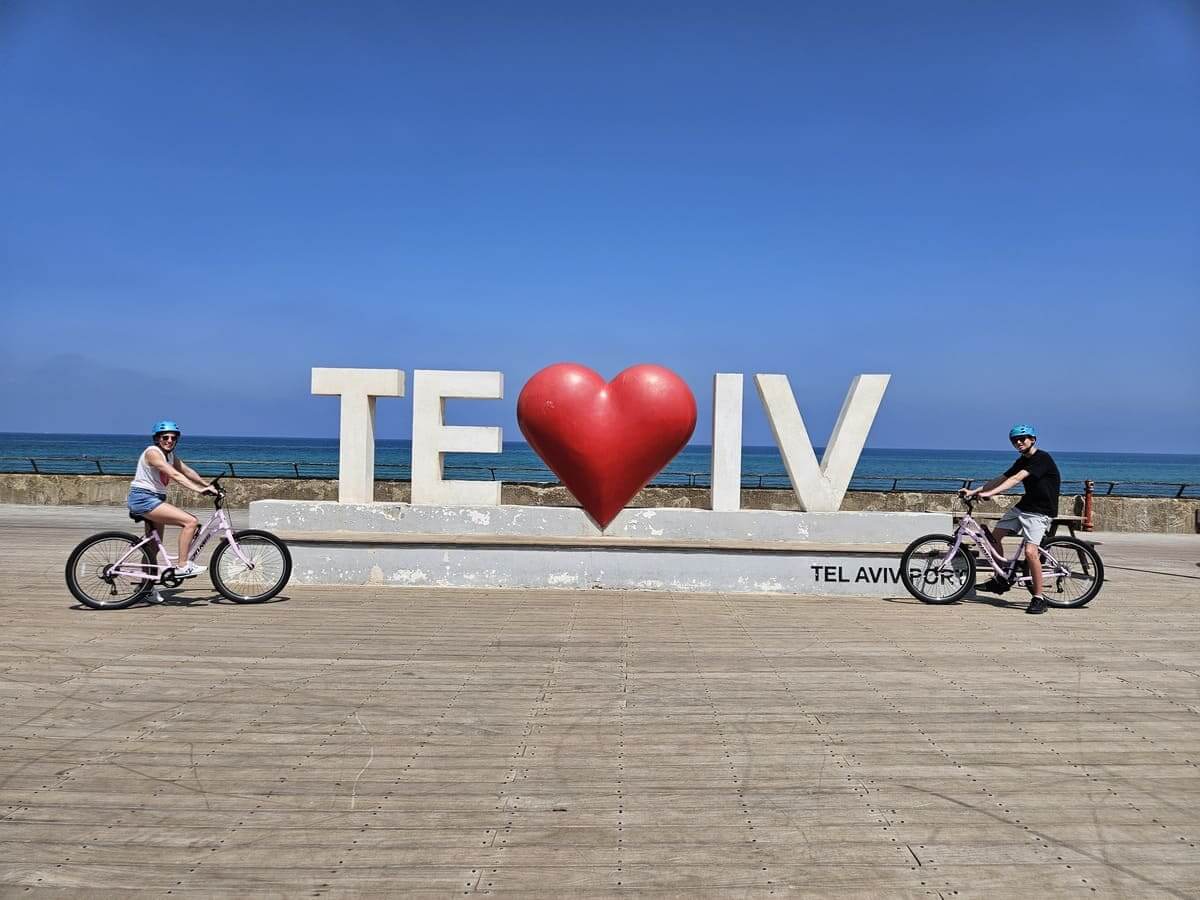
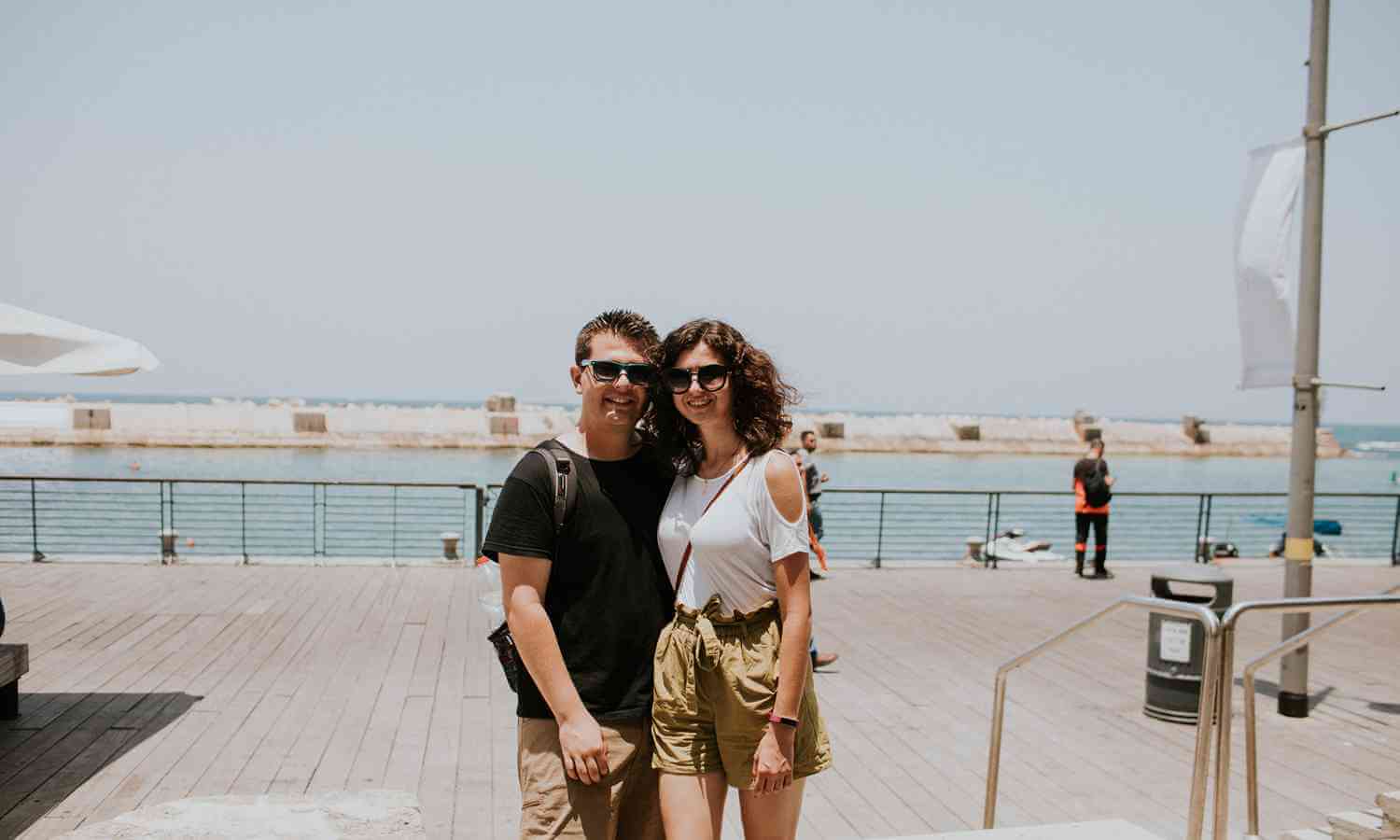
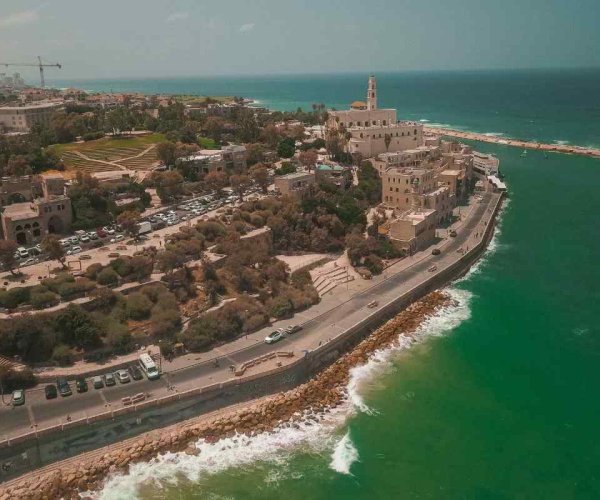
Tel Aviv is a natural first stop for solo travelers. The city is easy to explore on foot, by bicycle or by public transportation, and there is always somewhere to go, from the beach and Carmel Market to Rothschild Boulevard, Florentin and the port. Walk south along the coast to Jaffa for its old streets, flea market and sea views. Food tours, bike rides and walking tours are good ways to learn about the city while meeting other travelers. See all current Tel Aviv tours.
Allow at least two or three days for Tel Aviv and Jaffa, particularly if you want time for both sightseeing and the beach.
Jerusalem
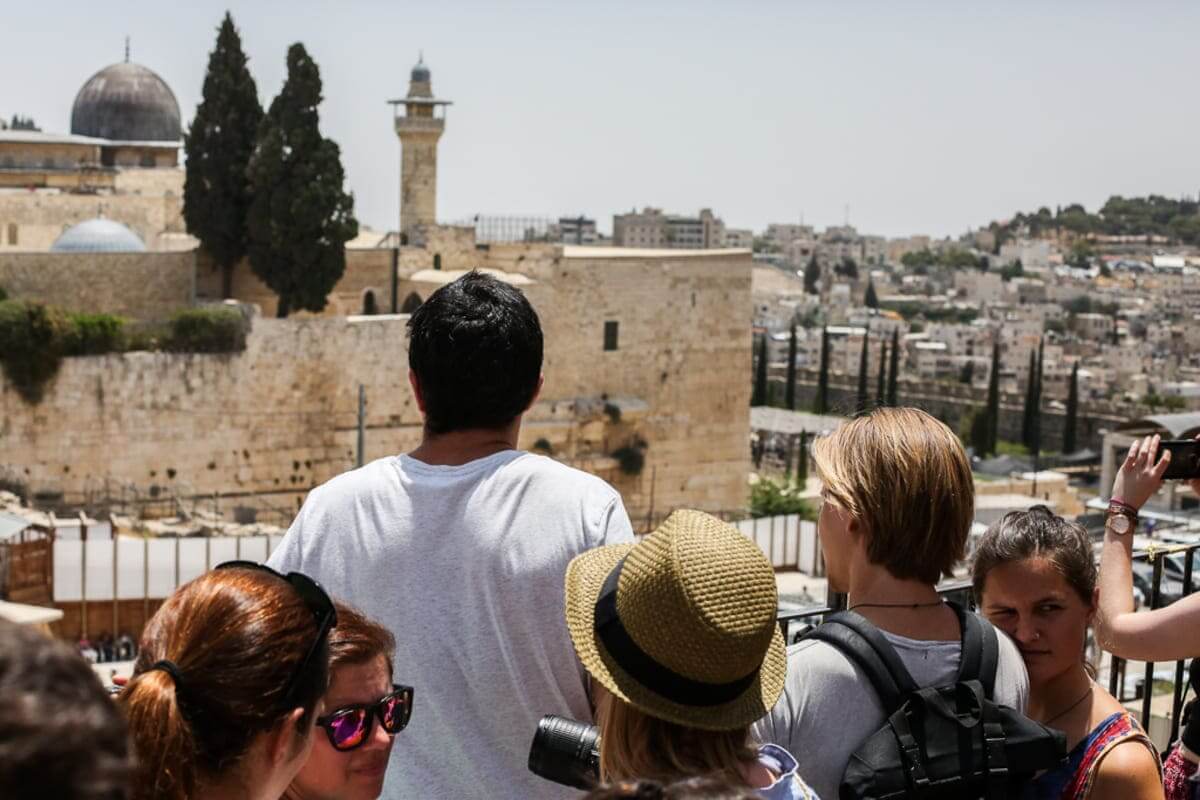
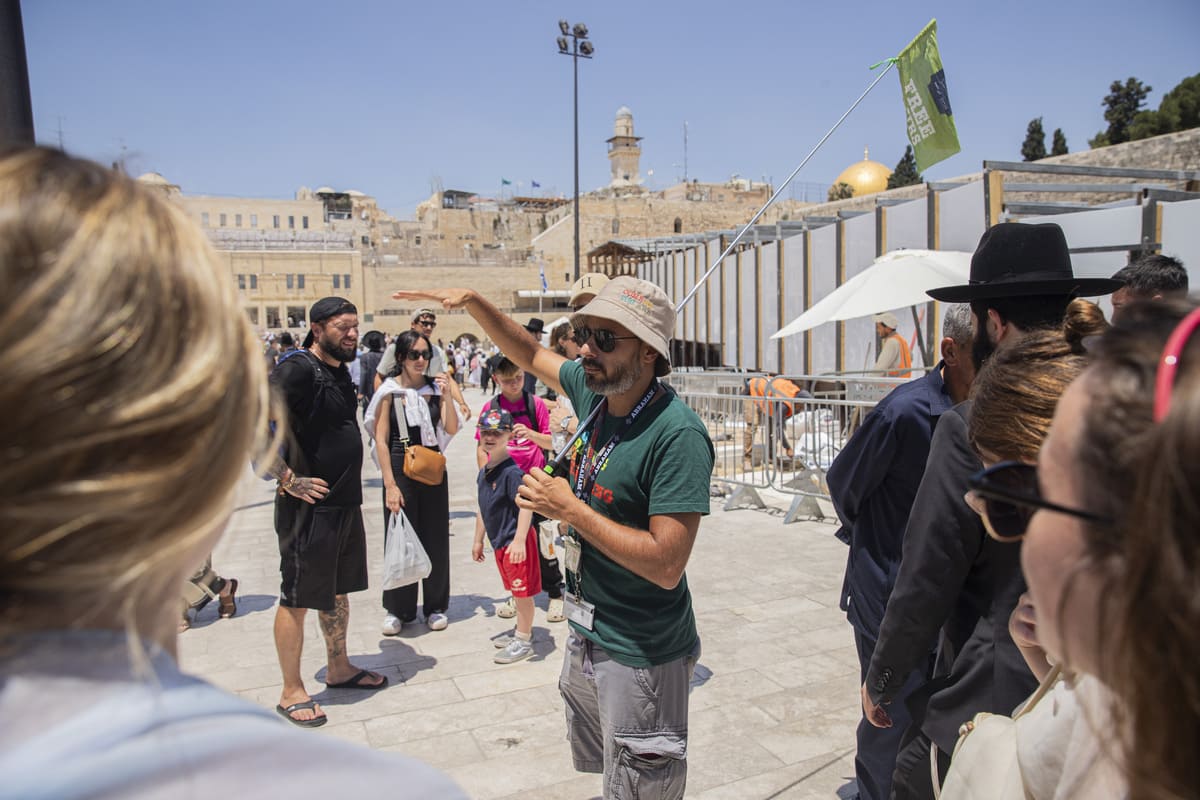
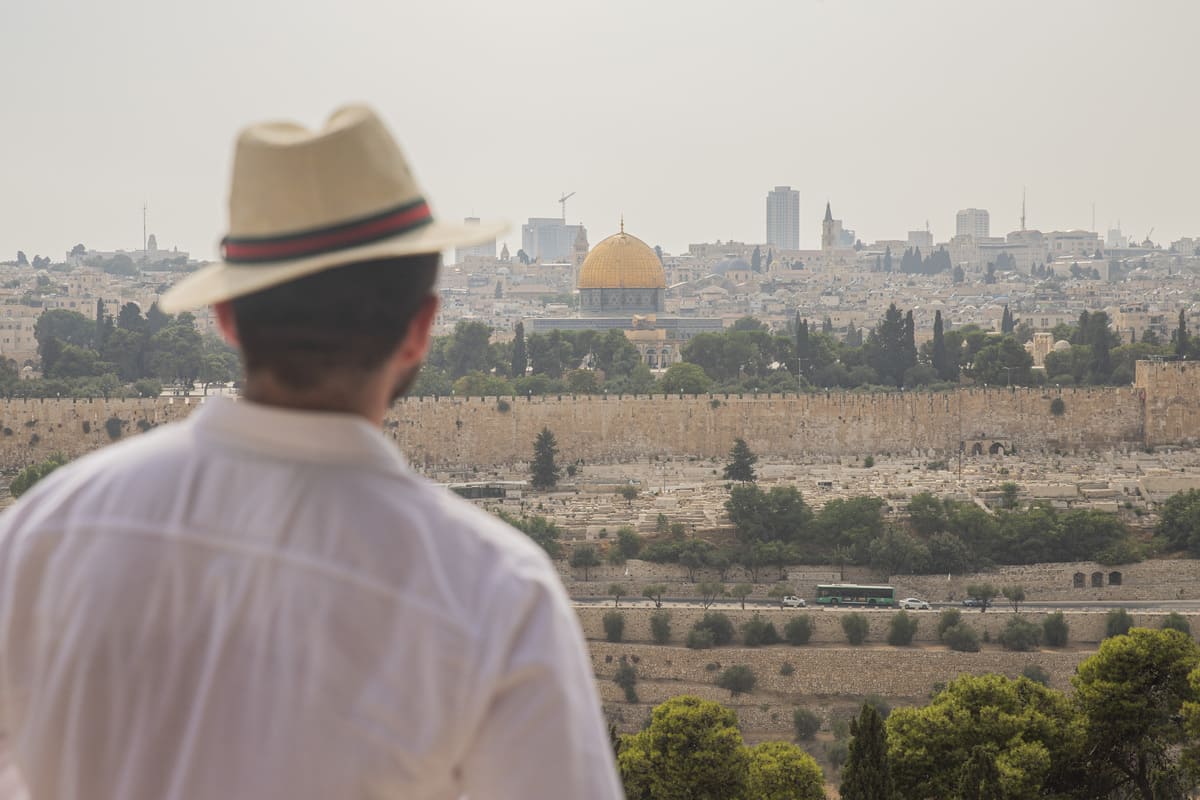
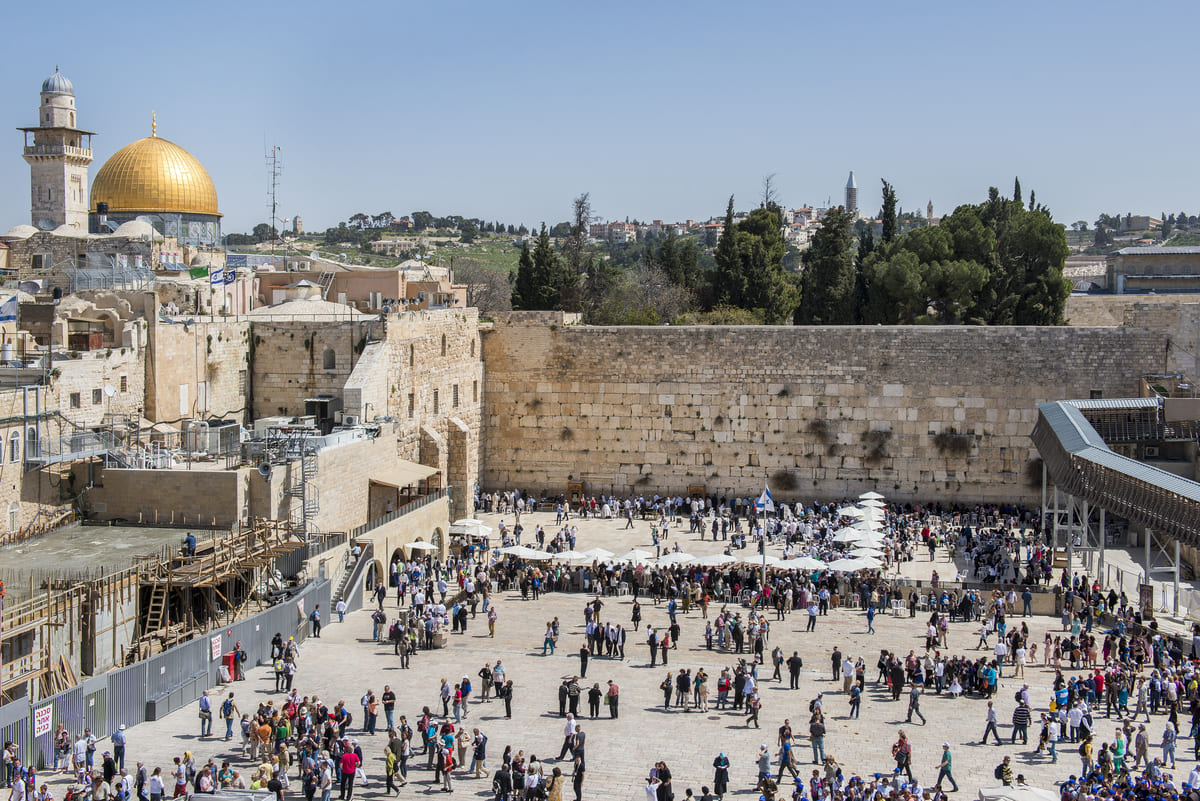
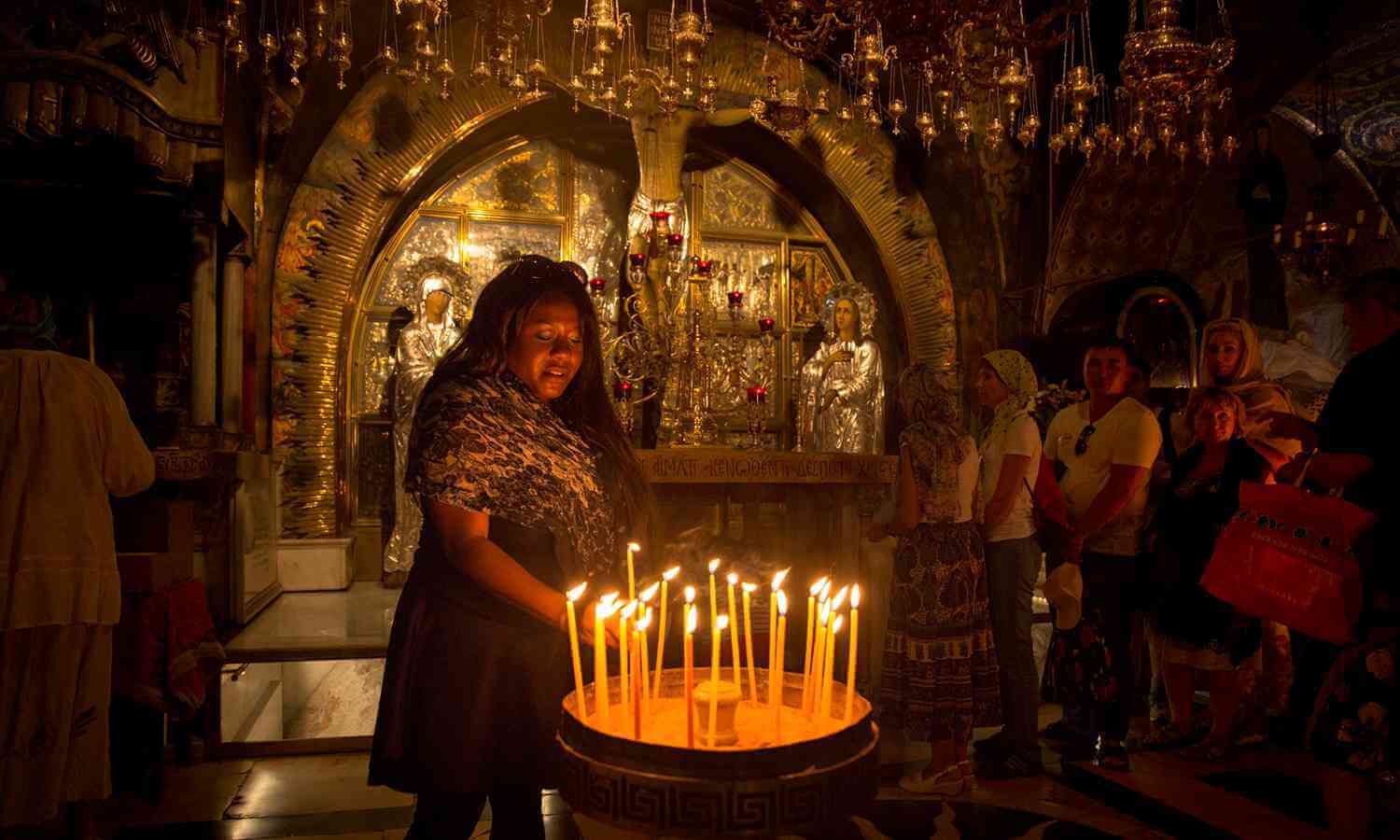
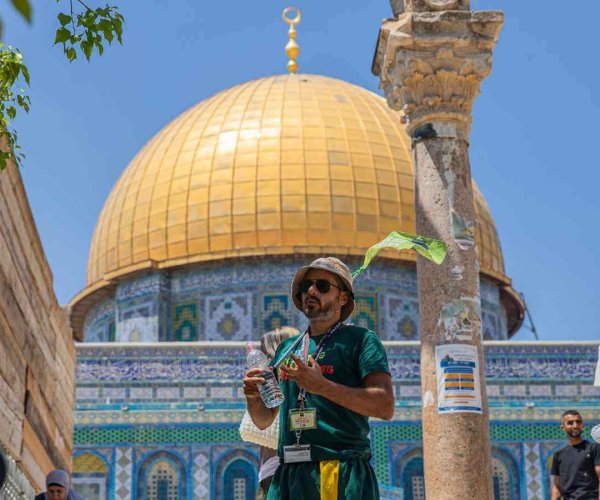
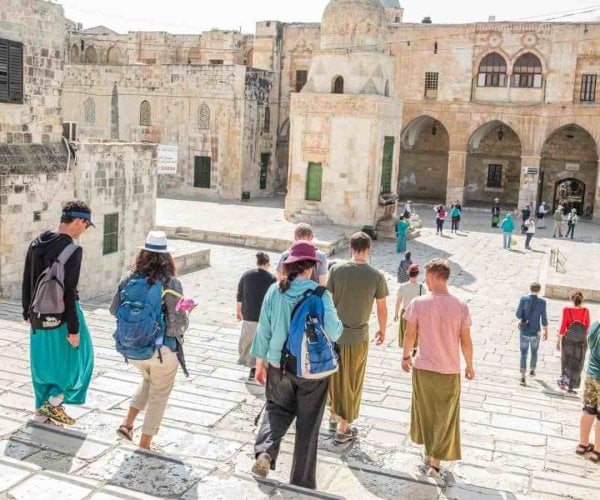
Jerusalem is compact in distance but dense in history. A single walk through the Old City can include the Western Wall, the Church of the Holy Sepulchre, the Via Dolorosa, busy markets and viewpoints over places sacred to several religions.
The city can be explored independently, but context makes a significant difference. A guided Jerusalem day tour from Tel Aviv or a Holy City tour can help first-time visitors understand the history, communities and religious traditions behind the sites.
Outside the Old City, visit Machane Yehuda Market, walk through central neighborhoods and experience how the city changes as Shabbat approaches. Dress respectfully at religious sites and check opening hours in advance.
Masada, Ein Gedi and the Dead Sea
These three destinations form one of the most rewarding day trips from Tel Aviv or Jerusalem.
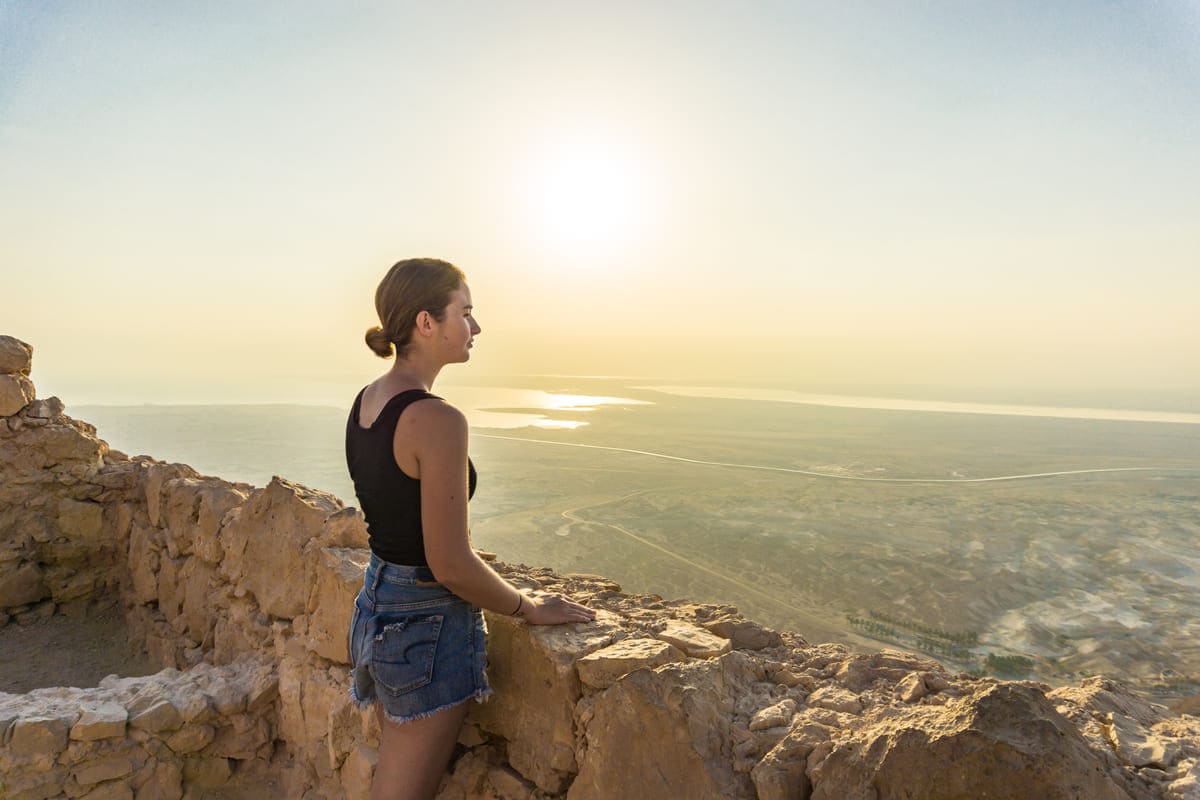
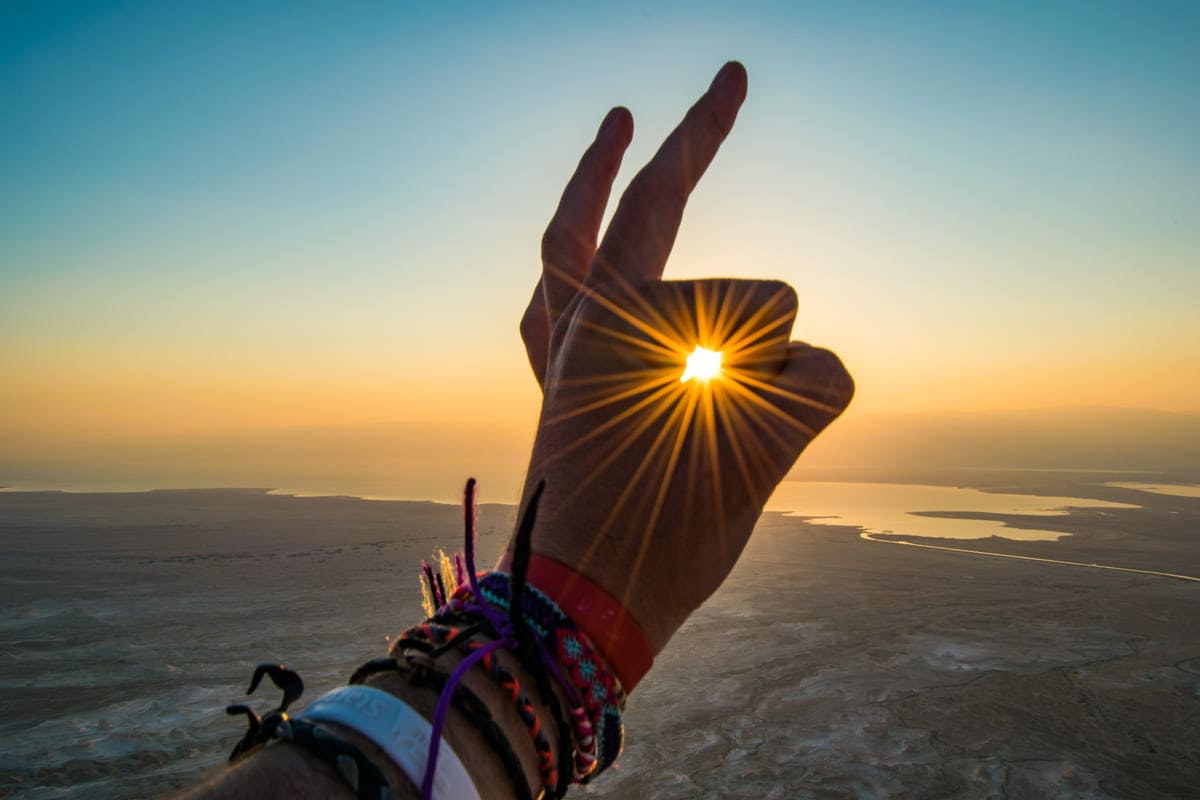
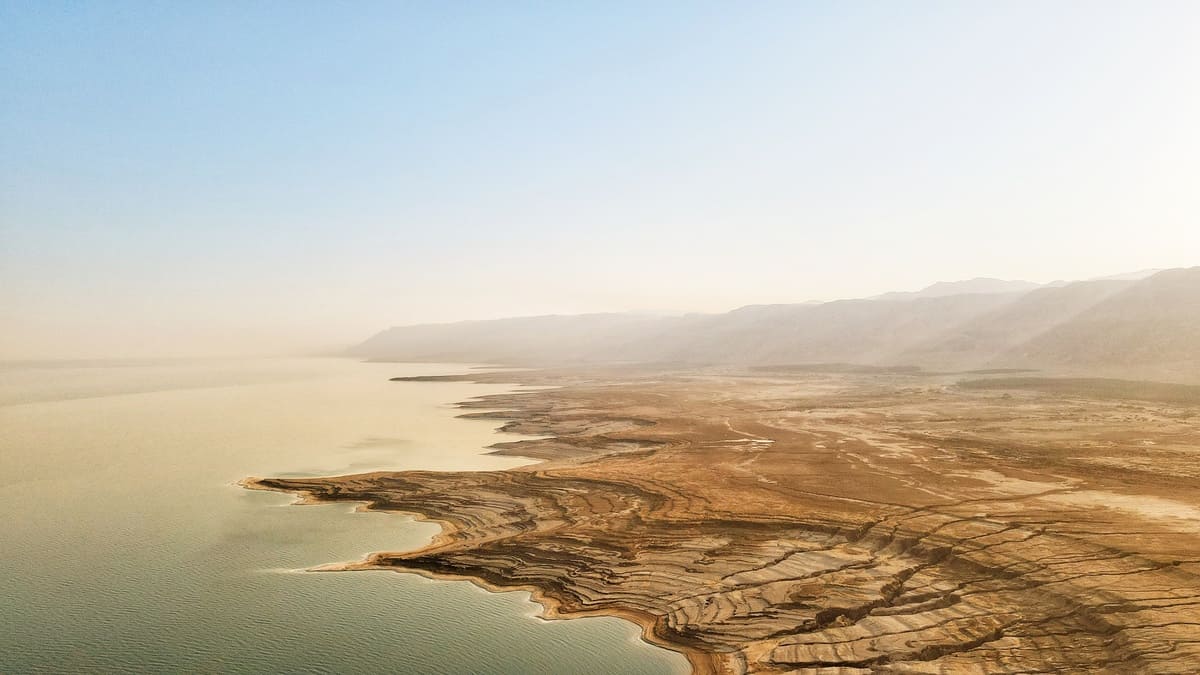
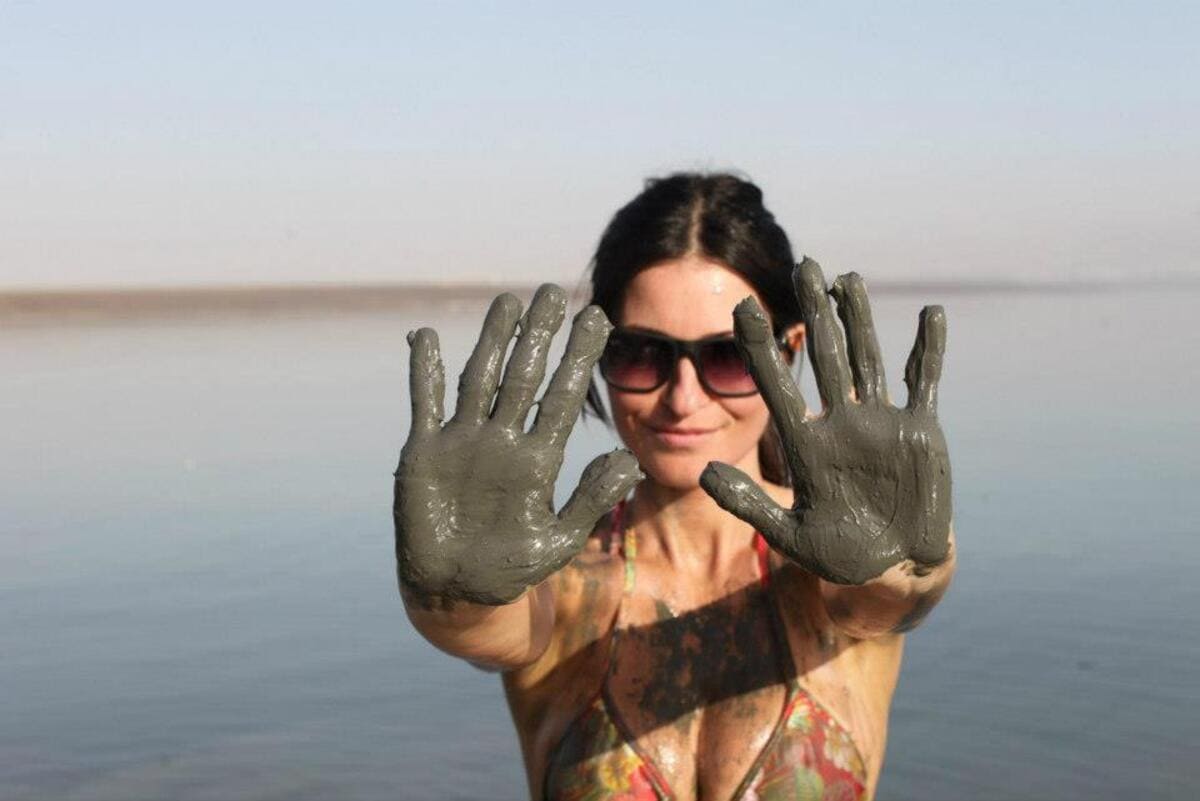
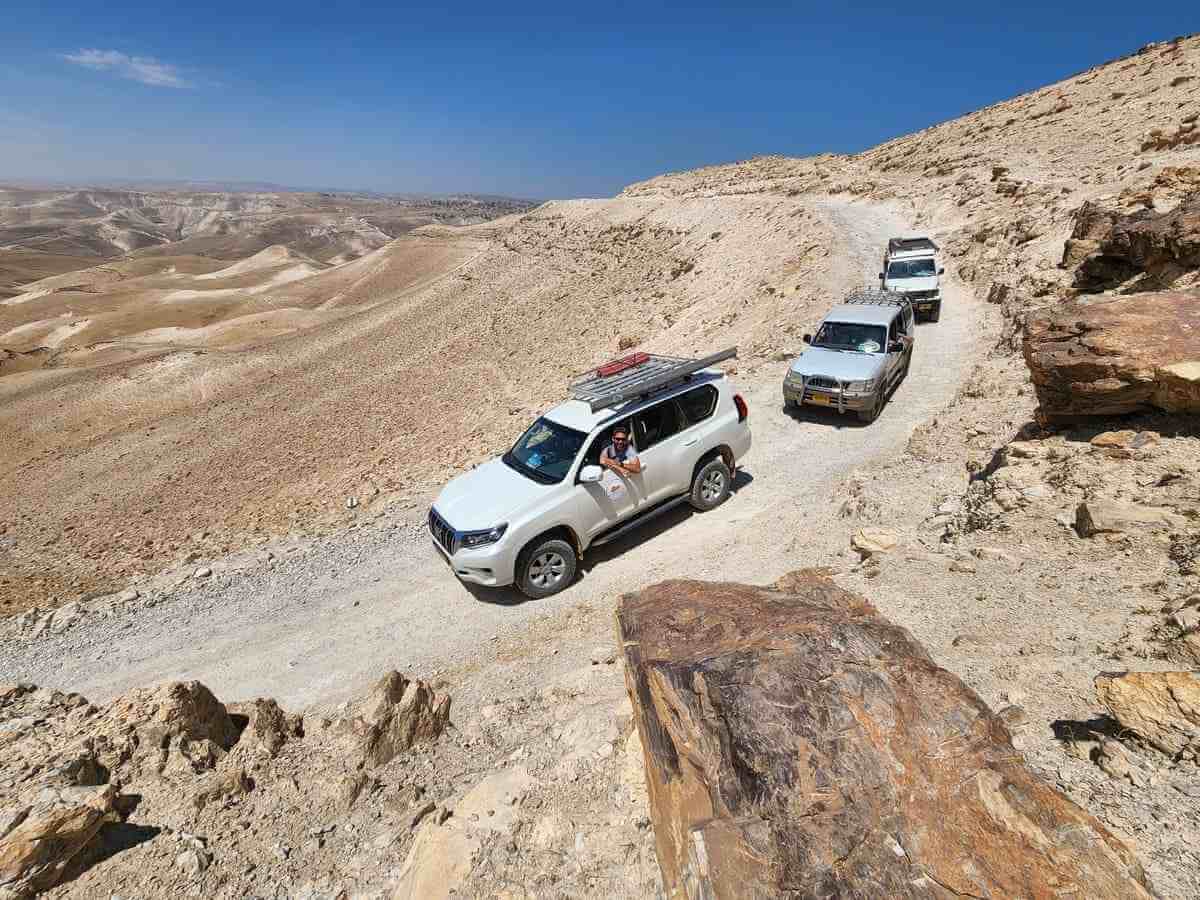
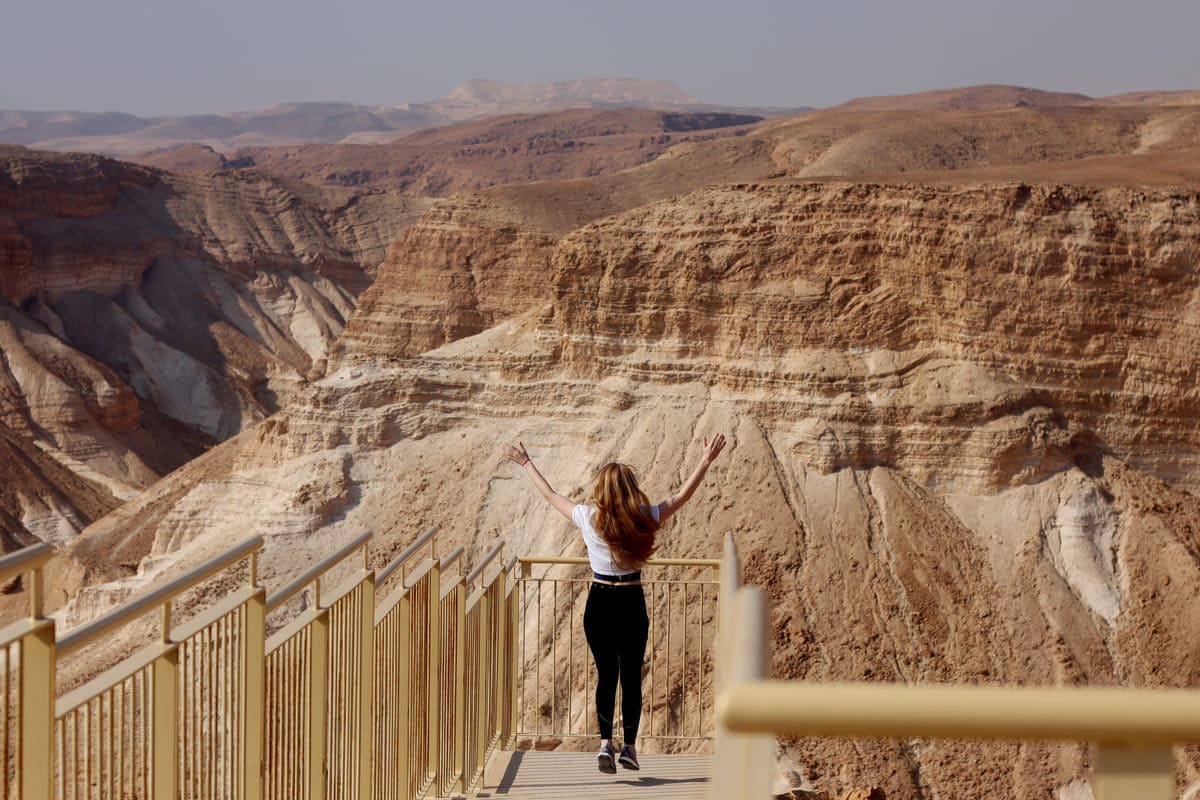
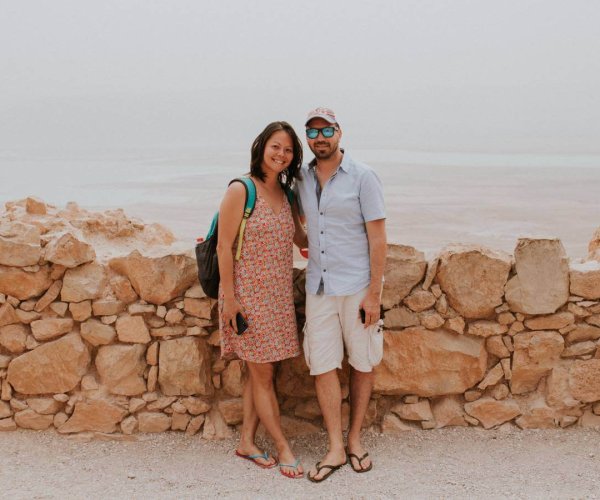
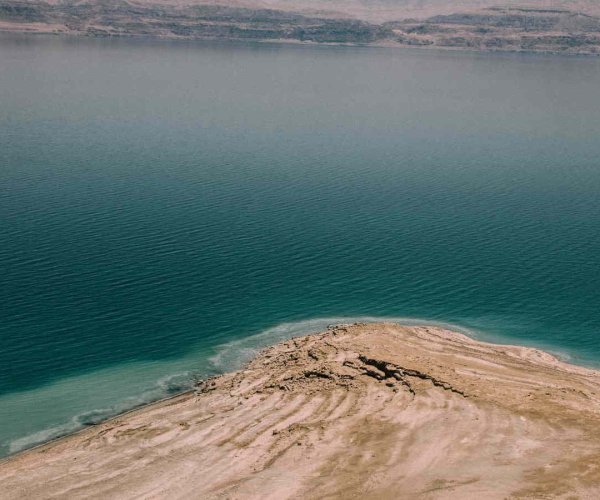
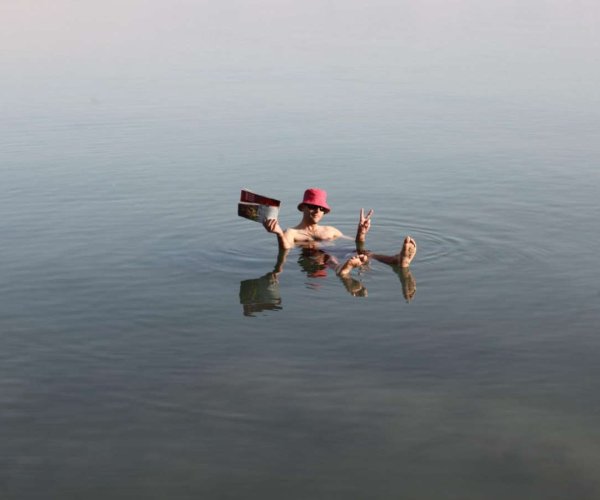
Masada combines desert views with an important archaeological site. Ein Gedi offers trails, springs and waterfalls, while the Dead Sea provides a completely different experience at the lowest land elevation on Earth.
Reaching all three independently in one day can be difficult, especially without a car. The Masada, Ein Gedi and Dead Sea tour from Tel Aviv includes transportation between the sites. A separate departure is available from Jerusalem.
Bring plenty of water, sun protection, comfortable shoes, swimwear and a towel. Check trail conditions before hiking, as desert heat and flash-flood warnings can affect access.
Nazareth and the Galilee
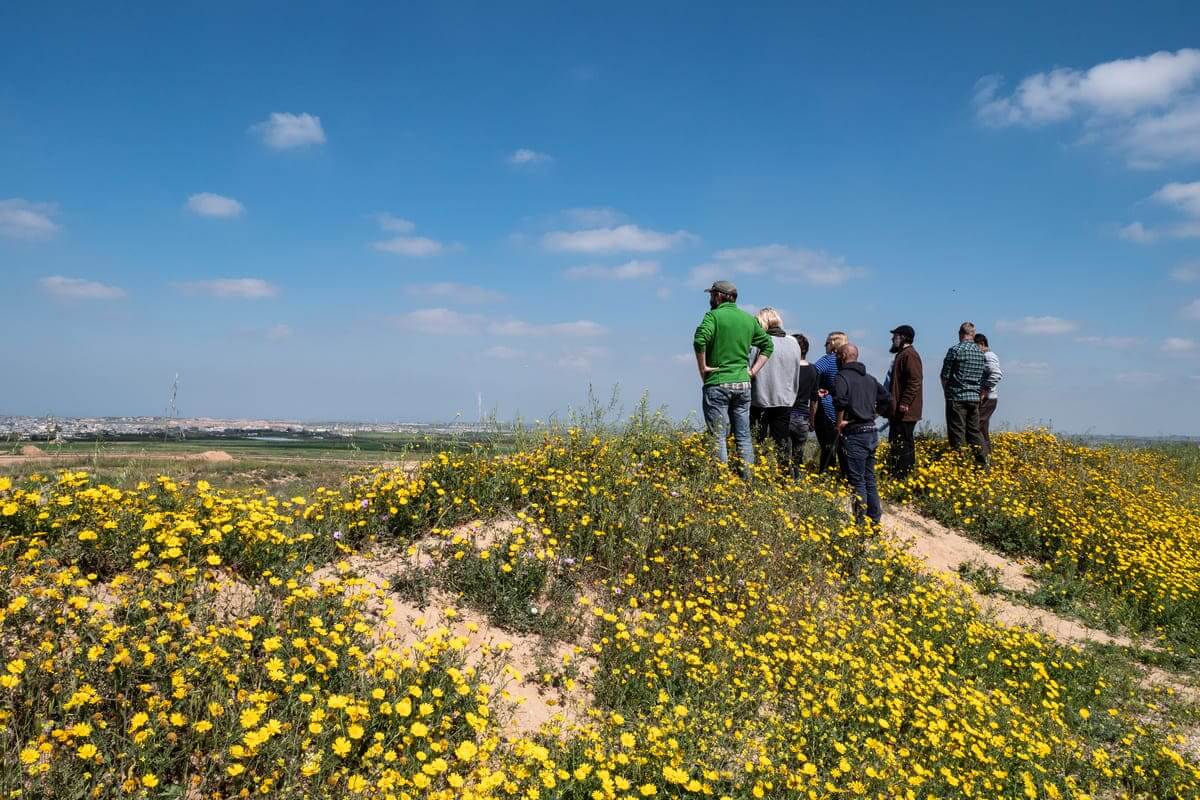
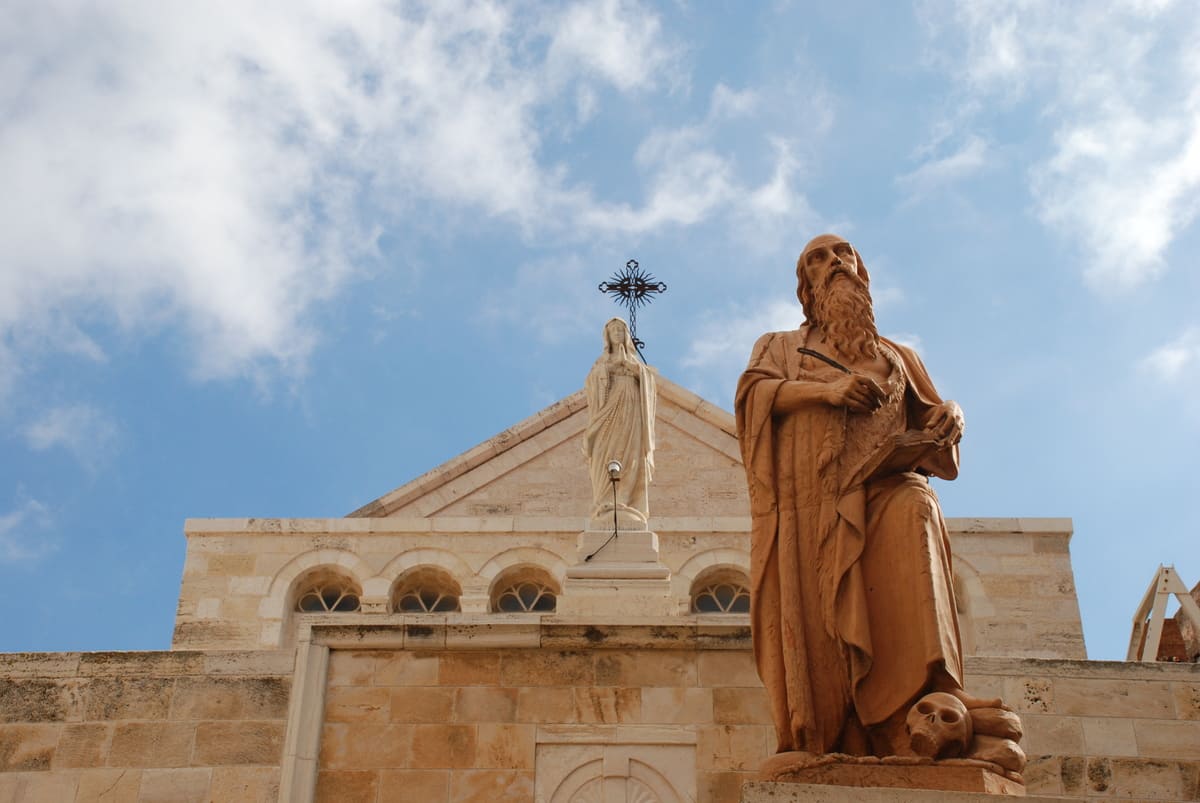
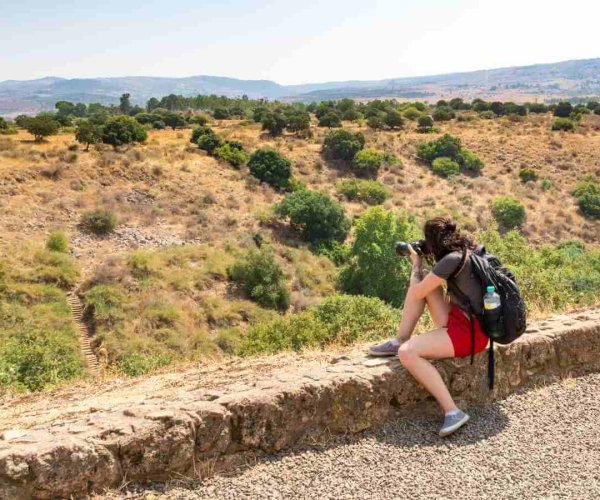
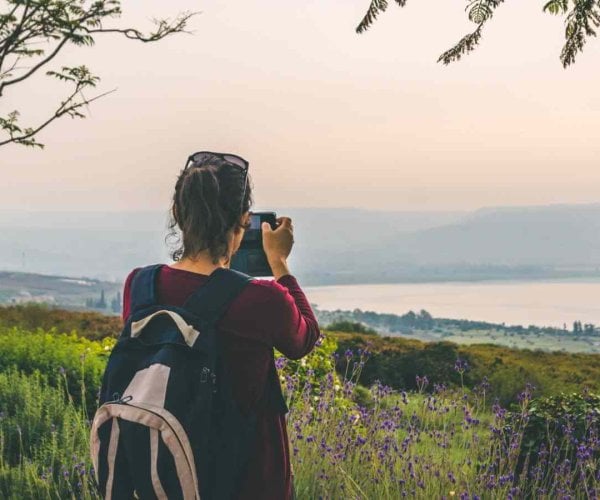
Northern Israel offers a slower pace and a different landscape. Nazareth is known for its Old City, markets, food and major Christian sites. The surrounding Galilee includes hills, villages, historical sites and the Sea of Galilee.
Transportation between individual attractions can take time, so travelers with a limited schedule may prefer a Galilee tour from Tel Aviv or another option from the current selection of Northern Israel tours.
Solo hikers can also consider sections of the Jesus Trail, but should research the route, weather, water points and accommodation carefully before setting out.
Eilat and the Southern Desert
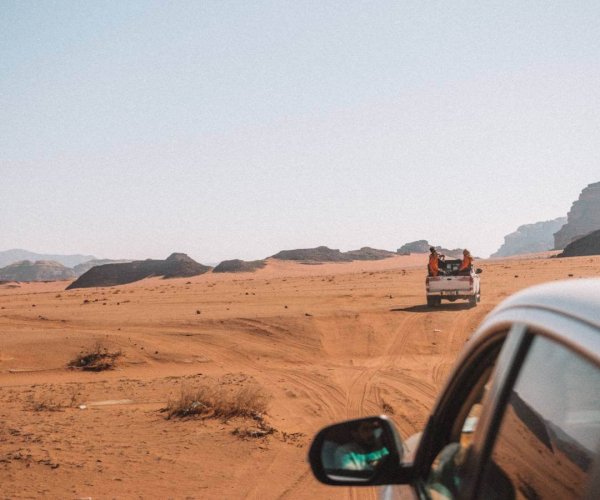
Eilat combines Red Sea beaches with desert scenery and a relaxed atmosphere. Spend time snorkeling or swimming, then explore the Eilat Mountains, Timna Park or the Red Canyon.
The city is a useful base for travelers who enjoy outdoor activities, and its hostels and group experiences make it relatively easy to meet people. Abraham Tours offers a selection of Eilat tours, including desert and water-based activities.
Summer temperatures can be extreme, so outdoor plans should be adjusted to the weather and official guidance.
Suggested One-Week Solo Israel Itinerary
This route combines independent city time with organized day trips:
Days 1–2: Tel Aviv and Jaffa
Explore the beach, Carmel Market, Rothschild Boulevard, Florentin and Jaffa. Join a walking, culinary or bike tour to meet other travelers.
Days 3–4: Jerusalem
Visit the Old City with a guide, then explore Machane Yehuda Market and central Jerusalem independently.
Day 5: Masada, Ein Gedi and the Dead Sea
Take a full-day tour from Jerusalem or Tel Aviv.
Days 6–7: Choose the north or south
Head north for Nazareth and the Galilee, or travel south to Eilat for beaches and desert landscapes.
Always adapt the route to current security guidance, transportation availability and the season.
Traveling with Awareness
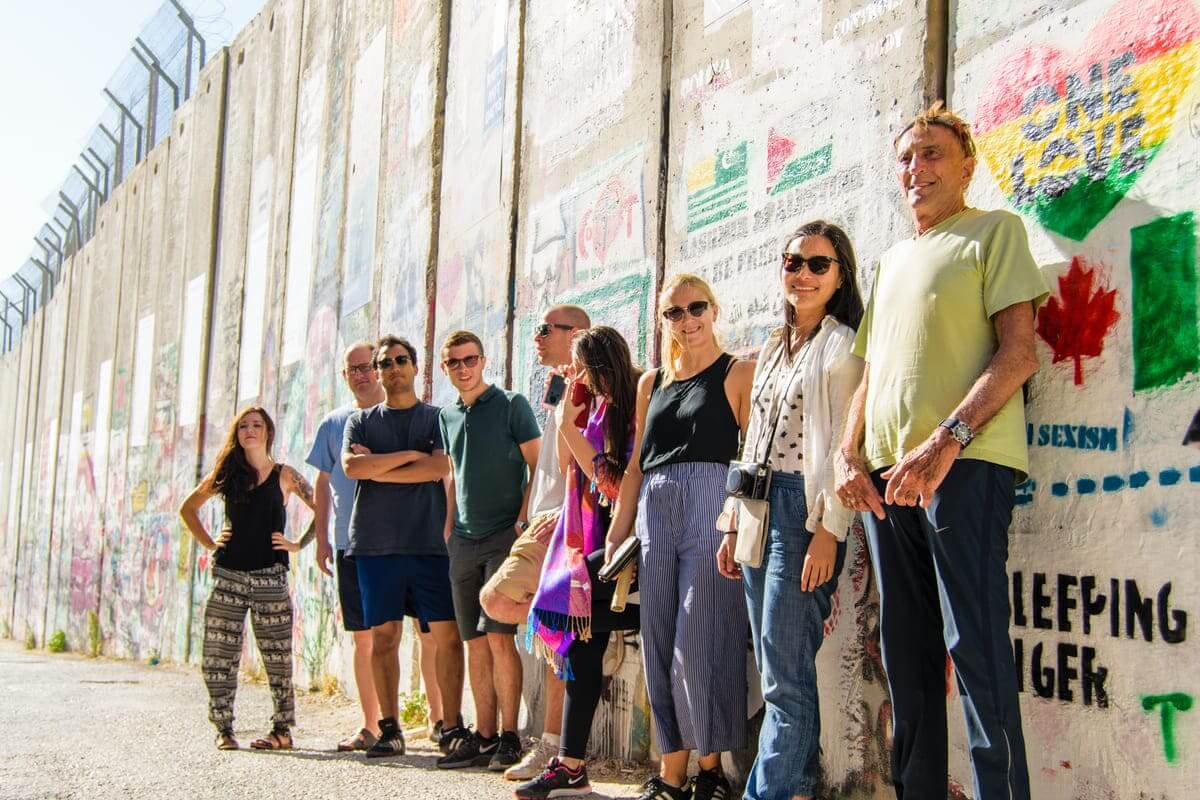
Traveling in Israel also means visiting a region shaped by an ongoing conflict and a complex political reality. Israeli and Palestinian communities have different experiences and perspectives, and no short travel guide can represent them all. Approach conversations with curiosity and respect, avoid making assumptions, and consider experiences led by local guides who can provide context from the communities being visited.








 The selected tours will be reserved for you for 30 minutes. If you do not complete the reservation, after 30 minutes, the tours will be released for purchase by others.