

 TEL AVIV



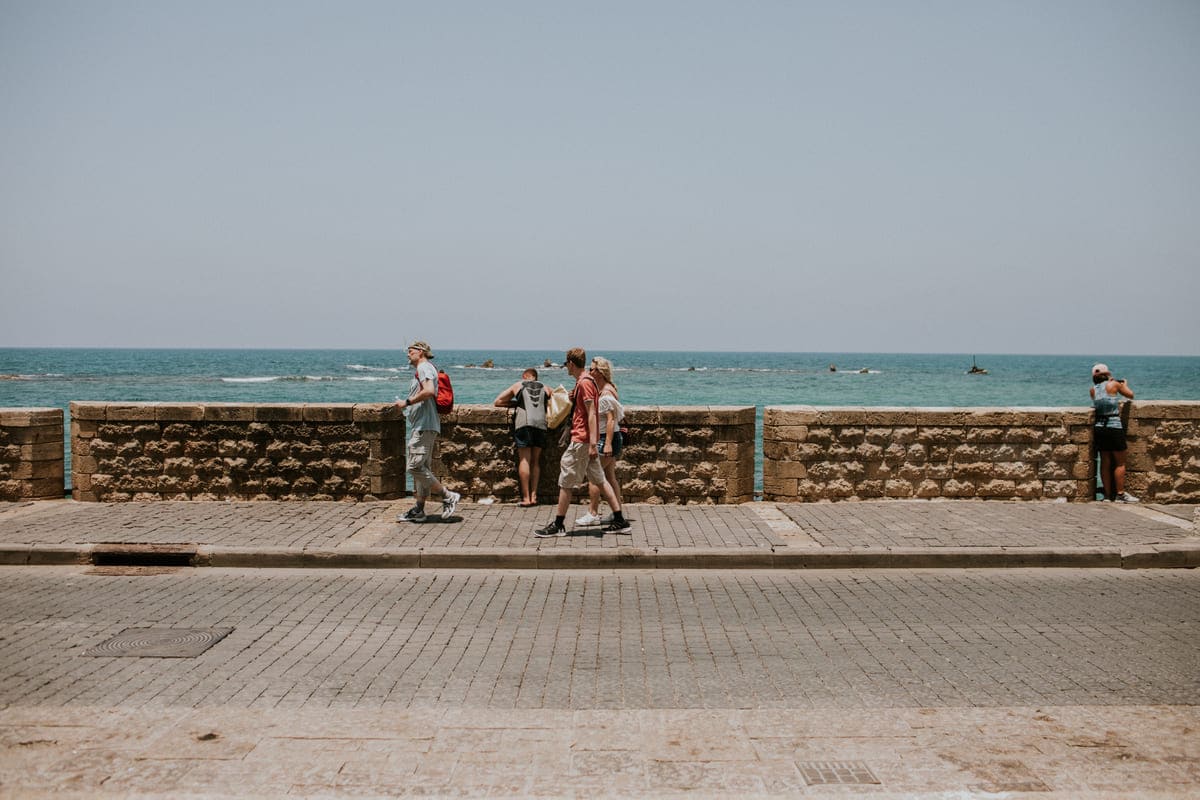











With a fleet of sleek, modern, air-conditioned buses (many electrical) clean, spacious trains, and the Light Rail, you can zip across much of the country without bother, often dodging traffic jams too. Oh, and most forms of transport have WIFI and charging outlets for on-the-go surfing and battery recharges.
As more accessible options become available, reaching major towns and cities is relatively hassle-free. Yes, even for tourists with little to no Hebrew. Most forms of transport have English schedules and announcements to keep you on track.
Before we jump into Israel’s most reliable forms of transport, a quick word on how to pay and navigate your way around.
How To Pay & Navigate
Like many countries worldwide, Israel’s transport ticketing has stepped up its digital game—with a few exceptions of the Sherut and an optional station ticketing system for Light Rail tickets. The main form of payment is via a Rav Kav card, which is physically available in many kiosks, service stations, and other locations across Israel and can even be topped up from your phone! Alternatively, popular navigational apps like Moovit (which partners with payment system Pango) and HopOn Rav Kav can be downloaded for free and used for digital payment across the bus, train, and light rail. A one-way ticket costs about $1.65 and you can transfer between buses in a city for free within a 90-minute time frame.
Alongside Moovit and HopOn, Google Maps is also a reliable tool for navigating Israel’s transportation system. You can also visit individual sites for bus, light rail, and train schedules and maps.
Bus
Israel’s well-developed bus system has become more efficient in recent years and is a cheap option for visitors to navigate within and between cities and towns. This massive fleet boasts thousands of routes and an improved schedule in recent years for reliable transport. On the environmental front, the country is doing its part to combat carbon emissions with an ambitious plan to reach its 60% target of urban buses to be electric by 2026 and the remainder by 2035.
There are a few main bus companies, like Egged and Dan. Many tourist destinations are accessible via bus from central bus station hubs, Tel Aviv being one of the busiest.
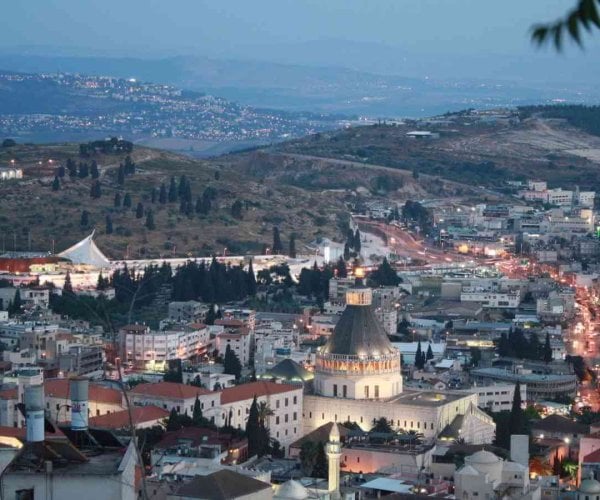
Frequent buses (every 10-20 minutes) run directly between Tel Aviv and Jerusalem—around a 45-minute ride without traffic and for less than $8.50 for a return ticket. Must-see cities like Haifa in the north and Eilat in the south are also easily reachable, as is Nazareth, just a two-hour ride from Tel Aviv.
Light Rail
Jerusalem’s Light Rail, a modern-day tram, began operation in 2011. Environmentally friendly, efficient (every six minutes), and cost-effective, it’s a go-to form of public transport for all types of commuters. It currently runs on the Red Line, connecting Mount Herlz to Heil Ha-Avir along 23 stops and almost 14km. Works are underway to extend the red line shortly as well as two additional lines – the Green and Blue, which will extensively increase the light rail’s reach throughout many pockets of the city.
In Tel Aviv, anticipation was bubbling for the launch of Dankal, the city’s new light rail. Following over a decade of construction, the ribbon on this essential mode of transport was cut in late 2023 and the first line began operation to much applause. Over time, this state-of-the-art, electrical transportation option will connect the Metropolitan regions in and around Tel Aviv with fast travel times. The first line launched is the Red Line, stretching 24km and reaching 34 stations connecting Ha’Komemiyut in Bat Yan to Petah Tikvah’s central station. Twelve stations pass through Tel Aviv in easy reach of the city’s numerous iconic sites.
All stations are accessible and simple to navigate, with signs and directions in three languages: Hebrew, Arabic, and English. The rail is generally operational Sunday to Thursday between 5.40 am and 11.30 pm. Due to the Sabbath, weekend hours are 5.40am to 16.50pm on Friday and Saturday night between 9.30pm and 11.30pm.
Train
Israel Railways is the country’s national operator, with many of its routes running parallel to stunning coastal regions along the Mediterranean. The train system is nothing new. With the Jaffa – Jerusalem line, under Ottoman rule, railroad activity was already in motion towards the end of the 19th century.
Today, this contemporary network operates 69 stations with 600 or more trains in daily operation. And, as part of a large-scale environmental project, the railway is making steadfast progress on its electrification goal, expected to be completed by 2030.
The train is the quickest way to reach cities from Ben Gurion Airport, as well as jaunting between Tel Aviv and Jerusalem—a long-awaited route that launched in late 2019, connecting thousands of daily commuters and visitors between the two cities in as little as 22 minutes.
For getting around, train routes can be accessed through the Israel Railways app or other navigation options. From Be’er Sheva in the south, along Asdod, Bat Yam, Tel Aviv, Herzliya, and Netanya, the train extends through Haifa and to Akko and Nahariya at the tip of the country. The red line swerves to the Sharon region passing through local neighborhoods, while multiple lines branch off to Jerusalem.
How To Reach Iconic Locations
While much of Israel’s splendor is reachable via public transport, there are a handful of hard-to-reach locations and sites that require a bus switch or partial taxi ride along the way.
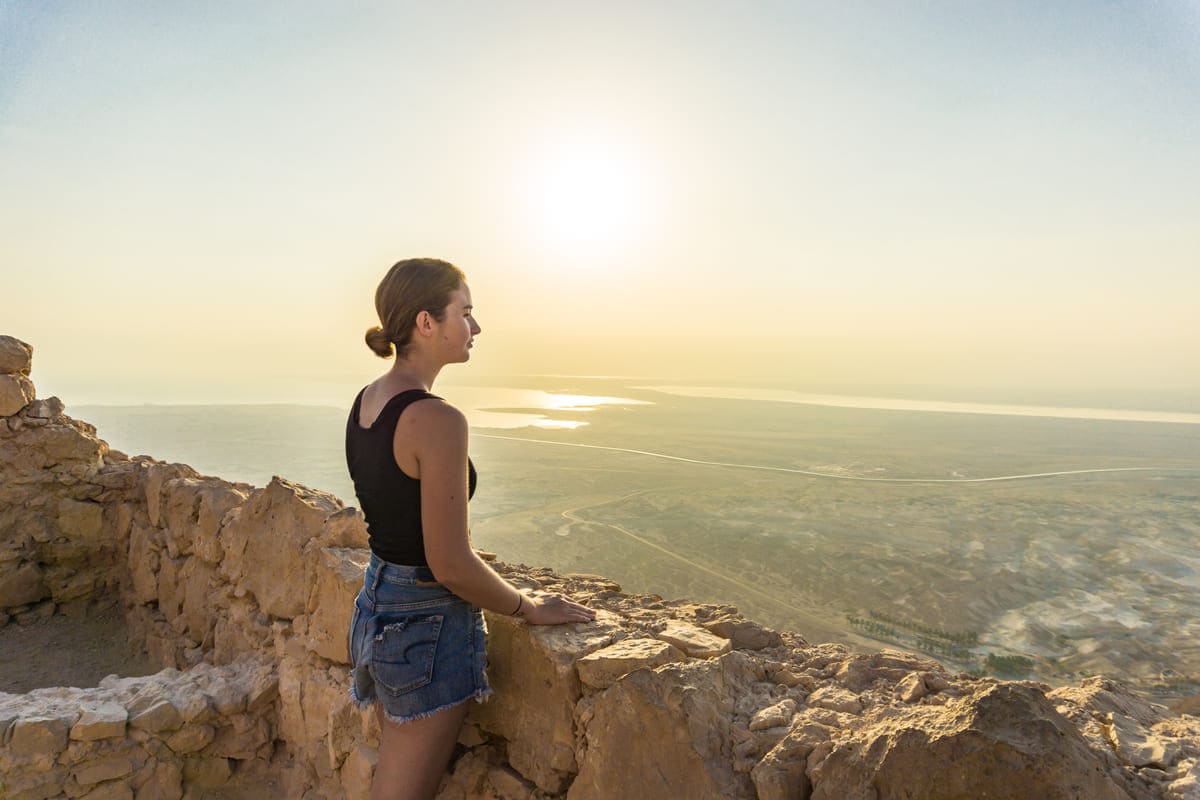
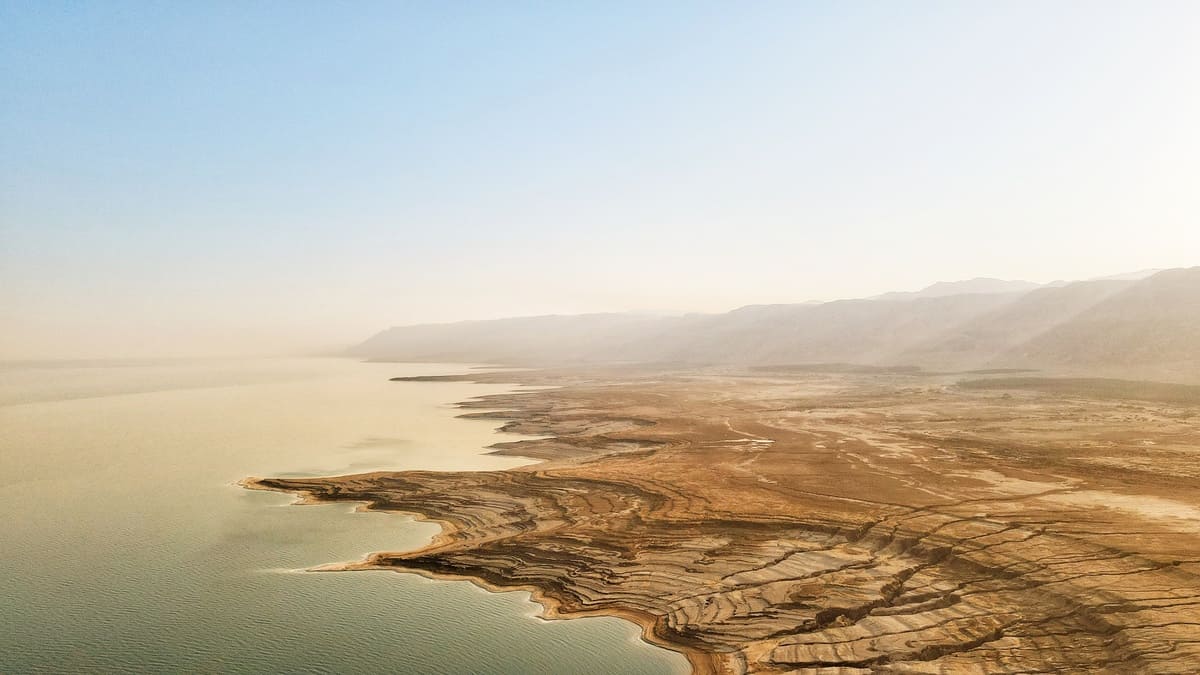
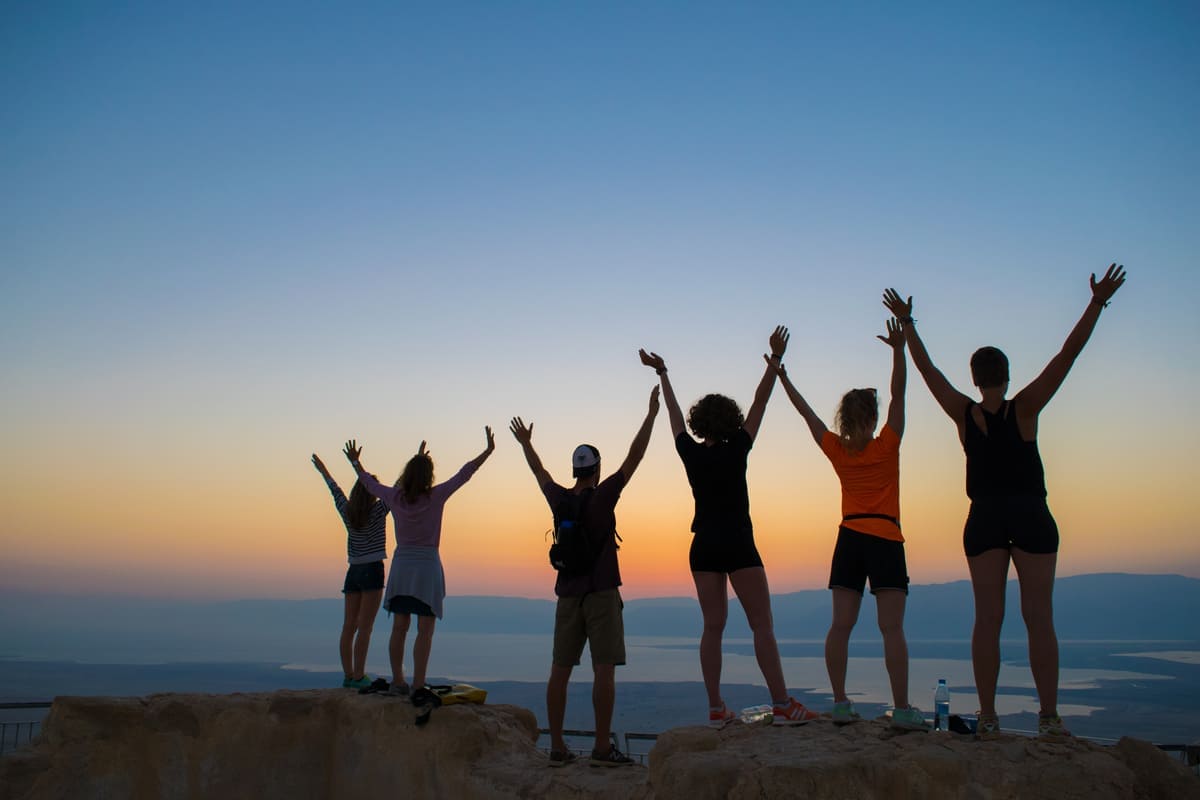
A tour is an easy way to eliminate the hassle. And Abraham has plenty on tap! For example, Abraham’s top-rated Masada Sunrise, Ein Gedi and Dead Sea tours include door-to-door transportation to some of the most iconic sites you’ll set eyes on. First, you are whisked to the historical Masada, a 2,000-year-old ancient Herodian fortress that symbolizes the strength and bravery of the Great Revolt against the Romans. This iconic site is a must-visit for first-timers to Israel.
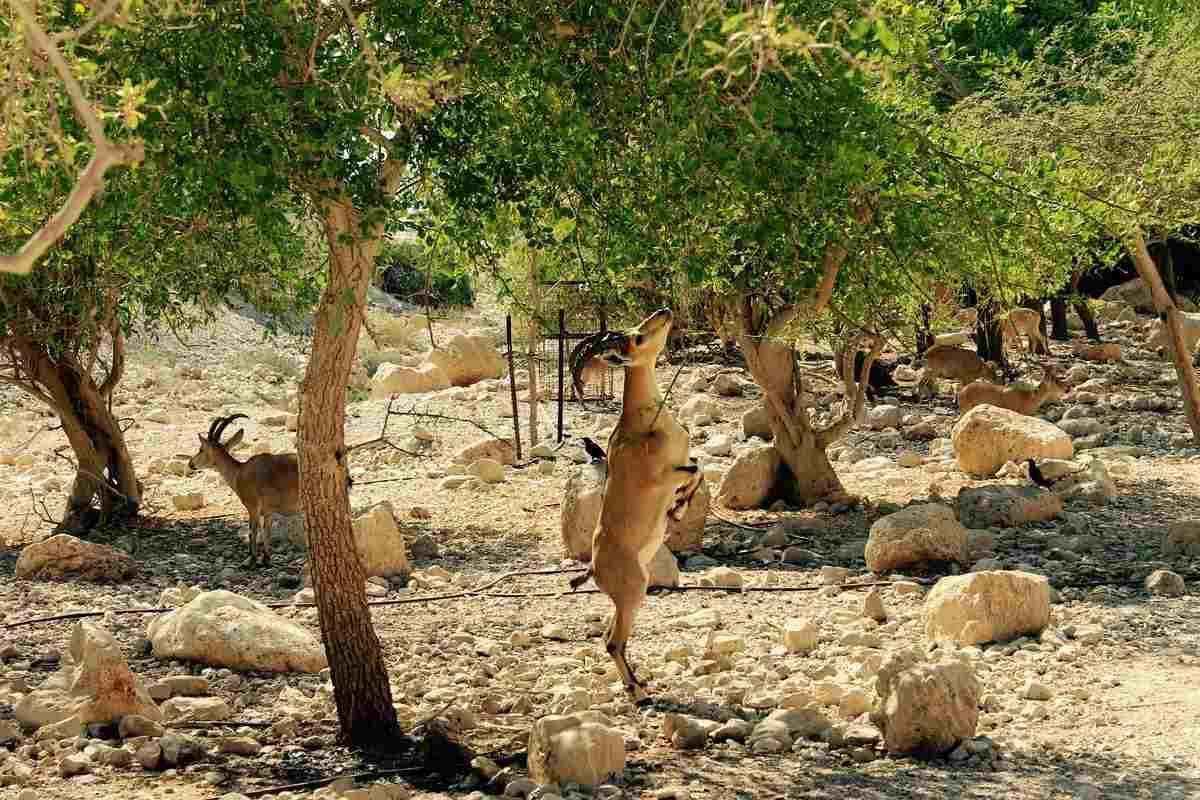
Ein Gedi, a mesmerizing oasis within the arid Judean Desert—a slice of rejuvenating nature and tranquility—is the second location on the tour. There, you’ll have time to explore bountiful waterfalls and get a peak at the majestic desert life including the breathtaking Nubian ibex.
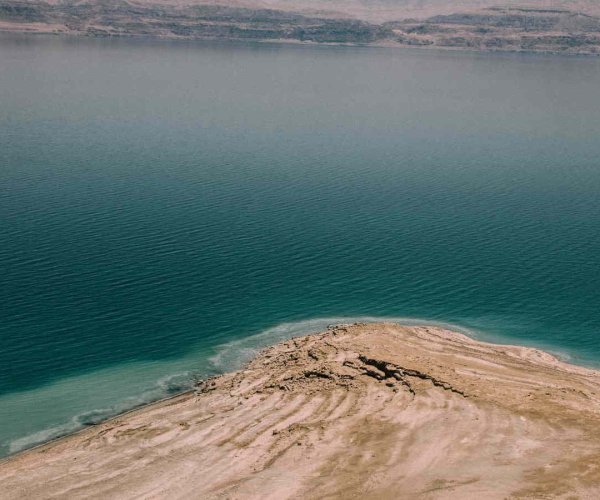
Finish the day with a float in the salty and mineral-rich Dead Sea waters to cool off from the enveloping desert warmth.











 The selected tours will be reserved for you for 30 minutes. If you do not complete the reservation, after 30 minutes, the tours will be released for purchase by others.